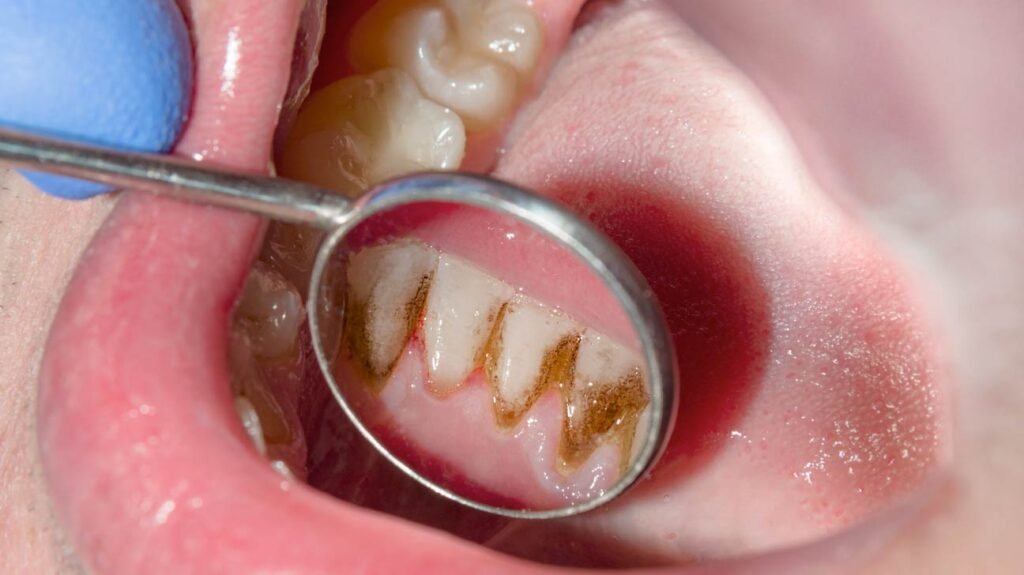
Explore natural remedies and expert advice to boost your gum health and keep your teeth in top condition for years to come.

How to Tackle Bad Breath Caused by Acid Reflux Naturally

How to Tackle Bad Breath Caused by Acid Reflux Naturally

Conquering Bad Breath Naturally: A Holistic Approach to Acid Reflux

Dealing with bad breath, or halitosis, is embarrassing and can significantly impact your confidence. When this unpleasant symptom is linked to acid reflux (GERD), the challenge becomes even greater, as the underlying condition needs addressing alongside the immediate symptom. This article explores natural strategies to tackle bad breath stemming from acid reflux, empowering you to regain fresh breath and improved well-being.

Understanding the Acid Reflux-Bad Breath Connection

Acid reflux occurs when stomach acid flows back up into the esophagus. This acidic environment irritates the delicate lining of the esophagus, and frequently, the back of the throat. The resulting inflammation creates a breeding ground for bacteria, leading to a foul odor. Furthermore, undigested food particles can also become trapped in the esophagus or mouth, contributing to the halitosis. This isn't simply a matter of brushing your teeth; it's a systemic issue requiring a multi-pronged approach.

Natural Remedies to Combat Bad Breath Caused by Acid Reflux

Dietary Adjustments: The Foundation of Relief

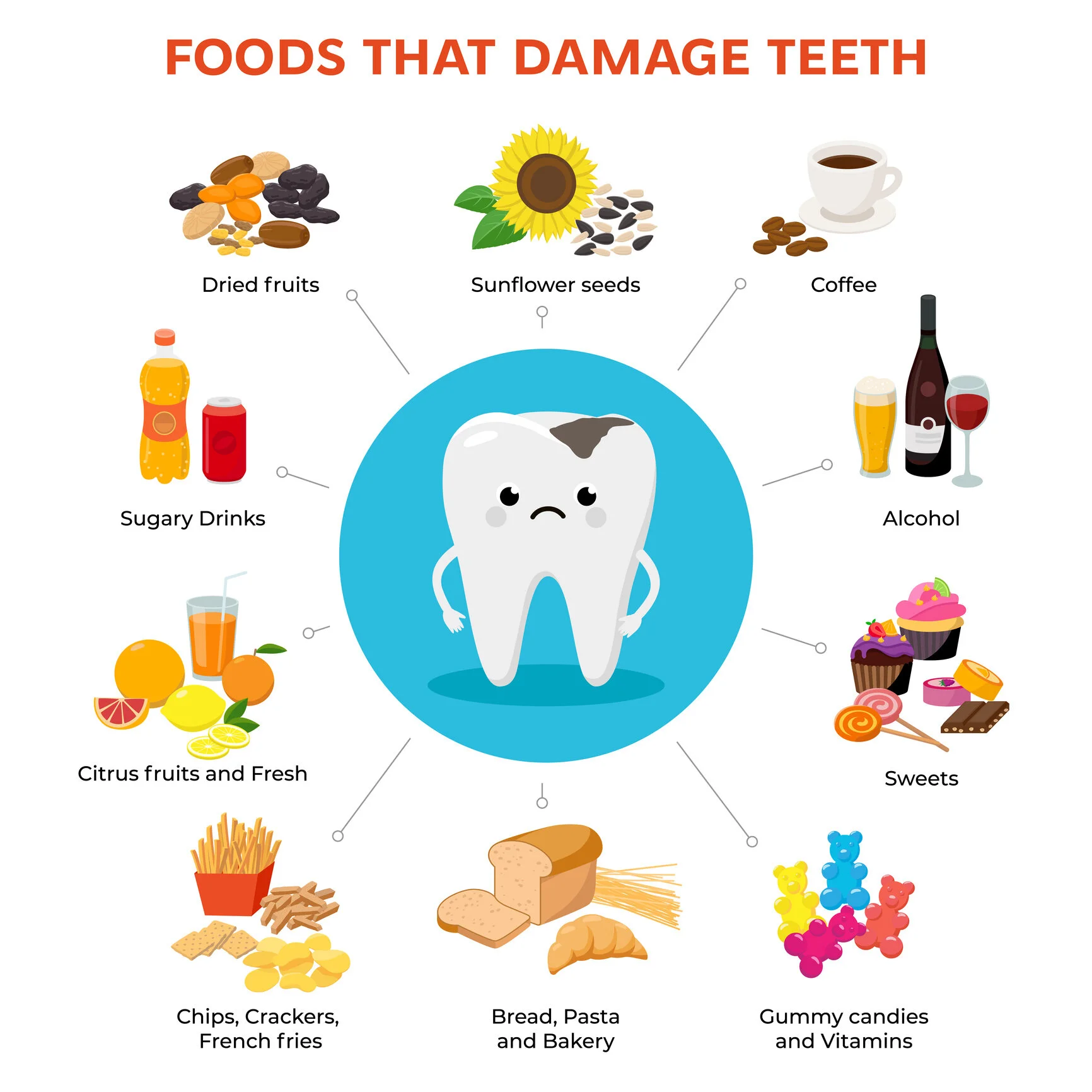
Diet plays a crucial role in managing acid reflux and, consequently, bad breath. Identify and eliminate trigger foods that worsen your symptoms. Common culprits include fatty foods, processed meats, caffeine, alcohol, chocolate, citrus fruits, and spicy foods. Instead, focus on incorporating a diet rich in nutrient-dense foods that promote healthy digestion. This includes lean proteins, whole grains, fruits (low-acid options like berries), and plenty of vegetables. Small, frequent meals can also be gentler on your digestive system than three large meals a day.

Hydration is Key: The Power of Water

Drinking plenty of water throughout the day is essential for several reasons. Firstly, it helps neutralize stomach acid and dilute the acidic content that might reflux into your mouth. Secondly, adequate hydration keeps your saliva production high. Saliva acts as a natural mouthwash, washing away food particles and neutralizing acids, helping to prevent bacterial buildup.

Herbal Remedies: Nature's Helpers

Certain herbs possess properties that can aid digestion and reduce acid reflux symptoms. Ginger, known for its anti-inflammatory effects, can help soothe the irritated esophageal lining. Chamomile tea, with its calming properties, can ease digestive upset and promote relaxation. Licorice root (in moderation) can help coat and protect the lining of the esophagus. Always consult with your healthcare provider before using herbal remedies, especially if you are taking other medications.

Lifestyle Changes for Lasting Relief

Making simple lifestyle modifications can significantly impact your acid reflux and bad breath. These include:

  • Elevating your head while sleeping to prevent stomach acid from refluxing.
  • Avoiding lying down immediately after eating.
  • Managing stress through techniques like yoga, meditation, or deep breathing exercises, as stress can exacerbate acid reflux.
  • Quitting smoking, as smoking weakens the lower esophageal sphincter, increasing the likelihood of reflux.
  • Maintaining a healthy weight to reduce pressure on the stomach.

When to Seek Professional Help

While these natural remedies can be effective, it's crucial to remember that they are not a replacement for professional medical advice. If your bad breath persists despite adopting these strategies, or if you experience severe acid reflux symptoms like chest pain, difficulty swallowing, or persistent vomiting, seek immediate medical attention. A doctor can diagnose the underlying cause and recommend appropriate treatment, potentially including medication.

Tackling bad breath caused by acid reflux requires a holistic approach, combining dietary changes, lifestyle modifications, and potentially herbal remedies. By taking proactive steps, you can effectively manage your condition and reclaim fresh, confident breath.

Share:

How to Keep Your Gums Healthy and Prevent Disease with Home Care

How to Keep Your Gums Healthy and Prevent Disease with Home Care

Keeping Your Gums Happy: A Guide to Healthy Home Care

Hey everyone! Let's talk about something super important but often overlooked: gum health. We all know brushing our teeth is crucial, but healthy gums are just as vital for a bright, confident smile and overall well-being. Gum disease, if left untreated, can lead to some serious problems, so let's dive into how you can keep those gums happy and healthy from the comfort of your own bathroom!

Understanding the Importance of Gum Health

Your gums are the foundation of your smile. They support your teeth, and when they're not healthy, you're setting yourself up for trouble. Think of it like this: your teeth are the bricks in a house, and your gums are the mortar holding them together. If the mortar crumbles, the whole structure is at risk! Gum disease, also known as periodontal disease, is an infection that affects the gums and the bone supporting your teeth. It can lead to:

  • Tooth loss: The most serious consequence.
  • Bad breath: Persistent bad breath is often a sign of gum problems.
  • Receding gums: Your gums pull away from your teeth, exposing more of the tooth root and making them sensitive.
  • Loose teeth: The bone supporting your teeth deteriorates, making them loose.
  • Increased risk of other health problems: Studies have linked gum disease to heart disease, diabetes, and even respiratory illnesses.

Scary, right? But the good news is that you have a lot of control over your gum health. With proper home care, you can significantly reduce your risk of developing gum disease.

Mastering the Art of Brushing and Flossing

Okay, so we all know we *should* brush and floss, but are we doing it *right*? Let's break down the best practices:

Brushing like a Pro

Aim for brushing twice a day for two minutes each time. Use a soft-bristled toothbrush – those hard bristles can actually damage your gums! Angle your brush at a 45-degree angle to your gum line and use gentle, short back-and-forth strokes. Don't scrub aggressively; you want to gently clean the plaque and food particles away, not injure your gums.

Consider an electric toothbrush. Many find them easier to use and more effective at removing plaque. Just make sure to use a soft brush head and gentle pressure.

Flossing: Your Gums' Best Friend

Flossing is just as, if not more, important than brushing! Brushing only cleans about 60% of your tooth surfaces; flossing cleans the other 40% in between your teeth where your toothbrush can't reach. Use about 18 inches of floss, wrap it around your middle fingers, and gently guide it between your teeth using a back-and-forth motion. Curve the floss around each tooth in a "C" shape and slide it up and down along the gumline. Don't snap the floss down into your gums!

Beyond Brushing and Flossing: Additional Tips for Gum Health

While brushing and flossing are the cornerstones of good gum health, there are other things you can do to boost your gum's well-being:

Choose the Right Toothpaste

Look for a toothpaste that contains fluoride to strengthen your enamel and fight cavities. Some toothpastes also contain ingredients that help reduce plaque and gingivitis (early stage gum disease). Consider a toothpaste specifically formulated for sensitive gums if you experience discomfort.

Rinse Wisely

Mouthwash can be a helpful addition to your oral hygiene routine. An antimicrobial mouthwash can help kill bacteria and reduce plaque. However, don't rely on mouthwash as a substitute for brushing and flossing – it's a supplement, not a replacement!

Diet Matters!

Believe it or not, your diet plays a significant role in your gum health. A diet rich in fruits, vegetables, and whole grains provides the nutrients your body needs to fight off infection. Limit sugary drinks and snacks, as they feed the bacteria that contribute to gum disease.

Stay Hydrated

Drinking plenty of water helps wash away food particles and bacteria from your mouth throughout the day. Aim for at least eight glasses of water daily.

Regular Dental Checkups

Even with diligent home care, regular visits to your dentist are crucial. Your dentist can identify and address problems early on, before they become serious. They can also perform professional cleanings to remove plaque and tartar that you can't reach at home.

Recognizing the Signs of Gum Disease

Early detection is key when it comes to gum disease. Be aware of these warning signs:

  • Red, swollen, or tender gums: This is often the first sign of gingivitis.
  • Bleeding gums: Bleeding while brushing or flossing is a common sign of gum inflammation.
  • Persistent bad breath: Bad breath that doesn't go away despite brushing and flossing can be a sign of infection.
  • Receding gums: Your gums pull away from your teeth, exposing more of the tooth root.
  • Loose teeth: This indicates advanced gum disease.
  • Pus between your teeth and gums: A clear sign of infection.

If you notice any of these symptoms, see your dentist immediately. Early treatment can often prevent more serious problems.

Frequently Asked Questions

Q: How often should I replace my toothbrush?

A: It's generally recommended to replace your toothbrush every 3-4 months, or sooner if the bristles are frayed.

Q: Is it okay to use mouthwash every day?

A: While mouthwash can be beneficial, it shouldn't replace brushing and flossing. Follow the instructions on your mouthwash bottle, as overuse can sometimes irritate your mouth.

Q: What if I have sensitive gums?

A: Use a soft-bristled toothbrush and gentle brushing techniques. Consider a toothpaste designed for sensitive gums. See your dentist if the sensitivity persists.

Q: Can gum disease be reversed?

A: In the early stages (gingivitis), gum disease is often reversible with improved home care and professional cleanings. However, more advanced gum disease may require more extensive treatment.

Q: How can I make flossing easier?

A: Try different types of floss (waxed, unwaxed, tape floss) to find one that works best for you. You can also use floss picks for easier handling.

Taking care of your gums is a lifelong commitment, but it doesn't have to be a chore! By following these simple steps, you can keep your gums healthy and your smile bright for years to come. Remember, your gums are just as important as your teeth – treat them with the care they deserve!

Share:

How Natural Supplements Improve Oral Health by Controlling Oral Bacteria

How Natural Supplements Improve Oral Health by Controlling Oral Bacteria

Natural Supplements and Their Impact on Oral Health Through Bacterial Control

Maintaining optimal oral health is paramount for overall well-being. While conventional dental practices play a crucial role, the exploration of natural supplements offers a promising avenue for enhancing oral hygiene and combating the detrimental effects of oral bacteria. This article delves into the mechanisms by which various natural supplements contribute to improved oral health by effectively controlling the bacterial populations within the oral cavity.

The Role of Oral Bacteria in Oral Diseases

The oral cavity harbors a complex ecosystem of microorganisms, including bacteria, fungi, and viruses. While many of these microorganisms are commensal, meaning they coexist peacefully with the host, an imbalance in this delicate ecosystem, often termed dysbiosis, can lead to the development of various oral diseases. Oral dysbiosis is characterized by an overgrowth of pathogenic bacteria, which can contribute to a range of conditions, including:

  • Dental caries (tooth decay): Caused primarily by Streptococcus mutans and other acidogenic bacteria that produce acids that erode tooth enamel.
  • Gingivitis and periodontitis: Inflammatory diseases affecting the gums and supporting tissues of the teeth, driven by the accumulation of bacterial biofilm (plaque).
  • Halitosis (bad breath): Often a result of the volatile sulfur compounds produced by anaerobic bacteria in the oral cavity.
  • Oral candidiasis (thrush): A fungal infection caused by Candida albicans, often exacerbated by an imbalance in oral microbiota.

Effective oral health management requires strategies to control the growth of these pathogenic bacteria while promoting the beneficial bacteria within the oral microbiome.

Natural Supplements for Oral Bacterial Control

Numerous natural supplements have demonstrated promising effects in controlling oral bacteria and improving oral health. Their mechanisms of action vary, but many exert their effects through antibacterial, antifungal, anti-inflammatory, and/or antioxidant properties.

Xylitol

Xylitol, a sugar alcohol, is widely recognized for its beneficial effects on oral health. Unlike sucrose, it is not readily metabolized by oral bacteria, preventing the production of acid that leads to tooth decay. Furthermore, xylitol inhibits the adherence of Streptococcus mutans to the tooth surface, hindering biofilm formation. Studies have demonstrated that xylitol chewing gum and other xylitol-containing products can significantly reduce the incidence of dental caries, especially in children.

Probiotics

Probiotics, live microorganisms that confer health benefits when ingested, are increasingly recognized for their potential in improving oral health. Certain strains of probiotics, such as Lactobacillus and Bifidobacterium species, have demonstrated the ability to inhibit the growth of pathogenic oral bacteria by competing for nutrients and producing antimicrobial substances. Furthermore, some probiotic strains can modulate the immune response, reducing inflammation associated with periodontal disease. The efficacy of probiotics in oral health remains an area of ongoing research, with studies showing varying results depending on the specific probiotic strain, dosage, and duration of use.

Green Tea Extract

Green tea extract, rich in polyphenols such as epigallocatechin gallate (EGCG), possesses potent antimicrobial and anti-inflammatory properties. EGCG has demonstrated efficacy against a range of oral pathogens, including Streptococcus mutans and Porphyromonas gingivalis, a key bacterium implicated in periodontitis. Furthermore, EGCG can inhibit the production of pro-inflammatory cytokines, reducing the inflammatory response associated with periodontal diseases. The incorporation of green tea extract into oral hygiene products, such as mouthwashes, is showing promising results.

Aloe Vera

Aloe vera, a succulent plant with well-established medicinal properties, has shown promise in the management of oral diseases. Its gel contains various bioactive compounds, including polysaccharides, enzymes, and antioxidants, which exhibit antibacterial, antifungal, and anti-inflammatory actions. Studies have indicated that aloe vera gel can effectively inhibit the growth of several oral pathogens and reduce gingival inflammation. It's often used in mouthwashes and gels for its soothing properties and potential to accelerate wound healing in the oral cavity.

Essential Oils

Certain essential oils, including tea tree oil, clove oil, and eucalyptus oil, possess potent antimicrobial activity against a variety of oral pathogens. These oils contain compounds that disrupt bacterial cell membranes and inhibit bacterial growth. Studies have shown that essential oil-based mouthwashes can effectively reduce plaque accumulation and gingivitis. However, it is crucial to use essential oils with caution, as some can be irritating to the oral mucosa at high concentrations. Furthermore, the effectiveness and safety of these oils require further investigation.

Mechanisms of Action: How Natural Supplements Control Oral Bacteria

The mechanisms by which natural supplements control oral bacteria are diverse and often multifaceted. These mechanisms can broadly be categorized into:

  • Direct antimicrobial activity: Many natural supplements contain compounds that directly inhibit the growth or kill oral bacteria. This can involve disrupting bacterial cell membranes, interfering with bacterial metabolism, or inhibiting the production of virulence factors.
  • Anti-inflammatory effects: Inflammation plays a central role in the pathogenesis of many oral diseases. Natural supplements with anti-inflammatory properties can reduce gingival inflammation, promoting tissue healing and reducing disease severity.
  • Immune modulation: Some natural supplements can modulate the host's immune response, enhancing the body's ability to fight off infection and maintain a balanced oral microbiota.
  • Biofilm inhibition: Biofilms, complex communities of bacteria attached to surfaces, are implicated in the development of many oral diseases. Certain natural supplements can inhibit biofilm formation or disrupt existing biofilms, reducing bacterial colonization and infection.
  • Antioxidant activity: Oxidative stress contributes to the development of oral diseases. Natural supplements with antioxidant properties can neutralize free radicals, protecting oral tissues from damage and reducing inflammation.

Conclusion

Natural supplements offer a valuable adjunct to conventional oral hygiene practices in the management of oral diseases. Their ability to control oral bacteria through diverse mechanisms highlights their potential in preventing and treating conditions such as dental caries, gingivitis, and periodontitis. However, it is crucial to emphasize that natural supplements should not replace regular dental checkups and professional oral hygiene. Further research is needed to fully elucidate the efficacy and safety of these supplements, and individualized approaches based on individual needs and preferences should be adopted under the guidance of dental professionals.

The use of natural supplements for oral health represents a promising area of research, paving the way for more holistic and effective strategies in maintaining optimal oral well-being.

Share:

Using Licorice Root as a Natural Treatment for Gum Health

Using Licorice Root as a Natural Treatment for Gum Health

Licorice Root: A Natural Approach to Gum Health

Maintaining optimal oral hygiene is paramount for overall health. While conventional treatments for gum disease exist, a growing interest surrounds the use of natural remedies, with licorice root emerging as a potential contender. This article explores the potential benefits of licorice root for gum health, examining the scientific evidence, mechanisms of action, potential side effects, and considerations for its use as a complementary therapy.

The Composition and Bioactive Compounds of Licorice Root

Glycyrrhiza glabra, commonly known as licorice root, is a perennial herb belonging to the Fabaceae family. Its therapeutic properties are attributed to a diverse range of bioactive compounds. The root contains significant amounts of glycyrrhizin, a triterpenoid saponin responsible for its characteristic sweet taste and many of its pharmacological effects. Other important constituents include flavonoids (like liquiritin, liquiritigenin, and glabridin), polysaccharides, and volatile oils. These compounds collectively contribute to licorice root's potential anti-inflammatory, antimicrobial, and antioxidant properties, all of which are relevant to gum health.

Glycyrrhizin: The Key Player

Glycyrrhizin is a potent anti-inflammatory agent. It inhibits the production of pro-inflammatory cytokines, such as TNF-α and IL-1β, which play a central role in the pathogenesis of gingivitis and periodontitis. By suppressing these inflammatory mediators, glycyrrhizin can help reduce gingival inflammation, bleeding, and swelling – common symptoms of gum disease.

Flavonoids: Antioxidant and Antimicrobial Effects

The flavonoids present in licorice root exhibit potent antioxidant properties. They scavenge free radicals, reducing oxidative stress, which is implicated in the progression of periodontal disease. Furthermore, certain flavonoids possess antimicrobial activity against various oral pathogens, including Porphyromonas gingivalis, a key bacterium associated with periodontitis. This dual action contributes to the overall therapeutic effect of licorice root on gum health.

Polysaccharides and Other Components

Licorice root also contains polysaccharides that contribute to its anti-inflammatory and immunomodulatory effects. These polysaccharides can modulate the immune response, potentially reducing the excessive inflammatory reaction characteristic of periodontal disease. Other components, such as volatile oils, may also contribute to the overall antimicrobial effects of the root.

Mechanisms of Action in Gum Health

The beneficial effects of licorice root on gum health are multifaceted and stem from the synergistic action of its bioactive compounds. These mechanisms can be broadly categorized as follows:

  • Anti-inflammatory effects: Glycyrrhizin and other compounds inhibit the production of pro-inflammatory cytokines, thus reducing gingival inflammation and associated symptoms.
  • Antimicrobial effects: Flavonoids and volatile oils target and inhibit the growth of various oral pathogens implicated in gum disease, preventing bacterial colonization and infection.
  • Antioxidant effects: Flavonoids scavenge free radicals, reducing oxidative stress and preventing damage to gum tissues.
  • Immunomodulatory effects: Polysaccharides and other components modulate the immune response, preventing excessive inflammation and promoting tissue repair.

These mechanisms work in concert to reduce the severity of gum inflammation, promote healing, and potentially prevent the progression of periodontal disease.

Scientific Evidence and Clinical Trials

While promising, research on the efficacy of licorice root for gum health is still limited. Several studies have demonstrated in vitro and in vivo activity, showing its anti-inflammatory and antimicrobial properties. However, large-scale, randomized controlled trials specifically evaluating the effects of licorice root on human periodontal disease are lacking. Existing studies often involve small sample sizes or utilize licorice root in combination with other treatments, making it difficult to isolate its specific contribution to the observed effects.

Many studies have focused on the individual components of licorice root, such as glycyrrhizin, rather than the whole extract. This makes it challenging to draw definitive conclusions about the efficacy of using licorice root as a standalone treatment. Further research is needed to establish the optimal dosage, formulation, and duration of treatment for achieving significant improvements in gum health.

Potential Side Effects and Precautions

While generally considered safe when used in moderation, licorice root can cause certain side effects, particularly with prolonged or excessive use. These include:

  • Elevated blood pressure: Glycyrrhizin can interfere with mineralocorticoid metabolism, leading to fluid retention and hypertension.
  • Hypokalemia: This electrolyte imbalance can cause muscle weakness, fatigue, and heart rhythm disturbances.
  • Edema: Fluid retention can cause swelling in various parts of the body.
  • Headaches and dizziness: These are less common but potential side effects.

Individuals with hypertension, heart disease, kidney disease, or liver disease should exercise caution when using licorice root and consult their healthcare provider before incorporating it into their treatment plan. Pregnant and breastfeeding women should also avoid licorice root due to the lack of sufficient safety data.

Using Licorice Root for Gum Health: Considerations

If considering licorice root for gum health, it is crucial to approach it as a complementary therapy, not a replacement for conventional periodontal treatment. Regular dental check-ups, professional cleaning, and proper oral hygiene practices remain essential for maintaining optimal gum health. Licorice root can potentially complement these practices by providing additional anti-inflammatory and antimicrobial support.

The optimal form of licorice root for gum health is still under investigation. It can be consumed as a tea, extract, or incorporated into mouthwashes. However, the concentration and method of administration need careful consideration to maximize benefits and minimize potential side effects. It is recommended to consult a healthcare professional or dentist before using licorice root, especially if you have any underlying health conditions or are taking other medications.

Furthermore, the quality and standardization of licorice root products vary significantly. Choosing reputable brands with clearly labeled ingredients and standardized extracts is crucial to ensure consistent quality and efficacy. Always follow the recommended dosage and usage instructions provided by the manufacturer or your healthcare provider.

In conclusion, while licorice root exhibits promising potential for improving gum health through its anti-inflammatory, antimicrobial, and antioxidant properties, further research is necessary to establish its efficacy conclusively. Its use should be considered a complementary therapy, used in conjunction with, not instead of, conventional periodontal treatment. Careful consideration of potential side effects and consultation with a healthcare professional are crucial before incorporating licorice root into your oral health regimen.

Share:

The Link Between Gum Sensitivity in One Spot and Gum Disease

The Link Between Gum Sensitivity in One Spot and Gum Disease

The Localized Sting: Understanding Gum Sensitivity and its Link to Gum Disease

Experiencing sensitivity in just one specific spot on your gums? While it might seem like a minor annoyance, localized gum sensitivity can be a significant warning sign, often pointing towards the insidious development of gum disease. Ignoring this seemingly small issue can lead to more extensive and potentially irreversible damage to your teeth and gums. This article explores the connection between pinpoint gum sensitivity and gum disease, providing you with the knowledge to take proactive steps towards maintaining optimal oral health.

Pinpointing the Problem: Causes of Localized Gum Sensitivity

Sensitivity in a single area of your gums doesn't randomly appear. Several factors contribute to this localized discomfort, many of which are directly related to the early stages of gum disease, also known as gingivitis. One key culprit is gum recession. As gum tissue pulls back from the teeth, the sensitive root surfaces become exposed, leaving them vulnerable to temperature changes, sugary foods, and even the touch of a toothbrush. This recession often begins subtly, manifesting as sensitivity in a particular spot before spreading.

Another significant cause is inflammation. Bacterial plaque buildup, a hallmark of gingivitis, triggers an inflammatory response in the gums. This inflammation can concentrate in a specific area, leading to localized pain and sensitivity. The body's natural reaction to fight this infection results in swelling and redness, making the affected area exquisitely tender to the touch. The inflammation may also cause pockets to form between the gums and teeth, further trapping bacteria and exacerbating the problem.

The Silent Progression: From Sensitivity to Gum Disease

The progression from localized gum sensitivity to full-blown gum disease is often gradual and insidious, often going unnoticed until significant damage has occurred. Initially, you might experience only mild discomfort, perhaps a twinge when brushing or eating something hot or cold. However, if left untreated, the inflammation intensifies, leading to more pronounced pain, bleeding gums, and even the formation of periodontal pockets – spaces between the teeth and gums where bacteria thrive.

Understanding the Stages

Ignoring early warning signs like localized sensitivity can allow gingivitis to advance to periodontitis, a more severe form of gum disease. Periodontitis involves the destruction of the tissues that support your teeth, potentially leading to tooth loss. It's a crucial point to remember: localized sensitivity is not a trivial issue; it's a potential early warning sign of a more serious problem.

Taking Control: Prevention and Treatment

The good news is that gum disease is largely preventable, and early intervention is key to halting its progression. A consistent and thorough oral hygiene routine forms the cornerstone of prevention. This includes:

  • Brushing twice daily with fluoride toothpaste.
  • Flossing daily to remove plaque and food particles from between teeth.
  • Using a soft-bristled toothbrush to avoid further gum irritation.
  • Rinsing with an antimicrobial mouthwash to help control bacteria.

Regular dental checkups and professional cleanings are equally crucial. Your dentist can identify early signs of gum disease, even before you experience significant symptoms, and provide appropriate treatment. This might involve scaling and root planing to remove plaque and tartar buildup, or other therapies depending on the severity of the condition.

If you're experiencing localized gum sensitivity, don't delay. Schedule an appointment with your dentist to determine the underlying cause and receive appropriate treatment. Early detection and intervention are vital in preserving your oral health and preventing more serious complications down the line.

Share:

Xylitol and Probiotics: A Natural Way to Strengthen Teeth and Reduce Gum Inflammation

Xylitol and Probiotics: A Natural Way to Strengthen Teeth and Reduce Gum Inflammation

Xylitol and Probiotics: A Natural Way to Strengthen Teeth and Reduce Gum Inflammation

Maintaining optimal oral health is paramount for overall well-being. While traditional dental practices remain essential, a growing body of research highlights the potential of natural approaches to strengthen teeth and combat gum inflammation. This article explores the synergistic effects of xylitol and probiotics in achieving these objectives, examining their individual mechanisms of action and their combined efficacy in promoting oral health.

The Role of Xylitol in Oral Health

Xylitol, a naturally occurring sugar alcohol found in various fruits and vegetables, has garnered significant attention for its unique properties in preventing dental caries (cavities). Unlike sucrose (table sugar), xylitol is not readily metabolized by the cariogenic bacteria that thrive in the oral cavity. This crucial difference lies at the heart of xylitol's effectiveness.

Mechanism of Action of Xylitol

The primary mechanism by which xylitol inhibits caries formation involves its impact on Streptococcus mutans, the primary bacteria responsible for dental plaque formation and acid production. Xylitol inhibits the uptake and metabolism of glucose by S. mutans, thus reducing the production of lactic acid, the major contributor to enamel demineralization and cavity development. Furthermore, xylitol interferes with the adherence of S. mutans to the tooth surface, preventing biofilm formation and reducing plaque accumulation.

Beyond its anti-cariogenic effects, xylitol exhibits other beneficial properties related to oral health. Studies suggest it can stimulate saliva production, an important natural defense mechanism against dental decay. Saliva contains various components that neutralize acids, remineralize enamel, and wash away food particles and bacteria. Increased salivary flow, therefore, contributes to a healthier oral environment.

Xylitol Delivery Methods and Considerations

Xylitol is available in various forms, including chewing gum, mints, lozenges, and even toothpaste. The effectiveness of xylitol depends on the frequency and dosage. Regular use, typically several times a day, is generally recommended to achieve optimal results. However, it's crucial to note that excessive consumption of xylitol can lead to laxative effects in some individuals. Therefore, moderation is advised.

Furthermore, while xylitol is generally considered safe, it is toxic to dogs. Care should be taken to ensure that xylitol-containing products are kept out of reach of pets. Individuals with concerns about xylitol consumption should consult with a healthcare professional before incorporating it into their oral hygiene routine.

The Role of Probiotics in Oral Health

Probiotics, live microorganisms (mostly bacteria and yeasts) that confer health benefits when administered in adequate amounts, are increasingly recognized for their potential in improving oral health. The oral cavity is a complex ecosystem containing a diverse range of microorganisms, including both beneficial and harmful bacteria. Probiotics can help to shift this balance in favor of beneficial bacteria, promoting a healthier oral microbiome.

Mechanism of Action of Probiotics

Probiotics exert their beneficial effects through various mechanisms. They can compete with pathogenic bacteria for nutrients and attachment sites on the tooth surface, reducing their colonization and virulence. Some probiotic strains produce substances that inhibit the growth of cariogenic bacteria or directly neutralize acids. Others stimulate the immune system, enhancing the body's natural defenses against oral infections. Specific probiotic strains, such as Lactobacillus reuteri and certain strains of Lactobacillus salivarius, have shown promising results in reducing gingivitis and plaque formation.

Probiotic Delivery Methods and Considerations

Probiotics for oral health are available in various forms, including mouthwashes, gels, and lozenges. Similar to xylitol, the efficacy of probiotics depends on the specific strains used, the dosage, and the consistency of administration. The selection of appropriate probiotic strains is crucial, as different strains exhibit varying levels of effectiveness against specific oral pathogens.

It is important to note that the scientific evidence supporting the use of probiotics in oral health is still developing. While many studies have demonstrated promising results, more research is needed to fully elucidate their efficacy and long-term effects. Choosing products from reputable manufacturers that provide clear information about the strains and dosages used is vital for maximizing the benefits and minimizing potential risks.

The Synergistic Effects of Xylitol and Probiotics

The combined use of xylitol and probiotics holds the potential for a synergistic effect in promoting oral health. Xylitol's ability to reduce cariogenic bacteria and stimulate saliva production complements the actions of probiotics in restoring the balance of the oral microbiome and enhancing the immune response. This combined approach could lead to a more comprehensive and effective strategy for preventing dental caries and gingivitis.

Potential Combined Benefits

Combining xylitol and probiotics may offer several advantages:

  • Enhanced Plaque Reduction: Xylitol's anti-adherence properties, combined with probiotics' competitive exclusion of pathogenic bacteria, could lead to a greater reduction in plaque formation.
  • Improved Gingival Health: Probiotics' anti-inflammatory effects, coupled with xylitol's saliva-stimulating properties, may contribute to a more significant reduction in gingivitis and other forms of gum inflammation.
  • Increased Remineralization: The combination could potentially enhance the remineralization of enamel, strengthening teeth and reducing the susceptibility to cavities.
  • Strengthened Oral Immune Response: The synergistic effect might result in a stronger and more efficient immune response against oral pathogens.

However, more research is needed to definitively establish the extent of this synergistic effect and to determine optimal combinations and dosages of xylitol and probiotics for maximum benefit. Future studies should focus on well-designed clinical trials to evaluate the combined efficacy of these natural approaches in various populations and under different conditions.

Conclusion

Xylitol and probiotics offer promising natural alternatives or complementary additions to traditional methods for improving oral health. Their individual mechanisms of action are well-documented, and their combined potential for synergistic effects warrants further investigation. While research continues to refine our understanding of their efficacy and optimal use, incorporating these approaches into a comprehensive oral hygiene routine may contribute to stronger teeth, reduced gum inflammation, and improved overall oral health. However, it is crucial to consult with a dental professional before making significant changes to your oral hygiene regimen, especially if you have existing oral health problems.

Share:

Exploring the Benefits of Vitamin C for Healthy Gums

Exploring the Benefits of Vitamin C for Healthy Gums

Unlocking the Power of Vitamin C for Healthy Gums

Maintaining healthy gums is crucial for overall oral health, and a surprising ally in this endeavor is Vitamin C. This essential nutrient plays a multifaceted role in supporting gum health, going beyond simply preventing scurvy. From strengthening the delicate structures that hold our teeth in place to bolstering our immune response against gum disease, Vitamin C offers a powerful defense against a range of oral health challenges. Understanding its benefits can empower you to make informed choices for a brighter, healthier smile.

Vitamin C's Role in Collagen Production: The Foundation of Gum Health

Collagen, a vital protein forming the connective tissue throughout our bodies, constitutes a significant component of gum tissue. Vitamin C acts as a crucial co-factor in collagen synthesis. This means that without sufficient Vitamin C, the body struggles to produce enough collagen. Consequently, gum tissue becomes weaker, more susceptible to damage, and less able to resist infection. Imagine the gums as a sturdy foundation for your teeth; deficient collagen weakens this foundation, making it easier for problems like gum recession and bleeding gums to develop. A diet rich in Vitamin C ensures robust collagen production, providing that essential structural support for healthy gums.

Boosting the Immune System: Fighting Gum Disease

Gum disease, encompassing gingivitis and periodontitis, stems from bacterial infection. Vitamin C significantly enhances the immune system's ability to combat these infections. White blood cells, the body's frontline defense, rely on Vitamin C to function effectively. They utilize it to produce collagen, fight off harmful bacteria, and repair damaged tissues. Adequate Vitamin C levels strengthen this defense mechanism, making it harder for bacteria to take hold and cause inflammation and gum disease. This proactive approach to immune support is vital for preventing and managing gum problems.

Symptoms of Vitamin C Deficiency and Their Link to Gum Issues

While severe Vitamin C deficiency (scurvy) is rare in developed nations, subtle deficiencies can still impact gum health. Look out for these warning signs:

  • Swollen, bleeding gums
  • Loose teeth
  • Slow wound healing in the mouth
  • Frequent gum infections

If you experience these symptoms, consult your dentist and physician. They can assess your Vitamin C levels and recommend appropriate interventions, which may include dietary changes or supplementation.

Practical Ways to Increase Your Vitamin C Intake

Fortunately, increasing your Vitamin C intake is relatively straightforward. Focus on incorporating Vitamin C-rich foods into your daily diet. This involves adding plenty of fruits and vegetables like oranges, strawberries, kiwi, bell peppers, and broccoli. Consider a varied diet to ensure you receive a broad spectrum of nutrients vital for overall health. If you find it difficult to meet your daily Vitamin C needs through diet alone, talk to your doctor about the possibility of Vitamin C supplementation.

In conclusion, Vitamin C plays a pivotal role in maintaining healthy gums. By supporting collagen production and bolstering the immune system, it provides a crucial line of defense against gum disease. A healthy diet rich in Vitamin C, coupled with regular dental checkups, forms the cornerstone of a comprehensive approach to oral health. Prioritize this essential nutrient and unlock the power of Vitamin C for a brighter, healthier smile.

Share:

Top Tips for Using Natural Ingredients to Fight Bad Breath

Top Tips for Using Natural Ingredients to Fight Bad Breath

Top Tips for Utilizing Natural Ingredients to Combat Halitosis

Halitosis, commonly known as bad breath, is a prevalent condition affecting a significant portion of the population. While various commercial mouthwashes and breath fresheners exist, many individuals seek natural alternatives due to concerns about potential chemical additives and long-term effects. This article explores the efficacy of natural ingredients in combating bad breath, offering comprehensive guidance on their selection and application for optimal results.

Understanding the Etiology of Halitosis

Before delving into natural remedies, it's crucial to comprehend the underlying causes of halitosis. The primary culprit is often volatile sulfur compounds (VSCs), produced by anaerobic bacteria residing on the tongue, in gum pockets, and within the oral cavity. These bacteria thrive in an environment rich in proteins and carbohydrates, metabolizing these substrates and releasing malodorous gases as byproducts. Other contributing factors include:

  • Poor oral hygiene: Inadequate brushing and flossing allow bacterial colonies to flourish.
  • Dietary choices: Consumption of certain foods, particularly pungent spices, onions, garlic, and dairy products, can contribute to temporary halitosis.
  • Medical conditions: Certain systemic diseases, such as diabetes, kidney disease, and gastrointestinal disorders, can manifest as bad breath.
  • Dry mouth (xerostomia): Reduced saliva production inhibits the natural cleansing action of saliva, leading to increased bacterial growth.
  • Smoking and tobacco use: Tobacco products significantly exacerbate bad breath and contribute to gum disease.

Addressing these underlying factors is paramount to achieving long-term relief from halitosis. Natural remedies can complement good oral hygiene and lifestyle modifications to provide a holistic approach.

Harnessing the Power of Natural Ingredients

Numerous natural ingredients possess inherent properties that effectively combat bad breath. Their antimicrobial, antibacterial, and anti-inflammatory actions contribute to a healthier oral environment, reducing VSC production and improving overall breath freshness.

The Antibacterial Prowess of Essential Oils

Essential oils, derived from various plants, exhibit potent antimicrobial effects. Their volatile compounds can effectively target and inhibit the growth of odor-causing bacteria. Popular choices include:

  • Tea tree oil: Known for its antiseptic and antibacterial properties, tea tree oil can be diluted and used as a mouth rinse. However, it should be used cautiously due to its potential for irritation in some individuals.
  • Clove oil: Possessing eugenol, a natural anesthetic and antimicrobial agent, clove oil has been traditionally used to combat oral infections and freshen breath.
  • Peppermint oil: Its refreshing scent masks odors effectively, while its antimicrobial properties contribute to a healthier oral environment.
  • Eucalyptus oil: Similar to peppermint, eucalyptus oil offers a pleasant scent and possesses antibacterial properties. However, it should be diluted carefully before use.

Caution: It's crucial to dilute essential oils appropriately before using them in the mouth. Undiluted essential oils can be irritating and even harmful to the oral mucosa. Always consult a healthcare professional before incorporating essential oils into your oral hygiene routine, particularly if you have pre-existing medical conditions or allergies.

The Cleansing and Freshening Action of Herbs and Spices

Certain herbs and spices contain compounds that contribute to oral hygiene and breath freshness. These can be incorporated into food, drinks, or even used as mouthwashes (in diluted form):

  • Cinnamon: Its antimicrobial properties help combat oral bacteria.
  • Cardamom: This spice offers a powerful and pleasant aroma, masking unpleasant odors and potentially inhibiting bacterial growth.
  • Parsley: Often used as a breath freshener after meals, parsley contains chlorophyll, which can help neutralize odors.
  • Sage: Its astringent properties contribute to oral hygiene and may help reduce bacterial load.

The Importance of Hydration and Saliva Production

Saliva plays a vital role in oral health and breath freshness. It acts as a natural cleansing agent, washing away food particles and neutralizing acids. Dehydration can lead to reduced saliva production, contributing to bad breath. Therefore, maintaining adequate hydration is essential. Strategies include:

  • Drinking plenty of water throughout the day: Aim for at least eight glasses of water daily.
  • Chewing sugar-free gum: This stimulates saliva production.
  • Using a humidifier: Particularly beneficial in dry climates or during winter months.

Practical Application and Lifestyle Considerations

Effectively combating halitosis requires a multi-faceted approach. Natural remedies should complement, not replace, good oral hygiene practices:

  • Brush your teeth thoroughly at least twice daily: Utilize a soft-bristled toothbrush and fluoride toothpaste.
  • Floss daily: Removes food particles and plaque from between teeth.
  • Clean your tongue: Use a tongue scraper or toothbrush to remove bacteria from the tongue surface.
  • Visit your dentist regularly: For professional cleanings and checkups.
  • Maintain a balanced diet: Limit consumption of foods known to contribute to bad breath.
  • Quit smoking and tobacco use: Significantly improves oral health and breath freshness.

Conclusion

Natural ingredients offer a promising avenue for combating halitosis, providing safe and effective alternatives to commercial products. However, it's crucial to remember that a holistic approach, integrating good oral hygiene practices, lifestyle modifications, and judicious use of natural remedies, is essential for achieving long-term success. Consulting with a dentist or healthcare professional is recommended before incorporating any new remedies, particularly if you experience persistent or severe bad breath, as this could indicate an underlying medical condition requiring professional attention.

Share:

Probiotics for Gum Health and Teeth Whitening: A Powerful Combo

Probiotics for Gum Health and Teeth Whitening: A Powerful Combo

Probiotics for Gum Health and Teeth Whitening: A Powerful Combo

The pursuit of optimal oral health encompasses more than just aesthetically pleasing teeth. A healthy mouth contributes significantly to overall well-being, impacting systemic health and quality of life. While traditional approaches to dental care, such as brushing, flossing, and professional cleanings, remain crucial, emerging research highlights the potential of probiotics as a complementary strategy for enhancing both gum health and teeth whitening. This article explores the multifaceted roles of probiotics in oral hygiene, examining their impact on periodontal disease, plaque formation, and even teeth discoloration.

Understanding the Oral Microbiome and its Dysbiosis

The human mouth harbors a complex and diverse microbial ecosystem, commonly referred to as the oral microbiome. This intricate community of bacteria, fungi, viruses, and archaea plays a pivotal role in maintaining oral health. A balanced microbiome, characterized by a diverse range of microbial species, contributes to the protection against pathogens and the prevention of disease. However, disruptions to this delicate equilibrium, known as dysbiosis, can lead to a cascade of oral health problems.

The Role of Dysbiosis in Gum Disease

Periodontal disease, encompassing gingivitis and periodontitis, is a prevalent inflammatory condition affecting the gums and supporting structures of the teeth. Dysbiosis is a significant contributing factor, with an overgrowth of pathogenic bacteria leading to inflammation, gum recession, and ultimately, tooth loss. Specific bacteria, such as Porphyromonas gingivalis, Aggregatibacter actinomycetemcomitans, and Tannerella forsythia, are strongly associated with the progression of periodontal disease. These pathogens produce harmful enzymes and toxins that damage gum tissues and bone.

The Link Between Dysbiosis and Teeth Whitening

While less directly linked than periodontal disease, dysbiosis can indirectly affect teeth whitening. The presence of certain bacteria can contribute to the formation of biofilms, which can trap stains and make teeth appear discolored. Furthermore, inflammation associated with dysbiosis can impact the overall appearance of teeth, making them seem duller or yellower.

Probiotics: Restoring Oral Microbial Balance

Probiotics, defined as live microorganisms that confer a health benefit on the host when administered in adequate amounts, offer a promising avenue for restoring oral microbial balance and mitigating the detrimental effects of dysbiosis. Specific strains of bacteria, particularly lactobacilli and bifidobacteria, have demonstrated efficacy in improving gum health and potentially impacting teeth whitening.

Mechanisms of Action in Gum Health

The beneficial effects of probiotics on gum health are multifaceted:

  • Competition for resources and space: Probiotics compete with pathogenic bacteria for nutrients and attachment sites on tooth surfaces, limiting their colonization and growth.
  • Production of antimicrobial substances: Certain probiotic strains produce substances, such as bacteriocins and organic acids, that inhibit the growth of pathogenic bacteria.
  • Modulation of the immune response: Probiotics can modulate the host immune response, reducing inflammation and promoting tissue repair.
  • Enhancement of the epithelial barrier: Probiotics can strengthen the epithelial barrier, protecting against bacterial invasion and reducing inflammation.

Mechanisms of Action in Teeth Whitening

The role of probiotics in teeth whitening is less established but potentially significant. By reducing biofilm formation and inflammation, probiotics can indirectly contribute to brighter teeth. A reduced biofilm means fewer stain-trapping sites. Additionally, the reduction in inflammation may improve the overall appearance of teeth, making them appear whiter and brighter.

Evidence Supporting the Use of Probiotics for Oral Health

Numerous studies have investigated the efficacy of probiotics in improving oral health outcomes. While the research is still ongoing, several studies have demonstrated positive results. Several clinical trials have shown that probiotic administration, through various delivery methods such as mouthwashes, gels, and chewing gums, can lead to a significant reduction in plaque formation, gingivitis, and periodontal pocket depth. Furthermore, some studies suggest that certain probiotic strains may exhibit specific anti-inflammatory effects, reducing the severity of periodontal disease.

Limitations and Considerations

It's crucial to acknowledge that research on probiotics for oral health is still evolving. The specific strains of probiotics that are most effective, the optimal dosage, and the duration of treatment remain areas of active investigation. Not all probiotic strains are created equal, and the effectiveness of a particular strain can vary depending on factors such as the individual's microbiome and overall health. Moreover, probiotics should not be considered a replacement for traditional oral hygiene practices, such as regular brushing, flossing, and professional cleanings. Instead, they should be viewed as a complementary approach that can enhance the effectiveness of existing oral hygiene routines.

Future Directions and Research Needs

Future research should focus on identifying the most efficacious probiotic strains for specific oral conditions. More large-scale, well-designed clinical trials are needed to confirm the long-term benefits and safety of probiotic interventions for both periodontal disease and teeth whitening. Investigating the optimal delivery methods, dosages, and combination therapies (probiotics in conjunction with other oral health interventions) will be critical. Understanding the interactions between probiotics and the host immune system, as well as the impact of diet and lifestyle factors on probiotic efficacy, will also be important areas of future research.

Conclusion

Probiotics hold significant promise as a complementary strategy for improving both gum health and, potentially, teeth whitening. By restoring the balance of the oral microbiome, probiotics can combat the growth of pathogenic bacteria, reduce inflammation, and enhance the overall health of the oral cavity. While more research is needed to fully elucidate their role, existing evidence suggests that the incorporation of probiotics into oral hygiene routines may represent a valuable addition to conventional dental care, contributing to a healthier and more aesthetically pleasing smile.

Share:

How to Freshen Breath Naturally with Mint and Lemon

How to Freshen Breath Naturally with Mint and Lemon

Naturally Freshening Breath with Mint and Lemon

Halitosis, or bad breath, is a prevalent concern affecting a significant portion of the population. While numerous commercial products promise breath freshening capabilities, many individuals seek natural and effective alternatives. Mint and lemon, readily available and possessing inherent antimicrobial and aromatic properties, offer a compelling solution for naturally combating unpleasant breath odors. This comprehensive guide explores the efficacy of mint and lemon in breath freshening, detailing their mechanisms of action, various application methods, and considerations for optimal results.

The Scientific Basis: Understanding the Mechanisms

The efficacy of mint and lemon in freshening breath stems from their distinct chemical compositions and biological activities. These properties target the underlying causes of halitosis, which often originate from volatile sulfur compounds (VSCs) produced by anaerobic bacteria residing within the oral cavity.

Mint's Role in Breath Freshening

Mentha species, commonly known as mint, contain a variety of volatile oils, most notably menthol, menthone, and methyl acetate. These compounds contribute to mint's characteristic aroma and exert several beneficial effects on oral hygiene:

  • Antimicrobial Activity: The volatile oils in mint possess significant antimicrobial properties, inhibiting the growth of oral bacteria responsible for VSCs production. Studies have demonstrated the effectiveness of mint extracts in reducing the number of these bacteria, thereby mitigating the primary source of bad breath.
  • Masking Effect: The strong and pleasant aroma of mint effectively masks unpleasant odors. The sensory experience of mint's fragrance overpowers the perception of less desirable smells, providing immediate and temporary relief from halitosis.
  • Increased Saliva Production: Mint has a stimulating effect on salivary glands, leading to increased saliva production. Saliva plays a crucial role in cleansing the oral cavity, neutralizing acids, and washing away food particles that contribute to bacterial growth.

Lemon's Contribution to Oral Hygiene

Lemons, rich in citric acid and vitamin C, offer a different approach to combating bad breath. Their effectiveness stems from:

  • Acidic Environment: The acidic nature of lemon juice creates an environment unfavorable to the growth of many oral bacteria. This acidic pH inhibits the proliferation of anaerobic bacteria responsible for producing VSCs.
  • Antioxidant Properties: Vitamin C, a potent antioxidant, protects against oxidative stress caused by free radicals. This protective effect may contribute to the overall health of the oral tissues and reduce inflammation, further mitigating halitosis.
  • Enhanced Saliva Production: Similar to mint, lemon's stimulating effect on taste buds can increase saliva production, further contributing to oral cleansing.
  • Natural Cleaning Agent: The acidity of lemon can help in removing food debris and plaque buildup that contribute to bad breath. However, it is crucial to exercise caution to avoid excessive erosion of tooth enamel.

Practical Application: Utilizing Mint and Lemon for Breath Freshening

Integrating mint and lemon into a daily oral hygiene routine offers a straightforward approach to naturally freshening breath. Several methods can be employed, each offering unique benefits:

Direct Consumption of Mint and Lemon

Consuming fresh mint leaves or a small slice of lemon can provide an immediate refreshing effect. The aromatic oils and citric acid stimulate saliva production and mask odors. However, excessive consumption of lemon can negatively impact tooth enamel due to its acidity.

Preparation of Mint and Lemon Infusions

A simple infusion can be prepared by steeping fresh mint leaves in hot water for several minutes. Adding a slice of lemon enhances the refreshing quality. This can be consumed throughout the day as a natural mouthwash, rinsing and expectorating the liquid. However, it's important to note that this does not replace proper brushing and flossing.

Homemade Mouthwash with Mint and Lemon

A more potent approach involves creating a homemade mouthwash. This typically involves combining crushed mint leaves, lemon juice, and water. The concentration can be adjusted to individual preference. This homemade mouthwash can provide a longer-lasting refreshing effect than simply consuming mint or lemon directly. However, it's essential to ensure proper hygiene in its preparation to avoid bacterial contamination.

Incorporating Mint and Lemon into Food and Beverages

Including mint and lemon in your diet offers a subtle yet consistent way to improve breath freshness. Adding fresh mint to salads, teas, or desserts, or incorporating lemon into water or other beverages, contributes to overall oral health and indirectly improves breath. This method provides ongoing benefits rather than just temporary relief.

Important Considerations and Cautions

While mint and lemon offer natural and effective ways to improve breath freshness, certain considerations are crucial:

  • Moderation with Lemon: Excessive consumption of lemon can erode tooth enamel over time due to its acidity. Rinsing the mouth with plain water after consuming lemon is recommended.
  • Addressing Underlying Issues: Mint and lemon primarily address the symptoms of bad breath. If halitosis persists despite consistent use, consulting a dentist or physician is crucial to rule out underlying medical conditions such as gum disease, dry mouth, or gastrointestinal issues.
  • Hygiene Practices: Mint and lemon should complement, not replace, proper oral hygiene practices such as brushing, flossing, and regular dental check-ups. Thorough cleaning is essential for removing food particles and plaque buildup that contribute to bad breath.
  • Allergies: Individuals with known allergies to mint or citrus fruits should avoid using these remedies. A skin test can be conducted before topical application to assess potential allergic reactions.
  • Interactions: While generally safe, it's advisable to consult a healthcare professional if you are taking medications that may interact with mint or lemon.

In conclusion, mint and lemon offer a natural and effective approach to freshening breath. Their antimicrobial, aromatic, and saliva-stimulating properties target the root causes of halitosis and provide temporary relief. However, incorporating these remedies into a comprehensive oral hygiene routine, alongside addressing any underlying medical issues, is vital for achieving long-term breath freshness.

Share:

The Best Probiotics for Gum Disease Prevention and Teeth Whitening

The Best Probiotics for Gum Disease Prevention and Teeth Whitening

The Best Probiotics for Gum Disease Prevention and Teeth Whitening

The oral microbiome, a complex ecosystem of bacteria residing in the mouth, plays a crucial role in maintaining oral health. An imbalance in this ecosystem, known as dysbiosis, can lead to various oral diseases, including gingivitis, periodontitis (gum disease), and even contribute to systemic health issues. Conversely, a balanced and healthy oral microbiome, fostered by beneficial bacteria, can contribute to improved gum health and potentially even enhance teeth whitening. This article explores the potential of probiotics in promoting oral health, specifically focusing on their role in gum disease prevention and teeth whitening.

Understanding the Oral Microbiome and its Impact on Oral Health

The human mouth harbors hundreds of bacterial species, some beneficial and some harmful. A healthy oral microbiome is characterized by a delicate equilibrium between these populations. Beneficial bacteria, such as certain strains of Streptococcus and Lactobacillus, contribute to maintaining oral hygiene by producing antimicrobial substances and competing with pathogenic bacteria for resources. However, factors like poor oral hygiene, smoking, genetics, and underlying health conditions can disrupt this balance, leading to a dominance of harmful bacteria.

The Role of Dysbiosis in Gum Disease

Dysbiosis, or an imbalance in the oral microbiome, is a hallmark of gum disease. Pathogenic bacteria, such as Porphyromonas gingivalis, Tannerella forsythia, and Aggregatibacter actinomycetemcomitans, proliferate, producing inflammatory molecules that damage the gums and supporting structures of the teeth. This inflammation leads to gingivitis, characterized by red, swollen, and bleeding gums. If left untreated, gingivitis can progress to periodontitis, a more severe form of gum disease that can result in tooth loss.

The Link Between Oral Health and Systemic Health

Emerging research highlights the strong connection between oral health and systemic health. Bacteria associated with gum disease can enter the bloodstream and contribute to conditions like cardiovascular disease, diabetes, and respiratory infections. Maintaining a healthy oral microbiome is therefore crucial not only for oral health but also for overall well-being.

Probiotics: A Potential Therapeutic Approach

Probiotics, defined as live microorganisms that confer a health benefit on the host when administered in adequate amounts, are increasingly recognized for their potential in preventing and treating various diseases. In the context of oral health, probiotics offer a promising avenue for restoring the balance of the oral microbiome and improving gum health.

Mechanisms of Action of Probiotics in Oral Health

Probiotics exert their beneficial effects through various mechanisms, including:

  • Competition for resources and adhesion sites: Probiotics compete with pathogenic bacteria for nutrients and attachment sites on the teeth and gums, limiting their colonization and growth.
  • Production of antimicrobial substances: Certain probiotics produce bacteriocin-like inhibitory substances, hydrogen peroxide, and organic acids that inhibit the growth of pathogenic bacteria.
  • Modulation of the immune system: Probiotics can modulate the host's immune response, reducing inflammation and promoting tissue repair.
  • Enhancement of the epithelial barrier: Probiotics can strengthen the integrity of the gum tissue, reducing its permeability to harmful bacteria and their products.

Specific Probiotic Strains with Potential Benefits

While research is ongoing, several probiotic strains have shown promise in improving oral health:

  • Lactobacillus reuteri: Studies suggest that this strain can reduce gingivitis and plaque formation.
  • Lactobacillus salivarius: This strain exhibits antimicrobial activity against several pathogenic bacteria associated with gum disease.
  • Streptococcus salivarius K12: This strain has demonstrated potential in preventing dental caries and reducing gingivitis.
  • Weissella cibaria: This strain has shown promise in reducing periodontal inflammation.

It is important to note that the efficacy of probiotics can vary depending on the strain, dosage, delivery method, and individual characteristics. Further research is needed to establish definitive guidelines for the use of probiotics in oral health.

Probiotics and Teeth Whitening

While the primary focus of probiotic research in oral health is on gum disease prevention, some evidence suggests a potential link between probiotics and teeth whitening. This is largely indirect, as probiotics contribute to a healthier oral environment that may reduce staining factors.

Indirect Effects on Teeth Whitening

A healthy oral microbiome, supported by probiotics, can contribute to teeth whitening indirectly through several mechanisms:

  • Reduced plaque formation: Probiotics can reduce the accumulation of plaque, a major contributor to tooth staining.
  • Improved gum health: Healthy gums are less prone to bleeding, which can exacerbate staining.
  • Reduced inflammation: Inflammation can contribute to changes in tooth color. Probiotics, by reducing inflammation, may indirectly improve tooth appearance.

It is crucial to understand that probiotics are not a replacement for professional teeth whitening treatments. They may contribute to a healthier oral environment that supports naturally whiter teeth, but they are not a direct whitening agent.

Choosing and Using Probiotic Products for Oral Health

Selecting appropriate probiotic products for oral health requires careful consideration. Look for products that:

  • Specify the strain(s) of probiotics included.
  • Indicate the number of colony-forming units (CFUs) per dose.
  • Are formulated specifically for oral use (e.g., lozenges, mouthwashes).
  • Are manufactured under good manufacturing practices (GMP).

Consult with a dentist or other healthcare professional before incorporating probiotics into your oral hygiene routine, especially if you have pre-existing medical conditions. They can provide personalized recommendations and address any concerns.

Conclusion

The potential of probiotics in improving oral health is significant. While research is still ongoing, evidence suggests that specific probiotic strains can effectively contribute to the prevention of gum disease by restoring the balance of the oral microbiome. Although not a direct teeth whitening agent, a healthy oral environment fostered by probiotics can indirectly support naturally whiter teeth. However, maintaining good oral hygiene practices, such as regular brushing, flossing, and professional dental cleanings, remain essential for optimal oral health. The integration of probiotics should be considered as a complementary strategy, not a replacement, for established oral hygiene protocols. Always consult with a dental professional for personalized advice and to address any specific concerns regarding your oral health.

Share:

How Probiotics Help in the Prevention and Treatment of Gingivitis

How Probiotics Help in the Prevention and Treatment of Gingivitis

Probiotics: Your Secret Weapon Against Gingivitis?

Hey there! Let's talk about something super important for your overall health, and especially your smile: gingivitis. It's that pesky inflammation of your gums that, if left unchecked, can lead to much more serious problems. But what if I told you there's a natural way to help prevent and even treat it? Enter probiotics! I know, it sounds a bit unexpected, but hear me out. This isn't just some trendy health fad; there's actually a growing body of research suggesting that these beneficial bacteria can be a real game-changer for your oral health.

Understanding the Gingivitis Game

Before we dive into the probiotic magic, let's quickly recap what gingivitis is all about. Essentially, it's an infection caused by a buildup of plaque â€" that sticky film of bacteria that constantly forms on your teeth. When you don't brush and floss regularly, this plaque hardens into tartar, providing a perfect breeding ground for bacteria. These bacteria release toxins that irritate your gums, leading to redness, swelling, bleeding, and that all-too-familiar bad breath.

Why is Gingivitis a Big Deal?

You might be thinking, "It's just a little gum inflammation, no biggie." But, unfortunately, that's not quite the case. Untreated gingivitis can progress to periodontitis, a much more serious infection that can destroy the tissues and bone supporting your teeth. This can eventually lead to tooth loss, and even impact your overall health, as research suggests a link between gum disease and other conditions like heart disease and diabetes. So, prevention is key!

How Probiotics Enter the Fight

Now, here's where the good bacteria come in. Probiotics are live microorganisms (mostly bacteria, but also some yeasts) that, when consumed in adequate amounts, confer a health benefit on the host. Think of them as the "good guys" fighting off the harmful bacteria that cause gingivitis.

The Good Guys vs. The Bad Guys

Your mouth is home to a complex ecosystem of bacteria, both good and bad. A healthy balance is essential. When the bad bacteria (like *Porphyromonas gingivalis*, a major culprit in gum disease) outnumber the good ones, things go south quickly. Probiotics help to restore this balance by:
  • Competing for space and resources: Good bacteria occupy space and nutrients that harmful bacteria need to survive and thrive.
  • Producing antimicrobial substances: Some probiotics produce compounds that directly kill or inhibit the growth of harmful bacteria.
  • Strengthening the immune system: Probiotics can stimulate the immune response in your mouth, helping your body fight off infections more effectively.
  • Reducing inflammation: By modulating the immune response, probiotics can help reduce the inflammation associated with gingivitis.

Probiotic Powerhouses for Gum Health

Not all probiotics are created equal. Certain strains have shown more promising results in studies related to oral health. Some of the key players include:
  • Lactobacillus species: These are workhorses in many probiotic products and have demonstrated anti-inflammatory effects.
  • Bifidobacterium species: These are also common in probiotic supplements and have shown promise in reducing harmful bacteria in the mouth.
  • Streptococcus salivarius K12: This specific strain is particularly interesting as it's found naturally in the human mouth and has shown potential in preventing oral infections.

How to Incorporate Probiotics into Your Oral Health Routine

You can introduce probiotics into your routine in a few ways:
  • Probiotic supplements: Many supplements are specifically formulated for oral health, often containing a blend of beneficial strains. Always check with your dentist or doctor before starting any new supplement.
  • Probiotic yogurts and drinks: Look for yogurts and kefirs that explicitly list live and active cultures on the label. These aren't as targeted as oral health supplements, but they still contribute to your overall gut health, which can indirectly affect oral health.
  • Probiotic mouthwashes and toothpastes: These are becoming increasingly available, often incorporating strains like Streptococcus salivarius K12.

Probiotics: Prevention and Treatment?

The exciting news is that research suggests probiotics can play a role in both preventing and treating gingivitis. For prevention, incorporating probiotics into your routine can help maintain a healthy balance of oral bacteria, making it harder for harmful bacteria to take hold. For treatment, studies show that probiotics can help reduce gingivitis symptoms like bleeding gums and inflammation. However, it's crucial to remember that probiotics are not a replacement for good oral hygiene!

Beyond Probiotics: The Importance of Good Oral Hygiene

Think of probiotics as a powerful addition to your oral health arsenal, not the sole weapon. Good old-fashioned brushing and flossing remain essential for preventing gingivitis. Aim for twice-daily brushing with fluoride toothpaste and daily flossing. Regular dental checkups are also vital for early detection and treatment of any gum problems.

Commonly Asked Questions

Q: Will probiotics cure my gingivitis?

A: While probiotics can significantly reduce symptoms and help manage gingivitis, they're not a guaranteed cure. They work best in conjunction with good oral hygiene practices and professional dental care.

Q: How long does it take to see results?

A: The timeframe varies depending on the individual, the severity of gingivitis, and the type of probiotic used. You might start noticing improvements within a few weeks, but consistent use is key.

Q: Are there any side effects?

A: Probiotics are generally considered safe, but some individuals might experience mild gastrointestinal side effects like bloating or gas, especially when starting a new supplement. If you experience any concerning side effects, stop using the probiotic and consult your doctor.

Q: Can I just use a probiotic mouthwash instead of brushing and flossing?

A: Absolutely not! Probiotic mouthwashes are a supplementary tool, not a replacement for thorough brushing and flossing. These are fundamental practices for maintaining optimal oral health.

Q: What if I have other health conditions? Should I talk to my doctor?

A: It's always a good idea to consult your doctor or dentist before starting any new supplements, especially if you have pre-existing health conditions or are taking medications. They can help you determine if probiotics are safe and appropriate for you.

Remember, a healthy mouth contributes to overall well-being! By combining good oral hygiene practices with the potential benefits of probiotics, you can significantly improve your chances of preventing and managing gingivitis and keeping that smile bright and healthy.
Share:

Exploring Alternative Therapies for Improving Gum Health

Exploring Alternative Therapies for Improving Gum Health

Exploring Alternative Therapies for Improving Gum Health

Maintaining optimal gum health is crucial for overall oral well-being. While conventional dentistry offers effective treatments for gum disease (gingivitis and periodontitis), many individuals are exploring alternative therapies to complement or enhance their existing oral hygiene routines. These approaches often focus on natural remedies and lifestyle modifications aimed at reducing inflammation, promoting healing, and preventing further gum damage. This article explores some of these alternative therapies, highlighting their potential benefits and limitations.

Herbal Remedies: Nature's Approach to Gum Health

Numerous herbal remedies boast anti-inflammatory and antimicrobial properties, making them attractive options for improving gum health. Tea tree oil, for example, demonstrates potent antibacterial effects against various bacteria associated with gum disease. Studies suggest its application as a mouthwash can reduce plaque and gingivitis. However, it’s crucial to dilute tea tree oil properly before use, as undiluted oil can irritate the gums. Aloe vera, known for its soothing and healing properties, finds application in various oral care products. Its gel can reduce inflammation and promote tissue repair, potentially alleviating gum discomfort. Similarly, chamomile possesses anti-inflammatory and antiseptic qualities; rinsing with chamomile tea can soothe irritated gums and reduce inflammation. Remember to consult with a dentist or healthcare professional before incorporating herbal remedies into your oral hygiene routine, especially if you have existing medical conditions or are taking medications.

Dietary Changes: Fueling Gum Health from Within

The food we consume significantly impacts our overall health, including our gum health. A diet rich in antioxidants combats oxidative stress, a major contributor to gum disease. Foods abundant in antioxidants include berries, leafy green vegetables, and dark chocolate. Vitamin C, a crucial antioxidant, plays a vital role in collagen production, essential for healthy gum tissue. Citrus fruits, bell peppers, and strawberries are excellent sources of Vitamin C. Conversely, a diet high in processed sugars and refined carbohydrates fuels the growth of harmful bacteria in the mouth, increasing the risk of gum disease. Limiting sugar intake and choosing whole, unprocessed foods significantly contributes to improved gum health. Furthermore, a balanced diet rich in essential nutrients supports the body's natural healing processes and strengthens the immune system, making it better equipped to fight off infections.

Specific Dietary Recommendations:

  • Increase intake of fruits and vegetables rich in vitamins and antioxidants.
  • Reduce consumption of sugary drinks and processed foods.
  • Stay well-hydrated by drinking plenty of water throughout the day.

Lifestyle Modifications: Supporting Gum Health Through Habits

Beyond diet and herbal remedies, lifestyle changes play a critical role in maintaining healthy gums. Stress reduction is paramount, as chronic stress weakens the immune system, increasing susceptibility to gum disease. Techniques such as yoga, meditation, and deep breathing exercises can significantly reduce stress levels. Regular exercise enhances circulation throughout the body, including the gums, promoting healing and improving tissue health. Adequate sleep is also crucial; a well-rested body is better equipped to fight infections and repair damaged tissues. Finally, quitting smoking is vital, as smoking significantly increases the risk of gum disease and slows down the healing process. These lifestyle modifications, when implemented consistently, create a supportive environment for optimal gum health.

Important Considerations

While alternative therapies offer promising approaches to improving gum health, they should not replace conventional dental care. Regular dental checkups and professional cleanings remain crucial for early detection and treatment of gum disease. Alternative therapies are best considered as complementary approaches to enhance the effectiveness of standard dental care. Always consult your dentist or healthcare provider before starting any new therapy, especially if you have pre-existing health conditions or are taking medications. They can help determine the suitability and safety of these therapies for your specific situation and guide you towards a comprehensive approach to gum health.

Share:

The Best Herbal Teas for Gum Sensitivity Relief

The Best Herbal Teas for Gum Sensitivity Relief

Soothe Your Sensitive Gums Naturally: The Best Herbal Teas for Relief

Dealing with sensitive gums can be a real pain, literally. Brushing and flossing become uncomfortable chores, and even enjoying a hot beverage can feel like a challenge. While professional dental care is crucial, exploring natural remedies like herbal teas can provide significant relief and contribute to long-term gum health. These teas offer a gentle approach to soothing inflammation and promoting healing, making your daily routine more comfortable and enjoyable.

Understanding Gum Sensitivity

Gum sensitivity arises from various factors, including gum recession (where gums pull away from the teeth, exposing the sensitive root surfaces), periodontal disease (gum infection), and even simply aggressive brushing. The exposed dentin, the layer beneath the enamel, contains microscopic tubules that lead directly to the nerves within the tooth. When these tubules are stimulated by hot, cold, sweet, or acidic substances, or even by pressure, you experience that sharp, shooting pain associated with sensitivity. This is why finding ways to calm inflammation and reduce irritation is so important for relief.

Herbal Teas to the Rescue

Fortunately, nature provides a wealth of remedies. Several herbal teas boast anti-inflammatory and antiseptic properties, making them excellent choices for soothing sensitive gums. These teas don't replace professional dental care â€" they complement it. Always consult your dentist or periodontist for diagnosis and treatment of gum disease.

Chamomile: The Calming Classic

Chamomile tea, known for its calming properties, is a popular choice for sensitive gums. Its anti-inflammatory compounds, particularly apigenin, help reduce swelling and irritation. Simply steep a chamomile tea bag in hot water, let it cool slightly, and then gently swish it around your mouth for a few minutes before spitting it out. The gentle warmth and soothing chamomile can provide noticeable relief.

Peppermint: A Refreshing Remedy

Peppermint tea offers a refreshing and cooling sensation that can temporarily numb sensitive areas. The menthol in peppermint acts as a mild anesthetic, providing immediate relief from discomfort. However, be mindful of the strength; too strong a brew can irritate already sensitive gums. Opt for a mild infusion and use it as a mouth rinse, just as you would with chamomile.

Green Tea: Packed with Antioxidants

Green tea, rich in antioxidants and polyphenols, boasts potent anti-inflammatory properties. These compounds combat the bacteria that contribute to gum inflammation, helping to prevent and reduce sensitivity. Regular consumption of green tea, both internally and as a mouth rinse (after cooling), can significantly improve gum health over time. Remember to use a mild brew to avoid potential irritation.

Other Beneficial Herbs

Beyond chamomile, peppermint, and green tea, other herbs offer potential benefits for sensitive gums. These include:

  • Sage: Possesses antimicrobial and anti-inflammatory properties.
  • Calendula: Known for its wound-healing and anti-inflammatory capabilities.
  • Echinacea: Supports the immune system and can help fight infection.

Always start with small amounts of these herbs to check for any allergic reactions before incorporating them into your daily routine.

Important Considerations

While herbal teas offer a gentle approach to gum sensitivity relief, they are not a replacement for professional dental care. If you experience persistent or severe gum pain, bleeding, or swelling, consult your dentist or periodontist immediately. They can accurately diagnose the cause of your sensitivity and recommend the appropriate treatment, which might include scaling and root planing, or other periodontal therapies.

Incorporating these herbal teas into your daily routine can be a supportive addition to your oral hygiene regimen, providing a natural and gentle way to manage gum sensitivity and promote overall oral health. Remember to maintain a consistent oral hygiene routine, including brushing, flossing, and regular dental check-ups, for optimal results.

Share:

Using Probiotics to Strengthen Gums and Prevent Gingivitis

Using Probiotics to Strengthen Gums and Prevent Gingivitis

Utilizing Probiotics to Enhance Gum Health and Prevent Gingivitis

Gingivitis, the initial stage of periodontal disease, is a prevalent inflammatory condition affecting the gums. Characterized by redness, swelling, and bleeding, gingivitis, if left untreated, can progress to periodontitis, leading to tooth loss. While traditional methods of prevention and treatment involve meticulous oral hygiene and professional cleanings, emerging research suggests a promising adjuvant therapy: probiotics. This article delves into the current understanding of the role probiotics play in strengthening gums and preventing gingivitis, exploring the mechanisms of action, supporting evidence, and future research directions.

The Oral Microbiome and its Influence on Gum Health

The human oral cavity hosts a complex and dynamic ecosystem of microorganisms, collectively known as the oral microbiome. This diverse community comprises bacteria, archaea, fungi, and viruses, existing in a delicate balance. A healthy oral microbiome is characterized by a specific composition and abundance of these microorganisms, contributing to overall oral health. However, disruptions to this balance, termed dysbiosis, can lead to the development of various oral diseases, including gingivitis.

Dysbiosis and the Pathogenesis of Gingivitis

The pathogenesis of gingivitis is intricately linked to dysbiosis within the oral microbiome. An overgrowth of pathogenic bacteria, particularly Gram-negative anaerobic species such as Porphyromonas gingivalis, Tannerella forsythia, and Treponema denticola, is a hallmark of gingivitis. These bacteria produce various virulence factors, including lipopolysaccharides (LPS), proteases, and fimbriae, which contribute to the inflammatory response in the gums. The inflammatory cascade triggered by these virulence factors leads to the characteristic clinical manifestations of gingivitis: redness, swelling, bleeding, and ultimately, potential bone loss if the disease progresses.

Probiotics: A Potential Therapeutic Intervention

Probiotics, defined as live microorganisms that confer a health benefit on the host when administered in adequate amounts, have emerged as a potential therapeutic strategy for various health conditions, including oral diseases. By modulating the composition and function of the oral microbiome, probiotics can potentially restore the balance disrupted in gingivitis.

Mechanisms of Action of Probiotics in Gum Health

The beneficial effects of probiotics on gum health are multifaceted and involve several mechanisms:

  • Competitive Exclusion: Probiotics compete with pathogenic bacteria for adhesion sites on the tooth surface and gingival epithelium, preventing their colonization and proliferation.
  • Production of Antimicrobial Substances: Certain probiotic strains produce bacteriocins and other antimicrobial substances that inhibit the growth of pathogenic bacteria.
  • Immunomodulation: Probiotics can modulate the host immune response by stimulating the production of antimicrobial peptides and cytokines, enhancing the body's defense against pathogenic bacteria.
  • Enhancement of the Host’s Defence Mechanisms: Probiotics can strengthen the gingival epithelium barrier, reducing its permeability to bacterial toxins and improving its resistance to infection.
  • Reduction of Inflammation: Probiotics can reduce the levels of inflammatory mediators, thereby mitigating the inflammatory response associated with gingivitis.

Evidence Supporting the Use of Probiotics in Gingivitis Prevention and Treatment

While the research on probiotics for gum health is still ongoing, several studies have shown promising results. Numerous in-vitro and in-vivo studies have demonstrated the inhibitory effects of specific probiotic strains against key periodontal pathogens. Clinical trials have also investigated the efficacy of probiotics in preventing and treating gingivitis. These trials have generally shown a reduction in gingival inflammation and bleeding on probing in individuals who received probiotic treatment compared to those in the control group. However, the results have been somewhat inconsistent, likely due to variations in the probiotic strains used, the study design, and the duration of the intervention.

Challenges and Limitations of Current Research

Despite the promising findings, several challenges remain in the field. The lack of standardization in probiotic strains, dosages, and delivery methods makes it difficult to compare results across different studies. Furthermore, the complexity of the oral microbiome and the intricate interplay between various microbial species and host factors require more sophisticated research methodologies to fully understand the mechanisms of action and efficacy of probiotics. Larger, well-designed, randomized controlled trials are needed to establish definitive evidence for the clinical effectiveness of probiotics in gingivitis prevention and treatment.

Future Directions and Considerations

Future research should focus on identifying the most effective probiotic strains for gingivitis prevention and treatment, optimizing the delivery methods (e.g., mouthwashes, chewing gums, lozenges), and establishing standardized protocols for clinical trials. Moreover, investigations into the synergistic effects of probiotics with other therapeutic strategies, such as improved oral hygiene practices and professional dental cleaning, are warranted. Personalized approaches based on the individual's oral microbiome profile may also enhance the efficacy of probiotic therapy.

The Role of Diet and Lifestyle in Enhancing Probiotic Efficacy

The effectiveness of probiotic therapy can be significantly influenced by diet and lifestyle choices. A diet rich in prebiotics, which are non-digestible food ingredients that promote the growth of beneficial bacteria, can enhance the colonization and persistence of probiotics in the oral cavity. Furthermore, maintaining good oral hygiene practices, including regular brushing and flossing, is essential for maximizing the benefits of probiotic therapy.

Conclusion

Probiotics hold considerable promise as a complementary approach in the prevention and management of gingivitis. While more research is needed to fully elucidate their mechanisms of action and optimize their application, the available evidence suggests that certain probiotic strains can effectively modulate the oral microbiome, reduce inflammation, and improve gum health. By integrating probiotic therapy with conventional approaches to oral health, we may be able to significantly improve the prevention and management of gingivitis and potentially reduce the incidence of more severe periodontal diseases. However, it's crucial to consult with a dental professional for diagnosis and treatment recommendations before considering the use of probiotics for gum health.

Share:

How Processed Foods Can Be Harmful to Your Teeth

How Processed Foods Can Be Harmful to Your Teeth

The Sneaky Sweetness of Destruction: How Processed Foods Wreck Your Teeth

Hey everyone! Let's talk about something we all enjoy (sometimes a little *too* much): processed foods. They're convenient, tasty, and often ridiculously cheap. But did you know that your seemingly harmless snack could be slowly chipping away at your pearly whites? It's true! Processed foods are often loaded with ingredients that are seriously bad news for your dental health. Let's dive into the details, shall we?

The Sugar Shock: Your Teeth's Worst Nightmare

This is probably the most obvious culprit. Processed foods are often packed with added sugar, whether it's in the form of high-fructose corn syrup, sucrose, dextrose, or any number of other sneaky names. Sugar is basically candy for the bacteria living in your mouth. These bacteria feast on the sugar, producing acids as a byproduct. These acids then attack your tooth enamel, leading to tooth decay and cavities. The more sugar you consume, the more frequently these acid attacks occur, giving your teeth less time to recover.

It's not just the obvious sugary treats, either. Think about things like savory snacks, breakfast cereals, sauces, and even some breads and yogurts â€" they can all hide surprising amounts of added sugar. Always check the nutrition label before you grab something off the shelf, and pay close attention to the total sugars and added sugars listed.

Beyond the Obvious Sugars: Hidden Sweeteners

Even if a product boasts "no sugar added," it doesn't mean it's sugar-free. Many processed foods use sugar alcohols like sorbitol, xylitol, and mannitol as sweeteners. While these can be slightly better than traditional sugars, they're still capable of contributing to tooth decay, especially in large quantities. The problem with these sugar alcohols is that they're often found in high concentrations, so while the sugars per serving might appear low, the total amount consumed in a package could still be quite substantial. And don't underestimate the power of those sneaky "natural" sweeteners either. Even natural options like agave nectar are still sugar and have similar effects on your teeth.

The Acid Attack: More Than Just Sugar

It's not just sugar that’s the enemy. Many processed foods are highly acidic. This acidity can wear down your tooth enamel over time, making your teeth more vulnerable to decay. Think about things like sodas, fruit juices (even the "100% juice" ones), and even some sports drinks. The constant exposure to these acidic beverages can lead to erosion of the enamel, making your teeth more sensitive and prone to cavities.

Sticky Situations: Foods That Stick Around

The texture of certain processed foods plays a role, too. Sticky foods like gummy candies, caramel, and dried fruits cling to your teeth, providing a prolonged feast for those cavity-causing bacteria. This prolonged exposure to sugar and acids significantly increases your risk of developing cavities. Even seemingly harmless things like granola bars can have a sticky texture that can contribute to this issue.

The Lack of Essential Nutrients: A Weak Defense

Many processed foods are nutritionally deficient. They often lack essential vitamins and minerals that contribute to strong and healthy teeth. A balanced diet rich in calcium, phosphorus, and vitamin D is crucial for maintaining strong enamel. When you rely on processed foods as a significant part of your diet, you're depriving your body of these important nutrients, leaving your teeth more vulnerable to damage.

The Importance of a Balanced Diet

To counteract the negative effects of processed foods, focus on incorporating whole, unprocessed foods into your diet. Think fruits, vegetables, lean proteins, and whole grains. These foods provide the nutrients your body needs to fight off tooth decay and build strong teeth. Remember, a healthy diet isn't just about what you avoid; it's about what you actively choose to include.

Beyond the Food: The Impact of Processing Techniques

The way foods are processed can also impact their effect on your teeth. For instance, many processed foods undergo high-heat processing, which can affect their nutritional value and make them more acidic. Additionally, certain processing techniques can add chemicals and preservatives, some of which may have unforeseen consequences for your oral health. The more processed a food is, the more likely it is to contribute to poorer dental health.

What Can You Do?

So, what's the takeaway? It's not about completely eliminating processed foods from your diet, but about being mindful of your consumption. Here are a few tips:

  • Read food labels carefully: Pay attention to the sugar content, added sugars, and acidity levels.
  • Choose whole, unprocessed foods whenever possible: Prioritize fruits, vegetables, lean proteins, and whole grains.
  • Limit sugary drinks: Sodas, juices, and sports drinks should be consumed sparingly.
  • Brush and floss regularly: This helps remove food particles and plaque that contribute to tooth decay.
  • Visit your dentist regularly: Regular check-ups and cleanings are essential for maintaining good oral hygiene.
  • Drink plenty of water: Water helps rinse away food particles and neutralize acids in your mouth.
  • Chew sugar-free gum: Sugar-free gum can help stimulate saliva production, which neutralizes acids and helps clean your teeth.

Commonly Asked Questions

Q: Are all processed foods bad for my teeth?

A: Not necessarily. Some processed foods are less harmful than others. The key is to read labels carefully and choose options with lower sugar and acid content.

Q: What if I accidentally eat a lot of processed foods?

A: Don't panic! Just brush and floss thoroughly afterwards. Regular dental check-ups are crucial to catch any issues early on.

Q: Are there any processed foods that are relatively better for my teeth?

A: Some processed foods might be less detrimental than others, especially those with lower levels of added sugar and acid. However, it's always best to prioritize whole, unprocessed foods.

Q: How often should I see my dentist?

A: Most dentists recommend visiting for check-ups and cleanings at least twice a year. If you have any concerns about your oral health, contact your dentist immediately.

Remember, taking care of your teeth is a lifelong commitment. By making smart food choices and practicing good oral hygiene, you can keep your smile healthy and bright for years to come!

Share:

Followers

Search This Blog

Powered by Blogger.

Blog Archive

Recent Posts

Theme Support