


Probiotics: Your Secret Weapon Against Gingivitis?
Hey there! Let's talk about something super important for your overall health, and especially your smile: gingivitis. It's that pesky inflammation of your gums that, if left unchecked, can lead to much more serious problems. But what if I told you there's a natural way to help prevent and even treat it? Enter probiotics! I know, it sounds a bit unexpected, but hear me out. This isn't just some trendy health fad; there's actually a growing body of research suggesting that these beneficial bacteria can be a real game-changer for your oral health.Understanding the Gingivitis Game
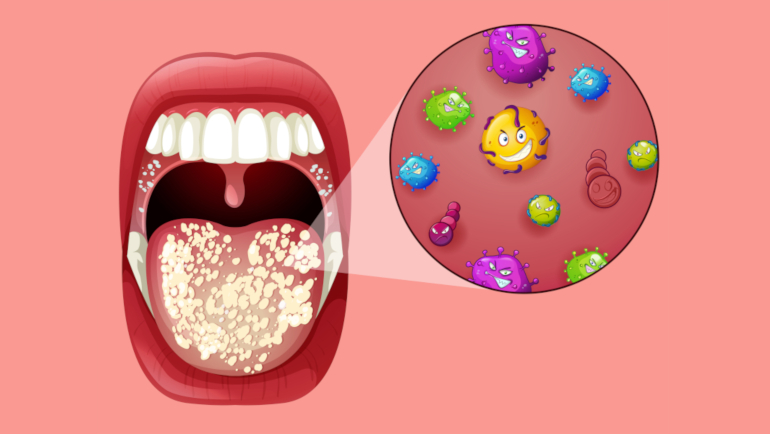
Before we dive into the probiotic magic, let's quickly recap what gingivitis is all about. Essentially, it's an infection caused by a buildup of plaque â€" that sticky film of bacteria that constantly forms on your teeth. When you don't brush and floss regularly, this plaque hardens into tartar, providing a perfect breeding ground for bacteria. These bacteria release toxins that irritate your gums, leading to redness, swelling, bleeding, and that all-too-familiar bad breath.Why is Gingivitis a Big Deal?
You might be thinking, "It's just a little gum inflammation, no biggie." But, unfortunately, that's not quite the case. Untreated gingivitis can progress to periodontitis, a much more serious infection that can destroy the tissues and bone supporting your teeth. This can eventually lead to tooth loss, and even impact your overall health, as research suggests a link between gum disease and other conditions like heart disease and diabetes. So, prevention is key!How Probiotics Enter the Fight
Now, here's where the good bacteria come in. Probiotics are live microorganisms (mostly bacteria, but also some yeasts) that, when consumed in adequate amounts, confer a health benefit on the host. Think of them as the "good guys" fighting off the harmful bacteria that cause gingivitis.The Good Guys vs. The Bad Guys
Your mouth is home to a complex ecosystem of bacteria, both good and bad. A healthy balance is essential. When the bad bacteria (like *Porphyromonas gingivalis*, a major culprit in gum disease) outnumber the good ones, things go south quickly. Probiotics help to restore this balance by:- Competing for space and resources: Good bacteria occupy space and nutrients that harmful bacteria need to survive and thrive.
- Producing antimicrobial substances: Some probiotics produce compounds that directly kill or inhibit the growth of harmful bacteria.
- Strengthening the immune system: Probiotics can stimulate the immune response in your mouth, helping your body fight off infections more effectively.
- Reducing inflammation: By modulating the immune response, probiotics can help reduce the inflammation associated with gingivitis.
Probiotic Powerhouses for Gum Health
Not all probiotics are created equal. Certain strains have shown more promising results in studies related to oral health. Some of the key players include:- Lactobacillus species: These are workhorses in many probiotic products and have demonstrated anti-inflammatory effects.
- Bifidobacterium species: These are also common in probiotic supplements and have shown promise in reducing harmful bacteria in the mouth.
- Streptococcus salivarius K12: This specific strain is particularly interesting as it's found naturally in the human mouth and has shown potential in preventing oral infections.
How to Incorporate Probiotics into Your Oral Health Routine
You can introduce probiotics into your routine in a few ways:- Probiotic supplements: Many supplements are specifically formulated for oral health, often containing a blend of beneficial strains. Always check with your dentist or doctor before starting any new supplement.
- Probiotic yogurts and drinks: Look for yogurts and kefirs that explicitly list live and active cultures on the label. These aren't as targeted as oral health supplements, but they still contribute to your overall gut health, which can indirectly affect oral health.
- Probiotic mouthwashes and toothpastes: These are becoming increasingly available, often incorporating strains like Streptococcus salivarius K12.
Probiotics: Prevention and Treatment?
The exciting news is that research suggests probiotics can play a role in both preventing and treating gingivitis. For prevention, incorporating probiotics into your routine can help maintain a healthy balance of oral bacteria, making it harder for harmful bacteria to take hold. For treatment, studies show that probiotics can help reduce gingivitis symptoms like bleeding gums and inflammation. However, it's crucial to remember that probiotics are not a replacement for good oral hygiene!Beyond Probiotics: The Importance of Good Oral Hygiene
Think of probiotics as a powerful addition to your oral health arsenal, not the sole weapon. Good old-fashioned brushing and flossing remain essential for preventing gingivitis. Aim for twice-daily brushing with fluoride toothpaste and daily flossing. Regular dental checkups are also vital for early detection and treatment of any gum problems.Commonly Asked Questions
Q: Will probiotics cure my gingivitis?
A: While probiotics can significantly reduce symptoms and help manage gingivitis, they're not a guaranteed cure. They work best in conjunction with good oral hygiene practices and professional dental care.
Q: How long does it take to see results?
A: The timeframe varies depending on the individual, the severity of gingivitis, and the type of probiotic used. You might start noticing improvements within a few weeks, but consistent use is key.
Q: Are there any side effects?
A: Probiotics are generally considered safe, but some individuals might experience mild gastrointestinal side effects like bloating or gas, especially when starting a new supplement. If you experience any concerning side effects, stop using the probiotic and consult your doctor.
Q: Can I just use a probiotic mouthwash instead of brushing and flossing?
A: Absolutely not! Probiotic mouthwashes are a supplementary tool, not a replacement for thorough brushing and flossing. These are fundamental practices for maintaining optimal oral health.
Q: What if I have other health conditions? Should I talk to my doctor?
A: It's always a good idea to consult your doctor or dentist before starting any new supplements, especially if you have pre-existing health conditions or are taking medications. They can help you determine if probiotics are safe and appropriate for you.
Remember, a healthy mouth contributes to overall well-being! By combining good oral hygiene practices with the potential benefits of probiotics, you can significantly improve your chances of preventing and managing gingivitis and keeping that smile bright and healthy.


No comments:
Post a Comment
Note: Only a member of this blog may post a comment.