Explore natural remedies and expert advice to boost your gum health and keep your teeth in top condition for years to come.

How to Use Neem for Natural Oral Care and Gum Health

How to Use Neem for Natural Oral Care and Gum Health

Unlocking the Power of Neem: Your Guide to Natural Oral Care

Hey there! So you're curious about neem and its potential benefits for your oral health? You've come to the right place! Neem, derived from the neem tree (Azadirachta indica), has been used for centuries in Ayurvedic medicine, and its amazing properties are finally getting the recognition they deserve in the Western world. Let's dive into how you can harness the power of neem for a healthier, happier mouth.

What Makes Neem So Special for Oral Health?

Neem's magic lies in its active compounds, particularly nimbin, azadirachtin, and nimbidin. These aren't just fancy names; they're potent natural fighters against the bacteria, fungi, and viruses that contribute to common oral problems. Think plaque, gingivitis, bad breath â€" neem can tackle them all!

Here's the breakdown of its superstar qualities:

  • Antibacterial Powerhouse: Neem's strong antibacterial properties effectively combat the bacteria responsible for plaque buildup and gum inflammation. It's like a tiny army fighting off the invaders in your mouth!
  • Anti-inflammatory Effects: Inflammation is at the root of many gum diseases. Neem's anti-inflammatory action helps soothe irritated gums and reduce swelling.
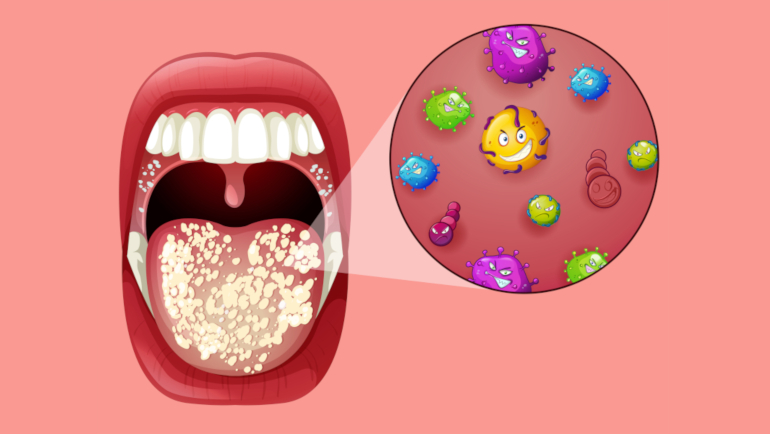
  • Anti-fungal Properties: Oral thrush, a fungal infection, can be uncomfortable and persistent. Neem's antifungal properties can help keep those pesky fungi in check.
  • Antiviral Action: While less researched than its other properties, neem also shows potential antiviral effects, which could be beneficial in fighting off certain oral viruses.
  • Wound Healing: Neem can help promote healing in minor oral wounds, such as small cuts or sores, speeding up recovery time.

How to Incorporate Neem into Your Oral Care Routine

There are several ways to bring the benefits of neem into your daily oral hygiene:

Neem Toothpaste

This is probably the easiest way to start! Look for toothpastes that specifically list neem extract as a key ingredient. Many natural brands offer neem toothpastes that combine its benefits with other natural ingredients like fluoride (for cavity prevention) or essential oils for extra freshness.

Tip: Start slowly. Some people find that neem toothpaste has a slightly bitter taste at first. If it's too strong, you can try mixing it with your regular toothpaste until you get used to the flavor.

Neem Oil Pulling

Oil pulling, an ancient Ayurvedic practice, involves swishing oil around in your mouth to draw out bacteria and toxins. Neem oil is particularly effective for this because of its potent antibacterial properties.

How to do it: Take about a tablespoon of neem oil (make sure it's specifically designed for oral use) and swish it gently around your mouth for 15-20 minutes. Spit it out into the trash (never the sink, as it can clog your pipes), and rinse your mouth thoroughly with water. Do this once a day, preferably in the morning before brushing your teeth.

Important Note: Neem oil can be quite potent, so start with shorter sessions (5-10 minutes) and gradually increase the time. Some people experience mild tingling or a slightly bitter taste; this is normal, but if you experience discomfort, reduce the duration or frequency of oil pulling.

Neem Mouthwash

You can either buy commercially available neem mouthwashes or make your own by diluting neem oil in water (a few drops in a glass of water). Swish this mixture around your mouth for 30 seconds to a minute, then spit it out and rinse with plain water. This is a great way to freshen breath and give your mouth an extra dose of neem's antibacterial power.

Caution: Don't swallow neem oil or mouthwash. It's for external use only.

Neem Sticks (Datun)

Traditional neem sticks, or datun, are twigs from the neem tree that are chewed on like a toothbrush. They have been used for centuries in many cultures for oral hygiene. The fibers act like bristles, while the neem extracts provide the antibacterial benefits. If you can find authentic neem sticks, they're a truly unique and natural approach to brushing your teeth.

Note: The texture might take some getting used to. It's not as soft as a regular toothbrush, and you may need to chew on the stick to create soft bristles.

Beyond Brushing: The Holistic Neem Approach

Incorporating neem into your oral care routine is just one aspect of maintaining good overall oral health. Remember to:

  • Brush and floss regularly: Neem is a powerful supplement, but it shouldn't replace good brushing and flossing habits.
  • Maintain a healthy diet: A balanced diet low in sugar and refined carbohydrates helps prevent cavities and gum disease.
  • Drink plenty of water: Staying hydrated is crucial for overall health, including the health of your mouth.
  • Visit your dentist regularly: Regular checkups and cleanings are essential for detecting and treating any oral health problems early on.

Possible Side Effects and Precautions

While generally safe, neem can cause some side effects in a few individuals. These can include:

  • Mild tingling or burning sensation in the mouth
  • Slight bitterness
  • Allergic reactions (rare)

If you experience any severe reactions, stop using neem products immediately and consult a doctor or dentist.

Important: Pregnant or breastfeeding women should consult their doctor before using neem products, as research on its safety during pregnancy and breastfeeding is limited.

Frequently Asked Questions

Q: Is neem oil safe to swallow?

A: No, neem oil is not intended for ingestion. It's for external use only in oral care.

Q: How long does it take to see results from using neem for oral health?

A: Results vary from person to person. Some people report noticing improvements in their gum health and breath within a few weeks of consistent use. Others may see more significant changes over a longer period.

Q: Can I use neem products if I have sensitive teeth?

A: Some people with sensitive teeth may find that neem products cause a slight tingling or burning sensation. Start with a small amount and gradually increase usage to see how your teeth react. If you experience significant sensitivity, reduce usage or discontinue use.

Q: Where can I buy neem products?

A: Neem products are widely available online and in many health food stores and pharmacies.

Q: Can neem cure gum disease?

A: Neem can help manage and improve symptoms associated with gum disease, but it's not a cure. For severe gum disease, professional dental treatment is essential.

I hope this comprehensive guide helps you incorporate neem into your oral care routine! Remember, consistency is key. With regular use, you can unlock the many benefits of this amazing natural remedy. Happy brushing (or swishing or chewing â€" whichever method you choose!)
Share:

The Natural Power of Probiotics for Preventing Gingivitis and Gum Health

The Natural Power of Probiotics for Preventing Gingivitis and Gum Health

The Natural Power of Probiotics for Preventing Gingivitis and Gum Health

Gum disease, a prevalent oral health issue affecting millions worldwide, significantly impacts overall well-being. Gingivitis, the initial stage of gum disease, manifests as inflammation and redness of the gums. While traditional treatments exist, a growing body of research highlights the remarkable potential of probiotics in preventing and managing gingivitis. These beneficial bacteria, residing naturally in our bodies, offer a natural and effective approach to bolstering oral health.

Understanding the Oral Microbiome and its Role in Gum Health

Our mouths teem with a complex ecosystem of microorganisms, collectively known as the oral microbiome. A delicate balance exists between beneficial and harmful bacteria. When this balance shifts, favoring harmful bacteria, inflammation ensues, leading to gingivitis. Poor oral hygiene practices, such as infrequent brushing and flossing, contribute to this imbalance. Similarly, factors like smoking, stress, and certain medical conditions can disrupt the oral microbiome, paving the way for gum disease. Probiotics, by introducing beneficial bacteria, help restore this balance, thus supporting healthy gums.

How Probiotics Combat Gingivitis

Probiotics work through several mechanisms to combat gingivitis. They directly inhibit the growth of harmful bacteria associated with gum disease. They achieve this by competing for resources, producing antimicrobial substances, and modulating the immune response. This multifaceted approach ensures a more comprehensive defense against the pathogens responsible for inflammation and infection. Furthermore, probiotics help strengthen the gums' natural defense mechanisms, making them more resilient to harmful bacteria.

Specific Mechanisms of Action

The beneficial effects of probiotics aren't simply a matter of replacing "bad" bacteria with "good" bacteria. They actively improve the overall oral environment. For instance, certain probiotics produce hydrogen peroxide, a natural antimicrobial agent that directly kills harmful bacteria. Others produce organic acids that lower the pH in the mouth, creating an environment less hospitable to the bacteria that cause gingivitis. Still others stimulate the production of antibodies and other immune factors that help defend against infection.

Choosing the Right Probiotics for Oral Health

Not all probiotics are created equal. Research suggests that specific strains, such as Lactobacillus and Bifidobacterium species, show particular promise in improving gum health. However, more research is needed to definitively establish the optimal probiotic strains and dosages for gingivitis prevention. Always consult with your dentist or a healthcare professional before incorporating probiotics into your oral health routine, especially if you have pre-existing health conditions. They can guide you on selecting a suitable probiotic supplement or recommend other strategies to improve your oral hygiene.

Beyond Supplements: Incorporating Probiotics Naturally

While probiotic supplements are a convenient option, you can also increase your intake of beneficial bacteria through dietary choices. Foods rich in probiotics, such as yogurt (especially those explicitly labeled with live and active cultures), kefir, and sauerkraut, can contribute to a healthier oral microbiome. Remember to maintain consistent and thorough oral hygiene practices to complement the benefits of probiotics.

Conclusion: A Natural Path to Healthier Gums

Probiotics offer a compelling, natural approach to preventing and managing gingivitis. By restoring the balance of the oral microbiome and bolstering the immune system, they provide a powerful defense against gum disease. While further research is ongoing to refine the specific strains and protocols for optimal effectiveness, the available evidence strongly supports the inclusion of probiotics as part of a comprehensive oral health strategy. Combined with excellent oral hygiene, a probiotic-rich approach may offer a pathway to healthier, happier gums.

Share:

How Oral Probiotics Work to Prevent Tooth Sensitivity and Improve Hygiene

How Oral Probiotics Work to Prevent Tooth Sensitivity and Improve Hygiene

Unlocking the Power of Oral Probiotics: A Friendly Guide to Healthier Teeth and Gums

Hey there! Let's talk about something super cool and increasingly popular: oral probiotics. You’ve probably heard about probiotics for gut health, but did you know they can work wonders for your mouth too? They're tiny little superheroes fighting the bad guys in your mouth to keep your smile sparkling and sensitivity-free. This isn't some magical cure-all, but the science behind it is pretty fascinating, and the benefits are definitely worth exploring.

Understanding the Oral Microbiome: It's a Jungle In There!

Your mouth isn't just a place for chomping down on delicious food; it's a bustling ecosystem teeming with bacteria. We’re talking millions and millions of microbes! This collection is called your oral microbiome, and it's a delicate balance of good and bad bacteria. When the "good guys" are in the majority, everything runs smoothly. But when the "bad guys" take over, that’s when you start to see problems like tooth decay, gum disease, and even sensitivity.

The Good, the Bad, and the…Well, the Ugly?

The "good" bacteria are like the helpful neighborhood watch, keeping things tidy and preventing harmful bacteria from taking hold. They produce helpful substances that protect your teeth and gums. The "bad" bacteria, on the other hand, are the troublemakers. They produce acids that erode your tooth enamel, leading to cavities, and contribute to inflammation in your gums, which can lead to gingivitis and periodontitis (gum disease).

Think of it like this: imagine your mouth as a garden. You want lots of lovely, healthy plants (good bacteria) thriving, and you need to weed out the unwanted weeds (bad bacteria) before they take over and choke out the good stuff!

How Oral Probiotics Step In to Save the Day

This is where oral probiotics come in. They're live microorganisms (mainly bacteria and yeasts) that, when ingested in adequate amounts, confer a health benefit. They essentially bolster the ranks of the "good guys" in your mouth, helping them to outcompete the harmful bacteria. They do this in several ways:

Strengthening Your Defenses

Oral probiotics can help strengthen your enamel, making your teeth more resistant to acid attacks from the bad bacteria. They can also help reduce inflammation in your gums, preventing or lessening the severity of gum disease.

Producing Helpful Substances

Some oral probiotics produce substances that inhibit the growth of harmful bacteria. They might produce things like bacteriocins, which are natural antibiotics, or they might simply out-compete the bad guys for nutrients, leaving the bad bacteria starved and unable to thrive.

Improving Your Overall Oral Hygiene

By improving the balance of your oral microbiome, oral probiotics contribute to better overall oral hygiene. This means less plaque buildup, reduced bad breath, and a healthier mouth overall. It’s important to remember, though, that probiotics aren't a replacement for brushing and flossing. Think of them as a helpful supplement to your existing oral hygiene routine.

Oral Probiotics and Tooth Sensitivity: A Winning Combination?

Many people suffer from tooth sensitivity, that sharp, shooting pain when you eat or drink something hot, cold, sweet, or acidic. This is often caused by worn-down enamel, exposed dentin (the layer beneath the enamel), or gum recession. While probiotics won't magically repair damaged enamel overnight, they can play a beneficial role:

Protecting Enamel

By bolstering the good bacteria and reducing the acid attacks from harmful bacteria, probiotics contribute to the preservation of existing enamel. This means slowing down further enamel erosion and reducing the risk of increased sensitivity.

Reducing Inflammation

Inflammation around the gums can contribute to sensitivity. By reducing gum inflammation, probiotics may indirectly lessen tooth sensitivity.

Supporting Overall Oral Health

Improving overall oral health through a balanced microbiome may help address the underlying causes of sensitivity, even if it doesn’t directly target the sensitive areas.

It's important to manage expectations. Oral probiotics aren't a quick fix for severe tooth sensitivity. If you have significant sensitivity, you should always consult a dentist to rule out other causes and explore appropriate treatment options. However, they can certainly be a valuable part of a preventative and supportive strategy.

Choosing and Using Oral Probiotics: What to Look For

The oral probiotic market is growing rapidly, so it's essential to choose a high-quality product. Look for products that:

  • Specify the strains of probiotics included. Not all probiotic strains are created equal, and different strains have different benefits.
  • Contain a sufficient number of colony-forming units (CFUs). This is a measure of the number of live bacteria in the product.
  • Are formulated for oral use. Not all probiotics are suitable for oral application.
  • Are from a reputable manufacturer.

Many oral probiotics are available in various forms, including lozenges, capsules, pastes, and mouthwashes. Follow the manufacturer's instructions carefully regarding dosage and application.

Remember, consistency is key! Just like brushing and flossing, you'll need to use oral probiotics regularly to see the best results.

Frequently Asked Questions (FAQs)

Q: Are oral probiotics safe?

A: Generally, oral probiotics are considered safe for most people. However, individuals with weakened immune systems or certain medical conditions should consult their dentist or doctor before using them.

Q: How long does it take to see results?

A: The time it takes to see results can vary from person to person. Some people may notice improvements in their oral health within a few weeks, while others may need to use them for several months to see significant changes. Consistency is key!

Q: Can oral probiotics replace brushing and flossing?

A: Absolutely not! Oral probiotics are a supplement to, not a replacement for, good oral hygiene practices. Brushing and flossing remain essential for removing plaque and preventing cavities and gum disease.

Q: What if I experience side effects?

A: Some people may experience mild side effects, such as temporary digestive upset. If you experience any significant side effects, discontinue use and consult your dentist or doctor.

Q: Can I find oral probiotics at my local pharmacy or supermarket?

A: Yes, many pharmacies and supermarkets now carry oral probiotic products. You can also find a wide selection online.

Q: Are oral probiotics right for me?

A: If you're looking for a natural way to support your oral health, improve gum health, or reduce sensitivity, oral probiotics are definitely worth considering. However, always consult your dentist to discuss your individual needs and whether they are suitable for your specific situation. They can help determine if oral probiotics could be a beneficial addition to your oral care routine.

Share:

Cranberries: A Tasty Way to Maintain Healthy Teeth and Gums

Cranberries: A Tasty Way to Maintain Healthy Teeth and Gums

Cranberries: A Tasty Way to Maintain Healthy Teeth and Gums

For centuries, cranberries have been celebrated for their vibrant color and tart flavor. But beyond their deliciousness, these little berries pack a powerful punch when it comes to oral health. Recent research continues to highlight the significant benefits cranberries offer in maintaining healthy teeth and gums, providing a natural and enjoyable way to support your smile. Forget harsh chemical mouthwashes â€" let's explore the surprising ways cranberries contribute to a brighter, healthier mouth.

The Science Behind the Sparkle

The secret lies in cranberries' unique composition. They are brimming with naturally occurring compounds, most notably proanthocyanidins (PACs). These PACs act as potent antioxidants, fighting off harmful bacteria that contribute to plaque buildup and gum disease. Unlike many other fruits, cranberries contain a specific type of PAC that effectively prevents bacteria from adhering to tooth enamel and gum tissue. This prevents the formation of biofilms â€" sticky bacterial colonies that are the root cause of many oral health problems. Studies have shown that regular cranberry consumption, whether in juice, sauce, or whole berry form, can significantly reduce the number of cavity-causing bacteria in the mouth.

Cranberries Combat Common Oral Issues

Fighting Plaque and Gingivitis

Plaque, that sticky film that forms on teeth, is the precursor to cavities and gum disease. Cranberries actively hinder plaque formation by preventing bacterial adhesion. This means less plaque buildup, leading to a reduced risk of gingivitis, the early stage of gum disease characterized by inflammation and bleeding gums. By incorporating cranberries into your diet, you proactively strengthen your defenses against these common oral health problems.

Preventing Cavities

Cavities are caused by the acids produced by bacteria as they metabolize sugars. Cranberries’ PACs don't just target bacteria; they also help to neutralize the acids produced, thereby reducing the risk of enamel erosion and cavity formation. This protective effect makes cranberries a valuable addition to any oral hygiene routine, complementing regular brushing and flossing.

Addressing Bad Breath

Bad breath, or halitosis, often stems from the volatile sulfur compounds produced by bacteria in the mouth. Cranberries' antibacterial properties work to reduce these odor-causing bacteria, contributing to fresher breath. While not a replacement for proper dental hygiene, cranberries offer a delicious supporting role in combating bad breath.

Incorporating Cranberries into Your Oral Health Routine

There are numerous ways to enjoy the oral health benefits of cranberries. Here are a few ideas to get you started:

  • Enjoy a daily serving of cranberry juice (unsweetened is best).
  • Add fresh or dried cranberries to your yogurt, oatmeal, or salads.
  • Use cranberry sauce as a healthy and flavorful addition to your meals.
  • Consider cranberry supplements, but always consult your doctor or dentist first.

Remember, cranberries are a valuable addition to a comprehensive oral health routine, not a replacement for regular brushing, flossing, and dental checkups. By incorporating these tart berries into your diet, you can enjoy a naturally delicious way to support a brighter, healthier smile.

Share:

Are White Gums a Sign of Gum Disease? How to Know for Sure

Are White Gums a Sign of Gum Disease? How to Know for Sure

Are White Gums a Sign of Gum Disease? How to Know for Sure

Hey there! So, you've noticed something a little…off…with your gums. They're looking a bit whiter than usual, and now you're worried. Totally understandable! White gums can be a bit of a red flag (pun intended!), and it's smart to investigate. Let's dive into whether white gums are always a sign of gum disease, and how you can figure out what's going on with your mouth.

Understanding the Normal Color of Gums

Before we jump into the worrying stuff, let's talk about what "normal" looks like. Healthy gums are usually a pinkish hue. Think of a healthy, blushing peach â€" that's the kind of color you're aiming for. The shade can vary a little from person to person, influenced by things like skin tone, but it should generally be a relatively even, consistent pink.

Why Might My Gums Be White?

Now, let's tackle the million-dollar question: why are your gums white? Several things can cause this discoloration, ranging from totally harmless to something that needs immediate attention. Let's break down some of the possibilities:

Gum Disease (Gingivitis and Periodontitis)

Yes, this is one of the major culprits. Gum disease, encompassing both gingivitis (the early stage) and periodontitis (the more advanced stage), can cause your gums to appear white. This happens because the inflammation and infection often lead to reduced blood flow to the gums, resulting in that pale, sometimes almost greyish-white appearance. Other symptoms of gum disease often accompany the white gums, including:

  • Swollen or puffy gums
  • Bleeding gums, especially when brushing or flossing
  • Receding gum line (your gums appear to be pulling away from your teeth)
  • Persistent bad breath
  • Loose teeth
  • Pus around your teeth

If you notice any of these symptoms alongside white gums, schedule a dental appointment immediately. Early intervention is key to preventing serious damage and tooth loss.

Leukoplakia

Leukoplakia is a condition that causes white patches or spots to develop on the mucous membranes in your mouth. While it's often harmless, in some cases, it can be a precursor to oral cancer. Leukoplakia patches are usually thick and leathery, unlike the pale, somewhat translucent look often seen with gum disease. Your dentist will be able to differentiate between the two and recommend appropriate treatment if necessary.

Lichen Planus

Lichen planus is a chronic inflammatory condition that can affect the skin and mucous membranes, including the gums. It can manifest as white, lacy patches on the gums and inside the cheeks. While it's not directly a gum disease, it can be uncomfortable and requires professional diagnosis and management.

Medication Side Effects

Believe it or not, some medications can cause your gums to appear whiter than usual. This is often a side effect that's not typically a major cause for concern, but it's something to mention to your doctor or dentist if you're taking any new medications.

Oral Hygiene Habits

While not directly causing the white color, poor oral hygiene can certainly contribute to the overall health of your gums and potentially make any existing issues worse. If you're not brushing and flossing regularly, you're more susceptible to gum disease and other oral health problems.

Nutritional Deficiencies

In rare cases, nutritional deficiencies can affect the appearance of your gums. This is often accompanied by other symptoms, such as fatigue or weakness. If you suspect this might be a factor, consult your doctor.

How to Know for Sure: See Your Dentist!

The bottom line is this: don't try to diagnose yourself. While I've outlined several possibilities, only a dentist can accurately determine the cause of your white gums. They have the expertise and tools to properly examine your mouth, take x-rays if needed, and rule out serious conditions.

Your dentist will be able to assess the overall health of your gums, look for signs of infection or inflammation, and determine if there are any underlying issues that require treatment. They can also provide personalized recommendations for maintaining optimal oral health.

Preventing Gum Disease

Regardless of why your gums are white, maintaining good oral hygiene is crucial for overall gum health. Here are some tips:

  • Brush your teeth twice a day with fluoride toothpaste for at least two minutes each time.
  • Floss daily to remove plaque and food particles from between your teeth.
  • Use an antimicrobial mouthwash as directed by your dentist.
  • Visit your dentist for regular checkups and professional cleanings.
  • Maintain a healthy diet and limit sugary drinks and snacks.
  • Quit smoking or using tobacco products.

Commonly Asked Questions

Here are some frequently asked questions about white gums:

Q: Will white gums always indicate a problem?

A: No, not necessarily. While white gums can be a sign of gum disease, they can also be caused by other factors, such as medication side effects or certain medical conditions. A dental exam is crucial to determine the underlying cause.

Q: How quickly should I see a dentist if I notice white gums?

A: It's best to schedule an appointment as soon as possible, especially if you're experiencing other symptoms like bleeding, swelling, or loose teeth. Early detection and treatment of gum disease are vital.

Q: Can white gums be treated?

A: The treatment depends on the underlying cause. If it's gum disease, treatment may involve professional cleaning, scaling, and root planing. Other conditions may require different approaches. Your dentist will develop a personalized treatment plan based on your specific needs.

Q: Can I prevent white gums?

A: You can significantly reduce your risk by practicing excellent oral hygiene, visiting your dentist regularly for checkups and cleanings, and maintaining a healthy lifestyle. This will help prevent gum disease and other oral health problems.

Remember, your oral health is an important part of your overall well-being. Don't hesitate to reach out to your dentist if you have any concerns. Taking proactive steps towards better oral hygiene can go a long way in keeping your smile healthy and bright!

Share:

The Role of Probiotics in Supporting Oral Hygiene for Older Adults

The Role of Probiotics in Supporting Oral Hygiene for Older Adults

The Role of Probiotics in Supporting Oral Hygiene for Older Adults

Maintaining optimal oral health is crucial for older adults, impacting not only their quality of life but also their overall well-being. Age-related changes in the oral microbiome, coupled with decreased saliva production and weakened immune systems, make seniors particularly vulnerable to oral diseases like gingivitis, periodontitis, and oral candidiasis. This vulnerability often translates into increased discomfort, difficulty eating, and even systemic health complications. Fortunately, emerging research highlights the potential of probioticsâ€"live microorganisms that confer a health benefit when administered in adequate amountsâ€"to bolster oral hygiene strategies for this vulnerable population.

Understanding the Oral Microbiome and Age-Related Changes

The oral cavity teems with a diverse community of bacteria, fungi, and virusesâ€"the oral microbiome. A balanced microbiome is essential for maintaining oral health. However, aging significantly alters this delicate ecosystem. Decreased saliva production, a common age-related phenomenon known as xerostomia, reduces the natural cleansing and buffering capacity of the mouth, creating an environment conducive to pathogenic bacteria. Weakened immune responses also leave older adults more susceptible to infections. These changes can lead to an overgrowth of harmful bacteria, disrupting the microbial balance and promoting the development of oral diseases.

The Promise of Probiotics in Oral Health

Probiotics offer a novel approach to support oral hygiene in older adults by modulating the composition and activity of the oral microbiome. Specific probiotic strains, such as Lactobacillus and Streptococcus species, have demonstrated promising effects in preclinical and clinical studies. These beneficial bacteria can compete with harmful pathogens for nutrients and space, thereby preventing their colonization and reducing the risk of infection. Moreover, some probiotics produce substances that inhibit the growth of harmful bacteria, further contributing to a healthy oral environment.

Mechanisms of Action

The beneficial effects of probiotics in oral health stem from several mechanisms:

  • Competitive exclusion: Probiotics outcompete harmful bacteria for binding sites on the teeth and oral mucosa.
  • Production of antimicrobial substances: Certain probiotics produce compounds like bacteriocins that inhibit the growth of pathogens.
  • Modulation of the immune response: Probiotics can stimulate the immune system to better combat oral infections.
  • Improved salivary flow: Some studies suggest that certain probiotics may help stimulate saliva production, mitigating the effects of xerostomia.

Probiotic Delivery Methods and Considerations

Probiotics can be delivered in various forms, including lozenges, mouthwashes, chewing gums, and even toothpaste. The choice of delivery method depends on factors such as patient preference, compliance, and the specific probiotic strain. It's crucial to note that not all probiotic strains are created equal; the efficacy of a probiotic in improving oral health is highly strain-specific. Therefore, choosing products with well-documented evidence of efficacy is paramount.

Future Directions and Conclusion

While promising, further research is needed to fully elucidate the role of probiotics in maintaining oral health in older adults. Larger, well-designed clinical trials are needed to confirm the efficacy of specific probiotic strains and delivery methods. Personalized approaches that consider individual variations in the oral microbiome may be crucial for optimizing the benefits of probiotic interventions. Despite these uncertainties, the potential of probiotics to complement conventional oral hygiene practices and improve oral health outcomes in older adults is undeniable. They represent a valuable addition to the toolkit for promoting healthy aging and improving the overall quality of life for this increasingly significant population.

Share:

How to Support Your Oral Microbiome for Fresh Breath

How to Support Your Oral Microbiome for Fresh Breath

Unlocking Fresh Breath: A Guide to a Happy Oral Microbiome

Hey there! Let's talk about something we all want: fresh breath. But it's not just about masking bad breath with mints; it's about nurturing the amazing ecosystem living in your mouth â€" your oral microbiome. Think of it like a tiny garden in your mouth, and just like any garden, it needs the right care to thrive. A healthy, balanced oral microbiome means fresh breath, healthy gums, and a generally happier mouth. So, let's dive in and learn how to support those little microbial buddies!

Understanding Your Oral Microbiome: It's a Jungle In There!

Your mouth is teeming with life! Hundreds of different types of bacteria, fungi, and viruses call your mouth home. Some are good guys, helping keep things balanced and fighting off the baddies. Others… well, let's just say they're not so great. These "bad" bacteria are often the culprits behind bad breath (halitosis), gum disease, and other oral health problems. It's all about finding that sweet spot â€" a diverse and balanced community where the good guys outnumber the bad.

The Good, the Bad, and the… Smelly?

The "good" bacteria help break down food particles, produce beneficial compounds, and compete with the bad bacteria for resources. The "bad" bacteria, on the other hand, produce volatile sulfur compounds (VSCs), the main cause of bad breath. They thrive on leftover food particles, especially proteins, creating those unpleasant odors. Think of it like leaving dirty dishes in the sink â€" eventually, it's going to smell.

Nurturing Your Oral Microbiome for a Fresh-Breathing Oasis

So, how do we cultivate this thriving, fresh-smelling oral garden? It's all about creating an environment where the good bacteria flourish and the bad bacteria struggle to survive.

Brushing and Flossing: The Cornerstones of Oral Hygiene

This might sound obvious, but it's crucial. Brushing twice a day (morning and night) and flossing once a day removes food particles and plaque, preventing the bad bacteria from feasting and creating those smelly VSCs. Use a fluoride toothpaste â€" fluoride strengthens your teeth and helps prevent cavities, indirectly supporting your overall oral health.

Choosing the Right Toothbrush and Technique

Don't underestimate the importance of a good toothbrush! Choose a soft-bristled brush to avoid damaging your gums. And brush gently but thoroughly, paying attention to the gum line where plaque loves to accumulate. Consider an electric toothbrush; many studies show they can be more effective than manual brushing.

Tongue Cleaning: Don't Forget the Back!

Your tongue is a breeding ground for bacteria, too! Using a tongue scraper or gently brushing your tongue (from back to front) can remove bacteria and help eliminate bad breath. Just be gentle to avoid gagging.

Hydration is Key!

Drinking plenty of water throughout the day helps wash away food particles and bacteria, keeping your mouth clean and preventing dryness. Dry mouth (xerostomia) is a breeding ground for bad bacteria, so staying hydrated is a simple but powerful strategy.

Diet Plays a Big Role!

What you eat directly impacts your oral microbiome. A balanced diet rich in fruits, vegetables, and whole grains provides the nutrients your body needs to support overall health, including oral health. Limit sugary and processed foods, as they feed the bad bacteria and contribute to plaque buildup.

Probiotics: Friendly Bacteria to the Rescue!

Just like probiotics in your gut, some research suggests that probiotics for your mouth can help balance the oral microbiome. These are “good” bacteria that can compete with the harmful bacteria for resources. Look for mouthwashes or toothpastes containing probiotics, but remember to consult your dentist before making any major changes to your oral hygiene routine.

Mindful Snacking!

If you do snack between meals, opt for healthier choices like fruits or vegetables. These are less likely to stick to your teeth compared to sugary snacks or processed foods.

Regular Dental Checkups: The Professional Touch

Regular visits to your dentist are essential for maintaining optimal oral health. Professional cleanings remove plaque and tartar that you can't reach yourself, keeping your microbiome balanced. Your dentist can also detect any potential problems early on, preventing more serious issues from developing.

Addressing Specific Bad Breath Causes

Sometimes, bad breath isn't just about the oral microbiome. Certain medical conditions, medications, and lifestyle habits can also contribute.

Medical Conditions

Some medical conditions, such as diabetes, chronic acid reflux, and sinus infections, can affect breath odor. If you suspect a medical condition might be causing your bad breath, consult your doctor.

Medications

Certain medications can cause dry mouth, creating a breeding ground for bad breath. Talk to your doctor or pharmacist if you suspect your medication might be contributing to your bad breath.

Lifestyle Factors

Smoking and excessive alcohol consumption are well-known contributors to bad breath. Quitting smoking and moderating alcohol intake can significantly improve your breath and overall health.

When to Seek Professional Help

While these tips can significantly improve your breath, persistent bad breath could indicate an underlying issue. If you've tried these strategies and are still struggling with bad breath, consult your dentist or doctor. They can help identify any underlying medical conditions or other factors contributing to the problem. Don't suffer in silence!

Frequently Asked Questions

Q: How often should I replace my toothbrush?

A: It's generally recommended to replace your toothbrush every 3-4 months, or sooner if the bristles are frayed.

Q: Are mouthwashes necessary?

A: While mouthwash can supplement brushing and flossing, it shouldn't replace them. Choose an alcohol-free mouthwash to avoid drying out your mouth.

Q: Can chewing gum help with bad breath?

A: Sugar-free chewing gum can help stimulate saliva production, which aids in cleaning your mouth. However, it shouldn't be a replacement for brushing and flossing.

Q: My breath still smells bad even after brushing and flossing. What should I do?

A: Persistent bad breath could be a sign of an underlying issue. Schedule an appointment with your dentist or doctor to rule out any medical problems.

Q: What are some natural remedies for bad breath?

A: Some people find that incorporating certain foods like parsley, mint, and fennel into their diet helps freshen breath naturally. However, these are only supplemental and do not replace proper oral hygiene practices.

Remember, fresh breath isn't just about smelling good; it's a sign of a healthy mouth and overall well-being. By taking care of your oral microbiome, you're investing in your long-term health. So go forth and nurture that amazing little garden in your mouth!
Share:

Natural Ways to Heal and Treat Gum Inflammation

Natural Ways to Heal and Treat Gum Inflammation

Naturally Soothing Your Inflamed Gums: A Holistic Approach

Gum inflammation, or gingivitis, is a common problem often stemming from poor oral hygiene. While a dentist should always be your first port of call for diagnosis and treatment, several natural remedies can complement professional care and help soothe inflamed gums, promoting healing and preventing further complications. This article explores effective natural approaches to address gum inflammation, empowering you to take proactive steps toward a healthier smile.

Harnessing the Power of Herbs and Spices

Many herbs and spices possess potent anti-inflammatory and antibacterial properties beneficial for gum health. Aloe vera, known for its soothing qualities, directly applied to inflamed gums can reduce swelling and pain. Simply cut open an aloe vera leaf, extract the gel, and gently massage it onto the affected areas. Turmeric, a vibrant spice rich in curcumin, exhibits powerful anti-inflammatory effects. You can create a simple mouthwash by mixing a teaspoon of turmeric powder with warm water and swishing it around your mouth for a minute before spitting it out. Remember to rinse your mouth thoroughly with plain water afterward to avoid staining. Clove oil, another potent remedy, boasts antiseptic and analgesic properties. Dilute a few drops of clove oil with a carrier oil like coconut oil and gently apply it to the inflamed gums using a cotton swab. Always dilute essential oils before topical application to avoid irritation. These natural remedies work best when combined with regular brushing and flossing.

The Importance of Dietary Adjustments

What you eat directly impacts your oral health. A diet rich in antioxidants, found in vibrant fruits and vegetables, helps combat inflammation throughout the body, including your gums. Berries, leafy greens, and citrus fruits are excellent sources. Vitamin C, a crucial antioxidant, is especially important for gum health; a deficiency can lead to increased inflammation and bleeding. Incorporate foods rich in Vitamin C, such as oranges, bell peppers, and broccoli, into your daily diet. Conversely, limit your intake of sugary foods and drinks, as they feed harmful bacteria that contribute to gum disease. Also, consider reducing your consumption of processed foods and refined carbohydrates, which can exacerbate inflammation.

Lifestyle Changes for Optimal Gum Health

Maintaining good oral hygiene is paramount in preventing and treating gum inflammation. This involves a dedicated and consistent routine. Brush your teeth twice a day for at least two minutes each time, using a soft-bristled toothbrush and fluoride toothpaste. Floss daily to remove food particles and plaque from between your teeth, where your toothbrush can’t reach. Regular brushing and flossing are the cornerstones of preventing gum disease. Additionally, reducing stress plays a significant role. Stress can exacerbate inflammation, so incorporating stress-reducing activities like yoga, meditation, or spending time in nature can be beneficial. Finally, quitting smoking is crucial. Smoking significantly increases the risk of gum disease and slows down the healing process. It constricts blood vessels, reducing blood flow to the gums and hindering their ability to repair themselves.

When to Seek Professional Help

While natural remedies can be helpful, they are not a replacement for professional dental care. If you experience persistent gum inflammation, bleeding gums, receding gums, or any other concerning symptoms, consult your dentist immediately. They can accurately diagnose the underlying cause of your gum inflammation and recommend the most appropriate treatment plan, which may involve professional cleaning, antibiotics, or other interventions. Early intervention is key to preventing the progression of gingivitis to more severe forms of periodontal disease.

Remember, a holistic approach combining natural remedies with professional dental care and a healthy lifestyle provides the most comprehensive and effective way to manage and treat gum inflammation, ensuring a healthy and happy smile for years to come.

Share:

How Baking Soda Helps Alleviate Gum Pain Caused by Braces

How Baking Soda Helps Alleviate Gum Pain Caused by Braces

Baking Soda: Your Secret Weapon Against Brace-Related Gum Pain

So, you've got braces. Congratulations! You're on your way to a straighter, healthier smile. But let's be real, the journey isn't always a walk in the park. One of the most common complaints from brace-wearers is gum pain and irritation. That constant pressure, those pesky wires digging in… it's enough to make anyone want to rip the whole thing off! (Don't do that, by the way. Just… don't.) But what if I told you there's a simple, inexpensive, and readily available solution that can significantly ease your discomfort? Enter baking soda.

Yes, that humble box of baking soda you probably already have in your pantry might just be your new best friend during your orthodontic journey. It's not a miracle cure, of course, but it can provide significant relief from the gum pain and inflammation associated with braces. Let's dive into how it works and how you can safely use it.

Why Baking Soda Works Wonders on Sore Gums

Baking soda, or sodium bicarbonate, is a mild alkali. This means it helps to neutralize acids. And guess what? Bacteria in your mouth produce acids that contribute to inflammation and irritation, especially around your braces. These acids can also contribute to gingivitis, which is inflammation of the gums â€" a common problem for brace wearers. The brackets and wires create tiny spaces where food particles get trapped, leading to a breeding ground for bacteria. That's where baking soda steps in.

By neutralizing these acids, baking soda helps to create a more balanced pH level in your mouth. This reduction in acidity helps soothe irritated gums, reducing inflammation and pain. It's like giving your gums a gentle hug, neutralizing the nasty stuff that's causing them to hurt.

How to Use Baking Soda for Brace-Related Gum Pain

Using baking soda for gum pain relief is surprisingly straightforward, but there are a few key things to remember to ensure you're doing it safely and effectively.

The Baking Soda Rinse

This is the most common and often most effective method. Simply mix about a half-teaspoon of baking soda into a glass of warm water. Swish this solution around your mouth for about 60 seconds, making sure to get it between your teeth and around your braces. Then, spit it out and rinse with plain water. Don't swallow the mixture! It's not harmful in small amounts, but it's not meant to be ingested.

How often should you do this? Once or twice a day is generally sufficient. You might find you need it more often when your braces are freshly tightened or if you're experiencing particularly severe discomfort. Listen to your body and adjust accordingly.

Baking Soda Paste

For more targeted relief, you can create a paste. Mix a small amount of baking soda with a tiny bit of water to form a paste. Gently apply this paste to the areas of your gums that are most irritated using your finger or a soft-bristled toothbrush. Leave it on for a minute or two before rinsing your mouth thoroughly.

Important Note: Don't scrub aggressively! Your gums are already sensitive; you don't want to make things worse. Gentle application is key.

Combining Baking Soda with Other Remedies

Baking soda can be a powerful tool on its own, but its effects can be enhanced when combined with other natural remedies. For example, mixing a small amount of baking soda with salt can create a slightly more abrasive paste that can help remove food particles trapped around your braces. The salt also has some mild antiseptic properties.

Important Considerations and Cautions

While baking soda is generally safe, it's essential to use it responsibly. Here are a few important points to keep in mind:

  • Don't overuse it: While baking soda is gentle, using it excessively can potentially disrupt the natural pH balance in your mouth, leading to other problems. Stick to the recommended usage frequency.
  • Monitor for sensitivity: If you experience any increased sensitivity or irritation, discontinue use and consult your orthodontist or dentist.
  • It's not a replacement for professional care: Baking soda can help manage discomfort, but it's not a substitute for regular dental checkups and professional cleaning. Keep up with your scheduled appointments with your orthodontist.
  • Don't swallow it: Remember, baking soda is not meant for ingestion. Always rinse thoroughly after use.
  • Check for allergies: While rare, some individuals might have sensitivities to baking soda. If you experience any allergic reactions, discontinue use immediately.

Beyond Baking Soda: Other Tips for Brace-Related Gum Pain

Baking soda is a great tool, but it's part of a larger strategy for managing brace-related gum pain. Here are a few other things you can do:

  • Maintain excellent oral hygiene: Brush and floss meticulously, at least twice a day. Use a soft-bristled toothbrush and gentle flossing techniques.
  • Use a fluoride mouthwash: Fluoride helps strengthen your enamel and prevents cavities, which can further irritate your gums.
  • Eat soft foods: When your gums are particularly sore, opt for softer foods that are easier to chew and less likely to irritate your braces and gums.
  • Use orthodontic wax: This wax can help cushion any sharp edges on your braces that might be causing irritation.
  • Stay hydrated: Drinking plenty of water helps keep your mouth clean and reduces the buildup of bacteria.
  • Over-the-counter pain relievers: If the pain is severe, consider taking over-the-counter pain relievers like ibuprofen or acetaminophen, but always follow the recommended dosage.

Frequently Asked Questions (FAQs)

Here are some frequently asked questions about using baking soda for brace-related gum pain:

Q: How long does it take to see results from using baking soda?

A: You might notice some relief within a few uses, but it often takes consistent use over a few days to see a significant improvement in gum pain and inflammation.

Q: Can I use baking soda every day?

A: It's generally safe to use baking soda once or twice a day. However, if you notice any increased sensitivity or irritation, reduce the frequency of use.

Q: Can baking soda damage my braces?

A: No, baking soda is not abrasive enough to damage your braces. However, ensure you're not scrubbing aggressively when applying a paste.

Q: What if baking soda doesn't help my gum pain?

A: If your gum pain persists or worsens despite using baking soda and practicing good oral hygiene, it's crucial to contact your orthodontist or dentist. There might be an underlying issue that requires professional attention.

Q: Is baking soda better than commercial mouthwashes?

A: Baking soda can be a helpful addition to your oral hygiene routine, but it’s not a replacement for mouthwash or professional dental care. Commercial mouthwashes often contain ingredients that target specific bacteria, while baking soda focuses on neutralizing acids. The best approach is often a combination of both.

Remember, while baking soda can be a valuable tool in managing brace-related gum pain, it's always best to consult with your orthodontist or dentist if you have concerns about your oral health. They can provide personalized advice and address any underlying issues contributing to your discomfort.

Share:

Top Natural Probiotic-Rich Foods for a Healthier Mouth

Top Natural Probiotic-Rich Foods for a Healthier Mouth

Top Natural Probiotic-Rich Foods for a Healthier Mouth

Maintaining optimal oral health is crucial for overall well-being. While diligent brushing and flossing form the cornerstone of oral hygiene, incorporating probiotic-rich foods into your diet can significantly enhance your mouth's natural defenses against harmful bacteria. Probiotics, live microorganisms, primarily beneficial bacteria, contribute to a balanced oral microbiome, reducing the risk of various oral diseases. This article explores a range of natural, probiotic-rich foods that can promote a healthier and happier mouth.

Understanding the Oral Microbiome and Probiotics

The human mouth harbors a complex ecosystem of microorganisms, collectively known as the oral microbiome. This intricate community comprises a diverse array of bacteria, fungi, viruses, and archaea. A balanced microbiome is characterized by a harmonious coexistence of beneficial and potentially harmful microorganisms. This equilibrium is crucial for maintaining oral health. When this balance is disrupted, for example, through poor oral hygiene, an unhealthy diet, or stress, the population of harmful bacteria can proliferate, leading to various oral health problems.

Probiotics play a vital role in restoring and maintaining this delicate balance. By introducing beneficial bacteria into the oral cavity, probiotics can compete with harmful bacteria for resources and space, effectively reducing their numbers and minimizing their detrimental effects. This competitive exclusion is a key mechanism by which probiotics contribute to oral health.

Mechanisms of Probiotic Action in the Oral Cavity

The beneficial effects of probiotics on oral health are multifaceted and involve several mechanisms:

  • Competitive exclusion: Probiotics compete with pathogenic bacteria for adhesion sites on tooth surfaces and mucosal tissues, preventing colonization by harmful species.
  • Production of antimicrobial substances: Certain probiotic strains produce substances like bacteriocins, hydrogen peroxide, and organic acids that inhibit the growth of harmful bacteria.
  • Modulation of the immune response: Probiotics can stimulate the production of antimicrobial peptides and modulate the immune response, enhancing the body's defense against oral pathogens.
  • Reduction of inflammation: Probiotics can reduce inflammation in the oral cavity by inhibiting the production of inflammatory mediators.

Top Probiotic-Rich Foods for Oral Health

Several foods naturally contain probiotics or promote their growth in the gut, indirectly benefiting oral health. Incorporating these foods into your diet can contribute significantly to a healthier mouth.

Yogurt with Live and Active Cultures

Yogurt, especially varieties containing live and active cultures such as Lactobacillus and Bifidobacterium strains, is a well-known source of probiotics. These beneficial bacteria can survive the journey through the digestive system and may exert positive effects on the oral microbiome, although direct evidence of significant oral benefits remains under investigation. Choosing plain, unsweetened yogurt minimizes added sugar and allows for greater control over flavor and sweetness.

Kefir

Kefir is a fermented milk drink similar to yogurt but with a thinner consistency. It contains a broader range of beneficial bacteria and yeasts than yogurt, contributing to a more diverse and robust oral microbiome. Its slightly acidic nature can also help neutralize oral pH, reducing the risk of tooth decay.

Sauerkraut and Kimchi

These fermented vegetables are rich in lactic acid bacteria, such as Lactobacillus, known for their probiotic properties. The fermentation process enhances their nutrient content and creates a variety of beneficial compounds. However, it is important to note that the consumption of these foods might increase the acidity in the mouth if consumed in large quantities, increasing the risk of tooth erosion if proper oral hygiene practices are not followed.

Kombucha

Kombucha is a fermented tea beverage that contains various probiotics and beneficial organic acids. Similar to kefir, it boasts a diverse microbial community. Its potential benefits for oral health are linked to its antimicrobial properties and the regulation of the gut microbiome. However, consuming excessive amounts might affect dental enamel due to its acidity. Therefore, moderation is key, and proper brushing is advisable.

Misosoup

Misosoup, a traditional Japanese soup, is made from fermented soybeans and contains beneficial bacteria. The fermentation process enhances the bioavailability of nutrients and contributes to a richer microbiome. However, the sodium content should be considered, particularly for individuals with high blood pressure.

Dietary Considerations and Practical Recommendations

While incorporating probiotic-rich foods is beneficial, it's crucial to maintain a balanced diet and practice diligent oral hygiene. Focusing solely on probiotics without proper brushing, flossing, and regular dental checkups will not guarantee optimal oral health.

  • Balance is key: While probiotic-rich foods are beneficial, a well-rounded diet rich in fruits, vegetables, whole grains, and lean protein is essential for overall health, including oral health.
  • Limit sugary foods and drinks: Sugar fuels the growth of harmful bacteria in the mouth, increasing the risk of tooth decay and gum disease. Minimizing sugar intake is crucial for maintaining a healthy oral microbiome.
  • Maintain good oral hygiene: Brush your teeth twice daily for at least two minutes, floss daily, and use an antimicrobial mouthwash as recommended by your dentist.
  • Regular dental checkups: Regular visits to your dentist for professional cleaning and checkups are vital for detecting and addressing any oral health issues promptly.

Conclusion

Incorporating probiotic-rich foods into your diet can significantly contribute to a healthier mouth by promoting a balanced oral microbiome. However, it's essential to remember that probiotics are not a replacement for good oral hygiene practices and regular dental checkups. A holistic approach that combines a balanced diet, proper oral hygiene, and regular dental care provides the most effective strategy for maintaining optimal oral health and overall well-being. Further research is necessary to definitively establish the direct impact of specific probiotic strains on the oral microbiome and to fully understand the mechanisms involved.

Share:

Using Probiotics to Keep Your Gums Healthy and Disease-Free

Using Probiotics to Keep Your Gums Healthy and Disease-Free

Harnessing the Power of Probiotics for Optimal Gum Health

Maintaining optimal oral health is paramount for overall well-being. While traditional methods of dental hygiene remain crucial, emerging research highlights the significant role of probiotics in preventing and treating gum disease. This article delves into the intricate relationship between oral microbiota, probiotics, and gum health, exploring the mechanisms by which probiotics contribute to a healthier oral environment and examining the evidence supporting their use in preventing and managing periodontal disease.

Understanding the Oral Microbiome and its Impact on Gum Health

The human mouth harbors a complex and diverse ecosystem of microorganisms, collectively known as the oral microbiome. This intricate community comprises bacteria, fungi, viruses, and archaea, interacting dynamically with each other and the host's tissues. A balanced oral microbiome is essential for maintaining oral health. However, disruptions to this delicate equilibrium, often caused by poor oral hygiene, systemic diseases, or genetic predisposition, can lead to the proliferation of pathogenic bacteria and the development of periodontal disease.

The Role of Pathogenic Bacteria in Gum Disease

Periodontal disease, encompassing gingivitis and periodontitis, is a prevalent inflammatory condition characterized by the destruction of the supporting tissues of the teeth. Porphyromonas gingivalis, Aggregatibacter actinomycetemcomitans, and Tannerella forsythia are key pathogenic bacteria implicated in the progression of periodontal disease. These bacteria produce various virulence factors, including enzymes and toxins, that contribute to inflammation, tissue damage, and bone loss.

The Importance of Maintaining Microbiome Balance

A healthy oral microbiome is characterized by a diverse and balanced composition of bacteria, with commensal species outnumbering and suppressing the growth of pathogenic bacteria. This balance is crucial for preventing the overgrowth of harmful bacteria and the subsequent development of gum disease. Factors such as diet, stress, smoking, and systemic conditions can disrupt this balance, increasing the risk of periodontal disease.

Probiotics: Beneficial Bacteria for Oral Health

Probiotics are live microorganisms, primarily bacteria and yeasts, that confer health benefits when consumed in adequate amounts. While traditionally associated with gut health, recent research has demonstrated their potential to positively influence the oral microbiome and improve gum health. The mechanism of action involves several key processes:

Competitive Exclusion and Inhibition of Pathogens

Probiotic bacteria compete with pathogenic bacteria for nutrients and attachment sites on the tooth surface and gingival tissues. This competitive exclusion limits the growth and colonization of harmful bacteria, reducing their ability to cause disease. Furthermore, some probiotics produce substances, such as bacteriocins, that directly inhibit the growth of specific pathogenic bacteria.

Modulation of the Immune Response

Probiotics can modulate the host's immune response, reducing inflammation and promoting tissue repair. They achieve this by influencing the production of cytokines, signaling molecules involved in immune regulation. By reducing the inflammatory response, probiotics can help mitigate the tissue damage associated with periodontal disease.

Enhancement of Host Defense Mechanisms

Probiotics can strengthen the host's natural defenses against pathogenic bacteria. They may stimulate the production of antimicrobial peptides and antibodies, further enhancing the body's ability to combat infection and prevent disease. This strengthening of the innate immune system contributes to a more resilient oral environment.

Evidence Supporting the Use of Probiotics for Gum Health

Numerous studies have investigated the efficacy of probiotics in preventing and treating gum disease. While the findings are not entirely consistent across all studies, a significant body of evidence suggests that probiotics can offer tangible benefits:

Clinical Trials and Observational Studies

Several clinical trials and observational studies have demonstrated a reduction in periodontal disease markers, such as gingival bleeding, plaque accumulation, and probing depth, in individuals who consumed probiotics compared to those who did not. These studies have used various probiotic strains, highlighting the need for further research to identify the most effective strains for periodontal health.

Mechanism-Based Studies

In vitro and in vivo studies have provided further insight into the mechanisms by which probiotics exert their beneficial effects on the oral microbiome. These studies have demonstrated the ability of specific probiotic strains to inhibit the growth of periodontal pathogens, modulate immune responses, and promote tissue regeneration.

Types of Probiotics Used in Oral Health

A variety of probiotic strains have been investigated for their potential to improve gum health. Some of the most commonly studied strains include:

  • Lactobacillus reuteri
  • Lactobacillus salivarius
  • Lactobacillus rhamnosus
  • Streptococcus salivarius K12
  • Weissella cibaria

It's crucial to note that the efficacy of different probiotic strains can vary, and the optimal strain or combination of strains for a particular individual may depend on factors such as their unique oral microbiome and overall health status.

Considerations and Future Directions

While promising, further research is needed to fully elucidate the role of probiotics in preventing and treating gum disease. Large-scale, well-designed clinical trials are necessary to confirm the efficacy and safety of probiotic interventions in diverse populations. Furthermore, research is needed to identify the optimal probiotic strains, dosages, and delivery methods for achieving maximum effectiveness.

Standardization and regulation of probiotic products are also crucial to ensure product quality and consistency. Clear guidelines and labeling requirements are necessary to help consumers make informed decisions about selecting appropriate probiotic products for oral health.

In conclusion, the emerging evidence strongly suggests that probiotics hold significant promise as a complementary therapeutic approach for maintaining optimal gum health. While further research is required to establish definitive guidelines, incorporating probiotics into a comprehensive oral health regimen, alongside diligent oral hygiene practices, may contribute to a healthier and more resilient oral microbiome, reducing the risk and severity of periodontal disease.

Share:

Best Oral Probiotics for Maintaining a Balanced Oral Microbiome

Best Oral Probiotics for Maintaining a Balanced Oral Microbiome

Best Oral Probiotics for Maintaining a Balanced Oral Microbiome

Maintaining a balanced oral microbiome is crucial for overall oral and systemic health. An imbalance, often termed dysbiosis, can contribute to a range of oral diseases, including gingivitis, periodontitis, caries, and halitosis. While meticulous oral hygiene practices are paramount, emerging research highlights the potential of oral probiotics to bolster the beneficial bacteria within the oral cavity, thereby promoting a healthy equilibrium. This article delves into the selection and application of oral probiotics for optimal oral microbiome maintenance.

Understanding the Oral Microbiome and its Importance

The human oral cavity is a complex ecosystem harboring a diverse community of microorganisms, including bacteria, archaea, fungi, and viruses. This intricate microbial community, collectively known as the oral microbiome, plays a significant role in maintaining oral health. A balanced microbiome is characterized by a harmonious coexistence of beneficial and potentially harmful microorganisms, with the beneficial species outnumbering and suppressing the pathogenic ones. This delicate balance is essential for various functions, including:

  • Protection against pathogens: Beneficial bacteria compete with harmful bacteria for nutrients and space, preventing colonization and infection.
  • Immune system modulation: The oral microbiome interacts with the immune system, influencing its development and response to pathogens.
  • Nutrient metabolism: Certain bacteria participate in the metabolism of nutrients, contributing to overall health.
  • Maintenance of oral tissue integrity: A balanced microbiome contributes to the health and integrity of the gums, teeth, and other oral tissues.

Dysbiosis, or an imbalance in the oral microbiome, can result from various factors, including poor oral hygiene, dietary habits, smoking, stress, and systemic diseases. This imbalance can lead to an overgrowth of pathogenic bacteria, increasing the risk of oral diseases. The consequences of an unbalanced oral microbiome extend beyond the oral cavity; accumulating evidence suggests a link between oral dysbiosis and systemic conditions such as cardiovascular disease, diabetes, and rheumatoid arthritis.

The Role of Oral Probiotics in Restoring Microbial Balance

Oral probiotics are live microorganisms that, when administered in adequate amounts, confer a health benefit on the host. They work by various mechanisms to restore and maintain a balanced oral microbiome. These mechanisms include:

  • Competitive exclusion: Probiotic bacteria compete with pathogenic bacteria for nutrients and adhesion sites on the tooth surface and oral mucosa, thus limiting their growth and colonization.
  • Production of antimicrobial substances: Some probiotic strains produce substances, such as bacteriocins, that inhibit the growth of pathogenic bacteria.
  • Modulation of the immune response: Probiotics can modulate the immune system, reducing inflammation and enhancing the host's defense mechanisms against pathogens.
  • Enhancement of salivary IgA: Some studies suggest that certain probiotics can stimulate the production of salivary IgA, an antibody that plays a crucial role in protecting against oral infections.

The efficacy of oral probiotics varies depending on several factors, including the strain of bacteria used, the dosage, and the duration of administration. It is important to note that not all probiotic strains are created equal; specific strains have been shown to be more effective than others in targeting specific oral diseases.

Selecting the Best Oral Probiotic Strains

Several probiotic strains have shown promise in maintaining oral health. However, it is crucial to select strains with robust scientific evidence supporting their efficacy and safety. Some of the most commonly studied and promising oral probiotic strains include:

  • Lactobacillus reuteri: This strain has demonstrated efficacy in reducing gingivitis and improving periodontal health. It exhibits strong anti-inflammatory properties and inhibits the growth of several periodontal pathogens.
  • Lactobacillus salivarius: This strain is a naturally occurring inhabitant of the oral cavity and has shown promising results in reducing plaque formation and gingivitis. Its ability to produce bacteriocins contributes to its antimicrobial activity.
  • Streptococcus salivarius K12: This strain has demonstrated efficacy in reducing halitosis by inhibiting the growth of volatile sulfur compounds-producing bacteria. It also exhibits anti-inflammatory properties.
  • Weissella cibaria: This strain has demonstrated promising results in reducing plaque accumulation and gingivitis. It possesses antimicrobial activity against several oral pathogens.

The optimal selection of probiotic strains often depends on the specific oral health concerns. For instance, individuals with gingivitis might benefit from strains with strong anti-inflammatory properties, while those with halitosis might benefit from strains that inhibit volatile sulfur compound-producing bacteria. It is advisable to consult with a dentist or other healthcare professional to determine the most appropriate probiotic strain for individual needs.

Formulations and Administration of Oral Probiotics

Oral probiotics are available in various formulations, including lozenges, tablets, capsules, and mouthwashes. The choice of formulation often depends on individual preferences and the specific needs of the patient. Lozenges and tablets offer prolonged contact with the oral mucosa, facilitating colonization of the probiotic bacteria. Mouthwashes provide a broader coverage of the oral cavity but may have a shorter duration of action. Capsules and tablets, while convenient, may not provide the same level of direct contact as lozenges or mouthwashes.

The recommended dosage and duration of treatment vary depending on the specific probiotic strain and the indication. It is crucial to follow the manufacturer's instructions carefully and consult with a healthcare professional before initiating oral probiotic therapy. While generally considered safe, some individuals may experience mild side effects such as nausea, bloating, or gas. These side effects are typically transient and resolve spontaneously.

Future Directions and Research

The field of oral probiotics is rapidly evolving, with ongoing research exploring new strains and formulations. Future research will likely focus on:

  • Identifying novel probiotic strains: Research is ongoing to discover new probiotic strains with superior efficacy and safety profiles.
  • Developing personalized probiotic therapies: The composition of the oral microbiome is highly individualized. Future research aims to develop personalized probiotic therapies tailored to the unique needs of each individual.
  • Investigating synergistic effects of probiotics with other therapies: Combining probiotics with other therapies, such as professional cleaning and antimicrobial agents, may enhance their effectiveness.
  • Understanding the mechanisms of action: Further research is needed to elucidate the precise mechanisms by which oral probiotics exert their beneficial effects.

In conclusion, oral probiotics offer a promising adjunct to traditional oral hygiene practices in maintaining a balanced oral microbiome. While further research is warranted to fully understand their efficacy and optimize their application, the accumulating evidence suggests that carefully selected oral probiotics can play a significant role in preventing and managing various oral diseases, ultimately contributing to improved overall health and well-being. It is crucial to consult with a healthcare professional before initiating any probiotic therapy to ensure its safety and appropriateness.

Share:

How to Use Mint Oil and Honey to Combat Bad Breath

How to Use Mint Oil and Honey to Combat Bad Breath

Banish Bad Breath: A Natural Remedy with Mint Oil and Honey

Persistent bad breath, or halitosis, can be a significant confidence killer. While many commercial mouthwashes promise a quick fix, they often contain harsh chemicals. A more natural and potentially gentler approach lies in the surprising combination of mint oil and honey. These two readily available ingredients boast antimicrobial properties and can leave your breath feeling fresh and clean. This article will explore how to harness the power of mint oil and honey to effectively combat bad breath.

Understanding the Power of Mint Oil and Honey

Mint oil, derived from the Mentha plant, contains menthol, a powerful compound known for its refreshing and antibacterial properties. Menthol not only masks unpleasant odors but also actively fights the bacteria responsible for causing them. Its cooling sensation provides an immediate sense of oral freshness. The potent antiseptic action of mint oil works to eliminate bacteria in the mouth, preventing the formation of volatile sulfur compounds (VSCs), the primary culprits behind bad breath.

Honey, a natural sweetener, adds another layer of defense against halitosis. It possesses antibacterial and anti-inflammatory properties, capable of soothing irritated gums and reducing inflammation that can contribute to bad breath. Honey’s unique viscosity also helps coat the mouth, creating a protective barrier that inhibits bacterial growth. Moreover, certain types of honey contain enzymes that further contribute to its antimicrobial power.

DIY Remedies: Mint Oil and Honey for Fresh Breath

The Simple Rinse

One of the easiest ways to utilize mint oil and honey is through a simple rinse. Mix a few drops of pure mint oil (be mindful not to use too much, as it can be potent) with a tablespoon of raw honey in a glass of warm water. Gently swish this mixture around in your mouth for at least 30 seconds, ensuring it reaches all areas. Spit out the mixture and rinse with plain water. The combination’s antiseptic properties will work to neutralize odor-causing bacteria. Remember to always dilute mint oil appropriately before using it in the mouth; undiluted mint oil can be irritating.

The Honey-Mint Mouthwash

For a more substantial approach, you can create a simple mouthwash. Combine two tablespoons of raw honey, five drops of pure mint oil, and half a cup of water in a clean bottle. Shake well to mix thoroughly. Use this as you would a commercial mouthwash, swishing it around in your mouth for about 30 seconds before spitting it out. This provides a longer-lasting effect due to the honey’s coating action.

Important Considerations

While these remedies offer a natural approach to combating bad breath, it’s crucial to remember that they are not a replacement for good oral hygiene practices. Consistent brushing and flossing remain essential. If bad breath persists despite using these remedies, consult a dentist or doctor to rule out any underlying medical conditions. Also, always choose high-quality, pure mint oil and raw honey for the best results. Avoid ingesting large amounts of this mixture.

In Conclusion: The combination of mint oil and honey offers a promising natural remedy for bad breath. Its antibacterial and anti-inflammatory properties work synergistically to combat odor-causing bacteria and promote oral health. However, maintaining a comprehensive oral hygiene routine is paramount for long-term breath freshness.

Share:

Is It Safe to Ignore White Gums? Understanding the Risks

Is It Safe to Ignore White Gums? Understanding the Risks

Is It Safe to Ignore White Gums? Understanding the Risks

Hey everyone! Let's talk about something that might be lurking in your mouth â€" white patches on your gums. Now, I'm not a dentist, so this isn't medical advice, but I've done some research and want to share what I've learned. Seeing white spots on your gums can be a bit alarming, and you might be tempted to ignore them. But trust me, that's often not the best idea. Let's dive into why.

What Causes White Patches on Gums?

Before we get into the "should you ignore it?" part, it's crucial to understand what might be causing those pesky white patches. There's a whole range of possibilities, from relatively harmless to something that needs professional attention ASAP.

Simple, Often Harmless Causes:

  • Dry Mouth: If you're dehydrated or taking certain medications that dry your mouth out, your gums can become dry and whitish. This is usually easily remedied by drinking more water and perhaps using a saliva substitute.
  • Oral Thrush (Candidiasis): This fungal infection is pretty common, especially in people with weakened immune systems, babies, and those who wear dentures. It presents as creamy white patches that can be wiped off, often leaving a red, sore area underneath. It's treatable with antifungal medication.
  • Leukoplakia: This is a bit more serious. Leukoplakia appears as white patches that *cannot* be easily wiped away. While usually benign, it's important to get it checked by a dentist because in rare cases, it can be a precursor to oral cancer.
  • Lichen Planus: This is a chronic inflammatory condition that can affect the skin and mucous membranes, including the gums. It shows up as white lacy patches or raised bumps. It's not contagious but can be uncomfortable.

More Serious Causes:

  • Oral Cancer: This is the big one that we need to address directly. White patches on the gums, especially those that are persistent, don't heal, or are accompanied by other symptoms like bleeding, pain, or lumps, could be a sign of oral cancer. Early detection is crucial for successful treatment, so don't delay seeing a professional.

Why Ignoring White Gums Is Risky

Now, let's talk about why ignoring those white patches is a gamble you shouldn't take. Even if it turns out to be something minor like dry mouth, delaying treatment can lead to complications.

For example, leaving oral thrush untreated can lead to discomfort, difficulty eating, and a potential spread of the infection. And as we've already mentioned, ignoring potential signs of oral cancer can have devastating consequences. Early diagnosis dramatically improves the chances of successful treatment. The longer you wait, the more the cancer may spread, making treatment more difficult and less effective.

It’s also important to remember that many of these conditions have similar initial presentations. Differentiating between a harmless dry mouth and a serious condition like leukoplakia or oral cancer is nearly impossible without a professional examination. Therefore, simply assuming it’s "nothing" is a risk you shouldn't take.

When to See a Dentist

Honestly, if you're noticing white patches on your gums, it's best to err on the side of caution and schedule an appointment with your dentist or doctor. Don't wait for it to "get worse" or "go away on its own." Here's a quick checklist to help you decide when to seek professional help:

  • The white patches are persistent and haven't disappeared after a week or two.
  • The patches are accompanied by pain, bleeding, or difficulty swallowing.
  • The patches are raised, thick, or feel rough.
  • You have a weakened immune system or are taking medications that suppress the immune system.
  • You have a history of smoking or excessive alcohol consumption (significant risk factors for oral cancer).
  • You have a family history of oral cancer.
  • You're simply worried and want a professional opinion.

Remember, it’s much better to get a professional opinion and have peace of mind than to ignore a potential problem and regret it later.

What to Expect at the Dentist

Your dentist will likely conduct a thorough oral examination, taking a look at the affected area and possibly taking a scraping or biopsy to determine the cause. They may also ask about your medical history, lifestyle, and any medications you're taking. Depending on the diagnosis, they'll recommend the appropriate treatment plan, which might include medication, lifestyle changes, or further specialist referral.

Prevention is Key

While you can't always prevent conditions like oral cancer, you can significantly reduce your risk. Here are some simple steps you can take:

  • Maintain good oral hygiene: Brush and floss your teeth regularly and visit your dentist for regular checkups and cleanings.
  • Limit alcohol consumption: Excessive alcohol use increases the risk of several oral health problems.
  • Avoid smoking and tobacco use: Smoking is a major risk factor for oral cancer.
  • Maintain a healthy diet: A balanced diet rich in fruits and vegetables supports overall health, including oral health.
  • Stay hydrated: Drink plenty of water to prevent dry mouth.

Commonly Asked Questions

Here are some frequently asked questions about white gums:

  • Q: Will white gums always go away on their own? A: Not necessarily. Some causes are easily treatable, while others require professional intervention. It's best not to gamble and seek professional advice.
  • Q: Are white gums contagious? A: It depends on the cause. Oral thrush is contagious, but conditions like leukoplakia are not.
  • Q: How long does it take to diagnose the cause of white gums? A: This depends on the complexity of the case. Your dentist may be able to diagnose the cause during your initial appointment, or further tests (such as a biopsy) may be necessary.
  • Q: How much does treatment for white gums cost? A: The cost will vary depending on the diagnosis and treatment required. It's best to discuss this with your dentist or insurance provider.
  • Q: Can I treat white gums at home? A: In some cases, home remedies like improving hydration may help if the cause is dry mouth. However, you should not attempt to self-treat more serious conditions. Always consult a dentist for proper diagnosis and treatment.

Remember, this information is for general knowledge and doesn't replace professional medical advice. If you have concerns about white patches on your gums, please see a dentist or doctor as soon as possible. Your oral health is important!

Share:

Natural Oral Care: The Benefits of Probiotics and Xylitol for Your Teeth

Natural Oral Care: The Benefits of Probiotics and Xylitol for Your Teeth

Natural Oral Care: The Benefits of Probiotics and Xylitol for Your Teeth

Maintaining optimal oral health is crucial for overall well-being. While traditional dental practices remain essential, a growing body of research highlights the significant benefits of natural approaches, particularly the use of probiotics and xylitol, in promoting oral hygiene and preventing dental diseases. This article explores the scientific evidence supporting the incorporation of these natural agents into a comprehensive oral care regimen.

The Role of Probiotics in Oral Health

Probiotics, defined as live microorganisms that confer a health benefit on the host when administered in adequate amounts, are increasingly recognized for their potential to improve oral health. The oral cavity is a complex ecosystem teeming with a diverse array of bacteria, both beneficial and harmful. A balanced microbiome, characterized by a favorable ratio of beneficial to harmful bacteria, is essential for maintaining oral health. Probiotics can help tilt this balance in favor of beneficial bacteria, thereby reducing the risk of various oral diseases.

Mechanism of Action

Probiotics exert their beneficial effects through a variety of mechanisms. These include:

  • Competitive exclusion: Beneficial bacteria compete with harmful bacteria for resources and attachment sites on the tooth surface, preventing the colonization and proliferation of pathogens.
  • Production of antimicrobial substances: Certain probiotic strains produce bacteriocins and other antimicrobial compounds that directly inhibit the growth of harmful bacteria such as Streptococcus mutans, a primary causative agent of dental caries.
  • Modulation of the immune response: Probiotics can enhance the immune response by stimulating the production of antibodies and other immune mediators, strengthening the body's natural defenses against oral pathogens.
  • Enhancement of saliva production: Some studies suggest that certain probiotics can increase saliva production, which plays a crucial role in neutralizing acids, removing food debris, and remineralizing tooth enamel.
  • Reduction of inflammation: Probiotics can reduce inflammation in the gums, contributing to the prevention and treatment of gingivitis and periodontitis.

Evidence-Based Support

Numerous studies have investigated the efficacy of probiotics in improving oral health. While the results are not universally consistent, a significant body of evidence suggests that certain probiotic strains, particularly those belonging to the genera Lactobacillus and Bifidobacterium, can effectively reduce the incidence of dental caries and gingivitis. For example, several clinical trials have demonstrated a reduction in S. mutans levels and an improvement in gingival health following the administration of probiotic supplements or oral rinses containing specific probiotic strains. However, more large-scale, well-designed studies are needed to definitively establish the clinical benefits of probiotics for oral health.

Probiotic Delivery Methods

Probiotics can be delivered through various methods, including:

  • Oral supplements: These are convenient and readily available, but their efficacy can be variable depending on the strain and dosage.
  • Oral rinses: These provide direct contact with the oral mucosa and can deliver a higher concentration of probiotics to the target area.
  • Chewing gums and lozenges: These offer a pleasant delivery method and can stimulate saliva production, further enhancing the effectiveness of probiotics.

The Benefits of Xylitol in Oral Health

Xylitol, a naturally occurring sugar alcohol found in various fruits and vegetables, has gained significant attention for its unique properties in promoting oral health. Unlike sucrose (table sugar), xylitol is not readily metabolized by S. mutans, preventing the production of acids that contribute to dental caries.

Mechanism of Action

Xylitol's beneficial effects are primarily attributed to its following properties:

  • Inhibition of S. mutans growth: Xylitol prevents the adherence and growth of S. mutans, reducing the bacterial load in the oral cavity.
  • Reduction of acid production: By not being metabolized by S. mutans, xylitol prevents the production of lactic acid, the primary acid responsible for tooth demineralization.
  • Stimulation of saliva production: Xylitol increases saliva flow, which helps neutralize acids, remove food debris, and remineralize enamel.
  • Enhancement of remineralization: Xylitol can increase the uptake of calcium and phosphate ions by enamel, promoting remineralization and strengthening the tooth structure.

Evidence-Based Support

Extensive research has demonstrated the effectiveness of xylitol in preventing dental caries. Numerous clinical trials have shown that the regular consumption of xylitol, in various forms such as chewing gum and lozenges, significantly reduces the incidence of caries in both children and adults. The effectiveness of xylitol is dose-dependent, with higher doses generally resulting in greater caries-reducing effects. However, it's crucial to note that excessive consumption of xylitol can lead to gastrointestinal discomfort in some individuals.

Xylitol Delivery Methods

Xylitol is available in a variety of forms, including:

  • Chewing gum: This is a popular and effective method for delivering xylitol, as chewing stimulates saliva production and ensures prolonged contact with the teeth.
  • Lozenges: Similar to chewing gum, lozenges provide sustained exposure to xylitol in the mouth.
  • Mouthwash: Xylitol-containing mouthwashes can provide a supplementary means of oral hygiene.
  • Pastes and powders: Xylitol can be incorporated into toothpastes and tooth powders to enhance their caries-protective properties.

Combining Probiotics and Xylitol for Synergistic Effects

While both probiotics and xylitol offer significant benefits on their own, combining them may offer synergistic effects in enhancing oral health. The combined action of probiotics in inhibiting bacterial growth and xylitol in preventing acid production could create a powerful defense against dental caries and other oral diseases. Further research is needed to fully elucidate the synergistic potential of these natural agents.

Conclusion

The use of probiotics and xylitol represents a promising natural approach to enhancing oral hygiene and preventing dental diseases. While more research is needed to fully understand the mechanisms of action and optimal delivery methods, the existing evidence strongly supports the incorporation of these agents into a comprehensive oral care regimen. In conjunction with regular brushing, flossing, and professional dental checkups, probiotics and xylitol can contribute significantly to achieving and maintaining optimal oral health throughout life. However, it's crucial to consult with a dentist or healthcare professional before incorporating any new oral care products or supplements into your routine.

Share:

A Comprehensive Guide to Natural Dental Care Products

A Comprehensive Guide to Natural Dental Care Products

A Comprehensive Guide to Natural Dental Care Products

Maintaining optimal oral hygiene is paramount for overall health and well-being. While conventional dental products often contain harsh chemicals and artificial ingredients, a growing number of individuals are seeking natural alternatives to protect their teeth and gums. This comprehensive guide explores the diverse range of natural dental care products available, examining their efficacy, potential benefits, and considerations for responsible usage.

Understanding the Appeal of Natural Dental Care

The increasing interest in natural dental care stems from several key factors. Many consumers express concerns about the potential long-term effects of certain chemicals commonly found in commercial toothpastes and mouthwashes, such as sodium lauryl sulfate (SLS), triclosan, and artificial sweeteners. These ingredients have been linked to various health concerns, ranging from mouth irritation and allergic reactions to potential endocrine disruption. Furthermore, the desire for environmentally friendly and sustainably sourced products drives the preference for natural alternatives. Natural dental care often emphasizes plant-based ingredients, minimizing the ecological impact of manufacturing and packaging.

Common Concerns with Conventional Dental Products

Several components of conventional dental care products are frequently questioned. Sodium lauryl sulfate (SLS), a common foaming agent, is known to cause irritation in some individuals, potentially leading to mouth sores and canker sores. Triclosan, an antibacterial agent, has raised concerns about its potential disruption of hormone function and contribution to antibiotic resistance. Artificial sweeteners, like saccharin and aspartame, are often included for taste but may raise concerns about their long-term health effects. Finally, many conventional products utilize plastic packaging, contributing to environmental pollution.

Exploring Natural Alternatives: Toothpastes and Powders

Natural toothpastes and powders offer a compelling alternative to conventional formulations. They typically utilize natural abrasives, herbal extracts, and essential oils to cleanse and protect teeth and gums. The choice between toothpaste and powder is largely a matter of personal preference. Powders, for instance, offer a more abrasive cleaning action, which might be beneficial for individuals with stubborn stains.

Ingredients to Look For in Natural Toothpastes and Powders

  • Calcium carbonate or diatomaceous earth: These serve as natural abrasives, gently removing plaque and surface stains.
  • Xylitol: A natural sweetener that inhibits the growth of bacteria and reduces plaque formation.
  • Essential oils (e.g., tea tree oil, peppermint oil, clove oil): These possess antimicrobial properties and contribute to fresh breath.
  • Herbal extracts (e.g., neem, myrrh, aloe vera): These can offer additional antimicrobial and anti-inflammatory benefits.
  • Coconut oil: Acts as a natural moisturizer and possesses antimicrobial properties.
  • Considerations When Choosing Natural Toothpastes and Powders

    It’s essential to carefully review the ingredient list. While “natural” does not automatically equate to superior effectiveness, look for products with minimal processed ingredients and a transparent labeling policy. Pay attention to the abrasive quality of the product. Excessively abrasive powders can wear down tooth enamel over time. Furthermore, consider any potential allergies or sensitivities you might have to specific ingredients.

    Natural Mouthwashes and Rinses

    Natural mouthwashes offer a complementary approach to maintaining oral hygiene. Unlike many conventional mouthwashes, which contain alcohol and harsh chemicals, natural alternatives typically utilize plant-based extracts and essential oils to freshen breath and reduce bacteria. These mouthwashes often focus on supporting oral health through a gentler approach.

    Popular Ingredients in Natural Mouthwashes

  • Tea tree oil: Exhibits potent antimicrobial properties, effectively targeting harmful bacteria.
  • Hydrogen peroxide: A mild antiseptic that can help remove stains and kill bacteria. (Note: Dilute properly before using as a mouthwash.)
  • Aloe vera: Soothes inflamed gums and possesses antibacterial properties.
  • Myrrh: Traditional oral antiseptic that helps fight gum inflammation and inhibits bacterial growth.
  • Saltwater: A simple yet effective rinse that can soothe irritated gums and remove debris.
  • Safe and Effective Use of Natural Mouthwashes

    Always follow the manufacturer's instructions for dilution and usage. Some natural ingredients, even in diluted form, may cause irritation if used excessively. Avoid swallowing mouthwash, and consult a dentist or healthcare professional if you experience any adverse reactions.

    Natural Dental Floss and Interdental Brushes

    While seemingly simple, dental floss and interdental brushes play a vital role in removing food particles and plaque from hard-to-reach areas between teeth. Natural alternatives typically focus on sustainable materials and minimizing the environmental impact of production.

    Choosing Eco-Friendly Options

    Look for floss made from natural fibers like silk or plant-based materials. Avoid plastic-coated floss, opting instead for uncoated varieties. Interdental brushes are usually made from plastic, however, look for brands that promote recycled or recyclable materials.

    The Role of Diet and Lifestyle in Natural Dental Care

    Natural dental care extends beyond the use of specific products. A healthy diet plays a crucial role in maintaining strong teeth and gums. A diet rich in fruits, vegetables, and whole grains, while minimizing sugary and acidic foods and drinks, is essential. Regular hydration and maintaining good overall health also contribute to excellent oral hygiene.

    Dietary Recommendations for Oral Health

  • Consume calcium-rich foods for strong enamel.
  • Eat crunchy fruits and vegetables to stimulate saliva production and naturally clean teeth.
  • Limit sugary drinks and snacks, as these contribute to tooth decay.
  • Increase consumption of foods rich in vitamins and minerals essential for oral health.
  • Conclusion: A Holistic Approach to Oral Hygiene

    Transitioning to natural dental care products can be a positive step towards improving oral health and reducing exposure to potentially harmful chemicals. However, it's crucial to remember that the effectiveness of natural products can vary, and individual results may differ. A holistic approach that combines natural products with a healthy diet, regular dental check-ups, and consistent oral hygiene practices is essential for optimal oral health and well-being. Consulting with a dentist before switching to natural dental products, especially if you have pre-existing oral health conditions, is strongly advised.

    Share:

    Followers

    Search This Blog

    Powered by Blogger.

    Blog Archive

    Recent Posts

    Theme Support