


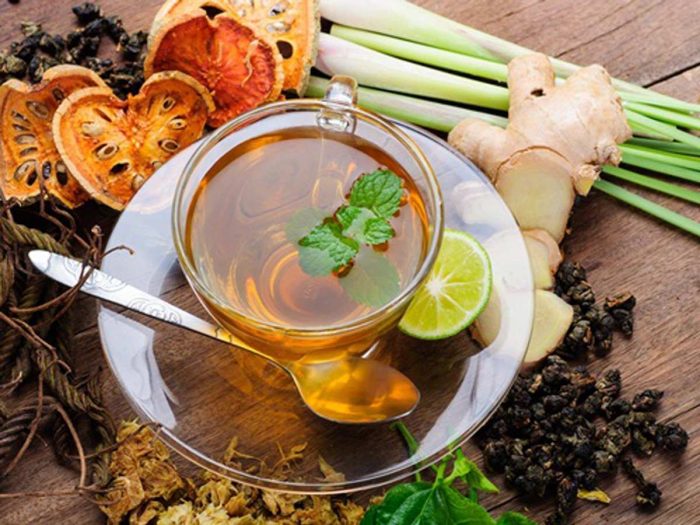
Soothe Your Sensitive Gums Naturally: The Best Herbal Teas for Relief
Dealing with sensitive gums can be a real pain, literally. Brushing and flossing become uncomfortable chores, and even enjoying a hot beverage can feel like a challenge. While professional dental care is crucial, exploring natural remedies like herbal teas can provide significant relief and contribute to long-term gum health. These teas offer a gentle approach to soothing inflammation and promoting healing, making your daily routine more comfortable and enjoyable.
Understanding Gum Sensitivity
Gum sensitivity arises from various factors, including gum recession (where gums pull away from the teeth, exposing the sensitive root surfaces), periodontal disease (gum infection), and even simply aggressive brushing. The exposed dentin, the layer beneath the enamel, contains microscopic tubules that lead directly to the nerves within the tooth. When these tubules are stimulated by hot, cold, sweet, or acidic substances, or even by pressure, you experience that sharp, shooting pain associated with sensitivity. This is why finding ways to calm inflammation and reduce irritation is so important for relief.
Herbal Teas to the Rescue
Fortunately, nature provides a wealth of remedies. Several herbal teas boast anti-inflammatory and antiseptic properties, making them excellent choices for soothing sensitive gums. These teas don't replace professional dental care â€" they complement it. Always consult your dentist or periodontist for diagnosis and treatment of gum disease.
Chamomile: The Calming Classic
Chamomile tea, known for its calming properties, is a popular choice for sensitive gums. Its anti-inflammatory compounds, particularly apigenin, help reduce swelling and irritation. Simply steep a chamomile tea bag in hot water, let it cool slightly, and then gently swish it around your mouth for a few minutes before spitting it out. The gentle warmth and soothing chamomile can provide noticeable relief.
Peppermint: A Refreshing Remedy
Peppermint tea offers a refreshing and cooling sensation that can temporarily numb sensitive areas. The menthol in peppermint acts as a mild anesthetic, providing immediate relief from discomfort. However, be mindful of the strength; too strong a brew can irritate already sensitive gums. Opt for a mild infusion and use it as a mouth rinse, just as you would with chamomile.
Green Tea: Packed with Antioxidants
Green tea, rich in antioxidants and polyphenols, boasts potent anti-inflammatory properties. These compounds combat the bacteria that contribute to gum inflammation, helping to prevent and reduce sensitivity. Regular consumption of green tea, both internally and as a mouth rinse (after cooling), can significantly improve gum health over time. Remember to use a mild brew to avoid potential irritation.
Other Beneficial Herbs
Beyond chamomile, peppermint, and green tea, other herbs offer potential benefits for sensitive gums. These include:
- Sage: Possesses antimicrobial and anti-inflammatory properties.
- Calendula: Known for its wound-healing and anti-inflammatory capabilities.
- Echinacea: Supports the immune system and can help fight infection.
Always start with small amounts of these herbs to check for any allergic reactions before incorporating them into your daily routine.
Important Considerations
While herbal teas offer a gentle approach to gum sensitivity relief, they are not a replacement for professional dental care. If you experience persistent or severe gum pain, bleeding, or swelling, consult your dentist or periodontist immediately. They can accurately diagnose the cause of your sensitivity and recommend the appropriate treatment, which might include scaling and root planing, or other periodontal therapies.
Incorporating these herbal teas into your daily routine can be a supportive addition to your oral hygiene regimen, providing a natural and gentle way to manage gum sensitivity and promote overall oral health. Remember to maintain a consistent oral hygiene routine, including brushing, flossing, and regular dental check-ups, for optimal results.


No comments:
Post a Comment
Note: Only a member of this blog may post a comment.