


Utilizing Probiotics to Enhance Gum Health and Prevent Gingivitis
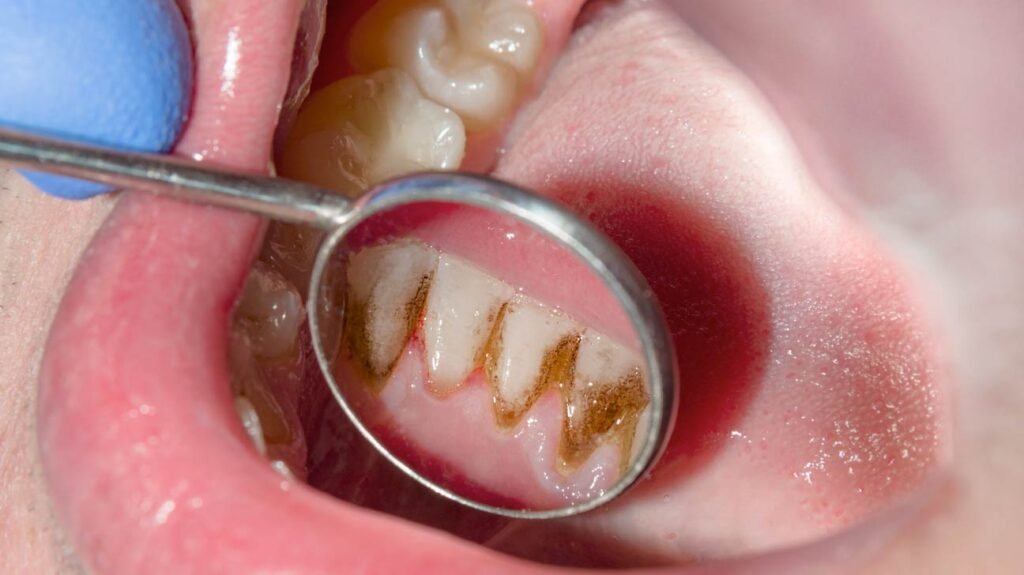
Gingivitis, the initial stage of periodontal disease, is a prevalent inflammatory condition affecting the gums. Characterized by redness, swelling, and bleeding, gingivitis, if left untreated, can progress to periodontitis, leading to tooth loss. While traditional methods of prevention and treatment involve meticulous oral hygiene and professional cleanings, emerging research suggests a promising adjuvant therapy: probiotics. This article delves into the current understanding of the role probiotics play in strengthening gums and preventing gingivitis, exploring the mechanisms of action, supporting evidence, and future research directions.
The Oral Microbiome and its Influence on Gum Health
The human oral cavity hosts a complex and dynamic ecosystem of microorganisms, collectively known as the oral microbiome. This diverse community comprises bacteria, archaea, fungi, and viruses, existing in a delicate balance. A healthy oral microbiome is characterized by a specific composition and abundance of these microorganisms, contributing to overall oral health. However, disruptions to this balance, termed dysbiosis, can lead to the development of various oral diseases, including gingivitis.
Dysbiosis and the Pathogenesis of Gingivitis
The pathogenesis of gingivitis is intricately linked to dysbiosis within the oral microbiome. An overgrowth of pathogenic bacteria, particularly Gram-negative anaerobic species such as Porphyromonas gingivalis, Tannerella forsythia, and Treponema denticola, is a hallmark of gingivitis. These bacteria produce various virulence factors, including lipopolysaccharides (LPS), proteases, and fimbriae, which contribute to the inflammatory response in the gums. The inflammatory cascade triggered by these virulence factors leads to the characteristic clinical manifestations of gingivitis: redness, swelling, bleeding, and ultimately, potential bone loss if the disease progresses.
Probiotics: A Potential Therapeutic Intervention
Probiotics, defined as live microorganisms that confer a health benefit on the host when administered in adequate amounts, have emerged as a potential therapeutic strategy for various health conditions, including oral diseases. By modulating the composition and function of the oral microbiome, probiotics can potentially restore the balance disrupted in gingivitis.
Mechanisms of Action of Probiotics in Gum Health
The beneficial effects of probiotics on gum health are multifaceted and involve several mechanisms:
- Competitive Exclusion: Probiotics compete with pathogenic bacteria for adhesion sites on the tooth surface and gingival epithelium, preventing their colonization and proliferation.
- Production of Antimicrobial Substances: Certain probiotic strains produce bacteriocins and other antimicrobial substances that inhibit the growth of pathogenic bacteria.
- Immunomodulation: Probiotics can modulate the host immune response by stimulating the production of antimicrobial peptides and cytokines, enhancing the body's defense against pathogenic bacteria.
- Enhancement of the Host’s Defence Mechanisms: Probiotics can strengthen the gingival epithelium barrier, reducing its permeability to bacterial toxins and improving its resistance to infection.
- Reduction of Inflammation: Probiotics can reduce the levels of inflammatory mediators, thereby mitigating the inflammatory response associated with gingivitis.
Evidence Supporting the Use of Probiotics in Gingivitis Prevention and Treatment
While the research on probiotics for gum health is still ongoing, several studies have shown promising results. Numerous in-vitro and in-vivo studies have demonstrated the inhibitory effects of specific probiotic strains against key periodontal pathogens. Clinical trials have also investigated the efficacy of probiotics in preventing and treating gingivitis. These trials have generally shown a reduction in gingival inflammation and bleeding on probing in individuals who received probiotic treatment compared to those in the control group. However, the results have been somewhat inconsistent, likely due to variations in the probiotic strains used, the study design, and the duration of the intervention.
Challenges and Limitations of Current Research
Despite the promising findings, several challenges remain in the field. The lack of standardization in probiotic strains, dosages, and delivery methods makes it difficult to compare results across different studies. Furthermore, the complexity of the oral microbiome and the intricate interplay between various microbial species and host factors require more sophisticated research methodologies to fully understand the mechanisms of action and efficacy of probiotics. Larger, well-designed, randomized controlled trials are needed to establish definitive evidence for the clinical effectiveness of probiotics in gingivitis prevention and treatment.
Future Directions and Considerations
Future research should focus on identifying the most effective probiotic strains for gingivitis prevention and treatment, optimizing the delivery methods (e.g., mouthwashes, chewing gums, lozenges), and establishing standardized protocols for clinical trials. Moreover, investigations into the synergistic effects of probiotics with other therapeutic strategies, such as improved oral hygiene practices and professional dental cleaning, are warranted. Personalized approaches based on the individual's oral microbiome profile may also enhance the efficacy of probiotic therapy.
The Role of Diet and Lifestyle in Enhancing Probiotic Efficacy
The effectiveness of probiotic therapy can be significantly influenced by diet and lifestyle choices. A diet rich in prebiotics, which are non-digestible food ingredients that promote the growth of beneficial bacteria, can enhance the colonization and persistence of probiotics in the oral cavity. Furthermore, maintaining good oral hygiene practices, including regular brushing and flossing, is essential for maximizing the benefits of probiotic therapy.
Conclusion
Probiotics hold considerable promise as a complementary approach in the prevention and management of gingivitis. While more research is needed to fully elucidate their mechanisms of action and optimize their application, the available evidence suggests that certain probiotic strains can effectively modulate the oral microbiome, reduce inflammation, and improve gum health. By integrating probiotic therapy with conventional approaches to oral health, we may be able to significantly improve the prevention and management of gingivitis and potentially reduce the incidence of more severe periodontal diseases. However, it's crucial to consult with a dental professional for diagnosis and treatment recommendations before considering the use of probiotics for gum health.


No comments:
Post a Comment
Note: Only a member of this blog may post a comment.