


Probiotics: A Natural Solution for Healthier Gums
The oral cavity, while seemingly a simple anatomical structure, is a complex ecosystem teeming with a diverse microbial population. Maintaining a balanced and beneficial oral microbiome is crucial for overall oral health, significantly impacting the prevention and management of gum disease, also known as periodontal disease. Emerging research highlights the potential of probiotics, live microorganisms that confer health benefits when administered in adequate amounts, as a promising natural approach to promoting healthier gums and combating the detrimental effects of harmful oral bacteria.
Understanding the Oral Microbiome and Periodontitis
The human mouth harbors hundreds of bacterial species, forming a dynamic community that interacts with the host's immune system and influences oral health outcomes. A balanced microbiome, characterized by a diverse population of beneficial bacteria, contributes to a healthy oral environment. However, disruptions in this delicate balance, often triggered by poor oral hygiene, systemic diseases, or genetic predispositions, can lead to dysbiosis â€" an imbalance favoring harmful bacteria.
Periodontitis, a chronic inflammatory disease, arises from this dysbiosis. It is characterized by the progressive destruction of the supporting tissues of the teeth, including the gums (gingiva), periodontal ligament, and alveolar bone. The primary culprits are Gram-negative anaerobic bacteria, such as Porphyromonas gingivalis, Tannerella forsythia, and Aggregatibacter actinomycetemcomitans, which produce potent inflammatory mediators and contribute to the breakdown of periodontal tissues.
The Role of Inflammation in Gum Disease
Inflammation is a central feature of periodontitis. Harmful oral bacteria trigger an immune response, leading to the release of inflammatory cytokines and other mediators. This inflammatory cascade causes tissue damage, resulting in gingival inflammation (gingivitis), progressive attachment loss, and ultimately, tooth loss. Chronic inflammation associated with periodontitis has also been linked to systemic conditions, including cardiovascular disease, diabetes, and rheumatoid arthritis.
Probiotics: Modulating the Oral Microbiome for Gum Health
Probiotics offer a potential strategy to restore the balance of the oral microbiome and mitigate the effects of harmful bacteria. By introducing beneficial bacteria into the oral cavity, probiotics can compete with pathogenic species for nutrients and attachment sites, thereby reducing their colonization and virulence. Furthermore, certain probiotic strains exhibit antimicrobial activity, directly inhibiting the growth of harmful bacteria through the production of bacteriocins or other inhibitory substances.
Mechanisms of Action of Probiotic Bacteria in Oral Health
The mechanisms by which probiotics contribute to healthier gums are multifaceted and include:
- Competitive exclusion: Probiotics compete with pathogens for binding sites on the tooth surface and mucosal tissues, limiting their colonization and spread.
- Production of antimicrobial substances: Some probiotic strains produce bacteriocins, hydrogen peroxide, or other compounds that inhibit the growth of pathogenic bacteria.
- Immunomodulation: Probiotics can modulate the host immune response, reducing inflammation and promoting tissue repair. They can achieve this by influencing the production of cytokines and other immune mediators.
- Enhancement of the epithelial barrier: Probiotics can strengthen the integrity of the gingival epithelium, reducing its permeability to harmful bacteria and their toxins.
- Production of beneficial metabolites: Certain probiotic strains produce metabolites that have beneficial effects on the oral environment, such as short-chain fatty acids that may modulate immune responses.
Specific Probiotic Strains with Potential Benefits for Gum Health
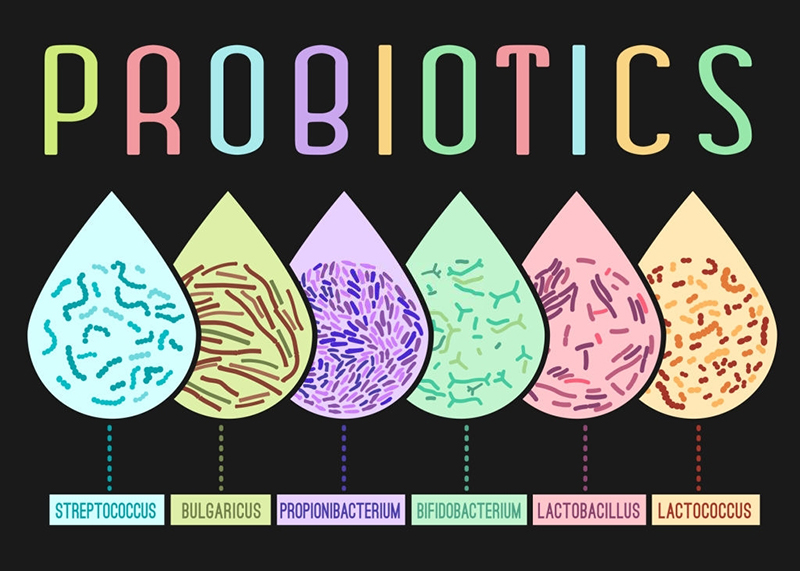
While research is ongoing, several probiotic strains have shown promise in improving oral health parameters. These include:
- Lactobacillus reuteri: This strain has demonstrated anti-inflammatory effects and the ability to inhibit the growth of Porphyromonas gingivalis.
- Lactobacillus rhamnosus: Studies suggest its potential to reduce gingival inflammation and improve periodontal parameters.
- Streptococcus salivarius K12: This strain is known for its ability to inhibit the growth of Streptococcus mutans, a key contributor to dental caries.
- Weissella cibaria: Research indicates its potential to modulate the inflammatory response in periodontal disease.
It's crucial to note that the efficacy of probiotics can vary depending on the specific strain, the dosage, and the individual's oral health status. Furthermore, the formulation of the probiotic product, including the delivery method, can influence its effectiveness.
Clinical Evidence and Future Directions
Although the evidence supporting the use of probiotics for gum health is growing, more large-scale, well-designed clinical trials are needed to establish definitive conclusions. Many existing studies are relatively small and have methodological limitations. Future research should focus on identifying the optimal probiotic strains, dosages, and delivery methods for achieving significant clinical improvements in periodontal disease.
Furthermore, research should investigate the potential synergistic effects of combining probiotics with other therapeutic interventions, such as professional cleaning and antimicrobial therapy. A personalized approach, tailored to the individual's unique oral microbiome profile, may prove to be the most effective strategy for managing periodontal disease.
Challenges and Considerations
Several challenges remain in translating probiotic research into widespread clinical practice. These include:
- Standardization of probiotic products: The lack of standardization in probiotic formulations makes it difficult to compare the results of different studies.
- Delivery methods: The optimal method for delivering probiotics to the oral cavity (e.g., mouthwash, chewing gum, lozenges) needs further investigation.
- Individual variations: The response to probiotics can vary significantly among individuals, depending on their genetic makeup and oral microbiome composition.
- Long-term effects: Long-term studies are needed to assess the sustained effects of probiotics on gum health.
Conclusion
Probiotics hold considerable promise as a natural and complementary approach to promoting healthier gums and combating periodontal disease. Their ability to modulate the oral microbiome, reduce inflammation, and inhibit the growth of harmful bacteria offers a compelling rationale for their further investigation and clinical application. While more research is needed to fully elucidate their efficacy and optimize their use, probiotics represent a potentially valuable tool in the armamentarium of strategies for preventing and managing gum disease and maintaining overall oral health.


No comments:
Post a Comment
Note: Only a member of this blog may post a comment.