


Top Probiotics for Oral Microbiome Balance and Preventing Oral Diseases
Hey everyone! Let's talk about something super important, but often overlooked: your oral microbiome. Think of your mouth as a tiny ecosystem teeming with bacteria, good and bad. Keeping that ecosystem balanced is key to healthy teeth and gums, and that’s where probiotics come in! We're going to dive deep into the world of probiotics and how they can help you achieve a happy, healthy mouth.Understanding Your Oral Microbiome
Your mouth is home to hundreds of different bacterial species. Some are beneficial, helping to protect against harmful bacteria and even contributing to overall oral health. Others, well, not so much. These "bad" bacteria can lead to all sorts of problems, like cavities, gum disease (gingivitis and periodontitis), and even bad breath.
The balance between these good and bad bacteria is crucial. When the balance tips too far in favor of the harmful bacteria, you're more likely to experience oral health issues. Think of it like a garden â€" you need a good mix of plants to thrive, and if weeds take over, the whole thing suffers. Probiotics are like adding beneficial plants to your oral garden!
The Role of Probiotics in Oral Health
Probiotics, essentially, are live microorganisms that, when consumed in adequate amounts, confer a health benefit on the host. In the context of oral health, they work in several ways to tip the scales back in favor of the good guys:
- Competing for resources: Beneficial bacteria compete with harmful bacteria for nutrients and space, making it harder for the bad bacteria to multiply.
- Producing antimicrobial substances: Some probiotics produce substances that directly inhibit the growth of harmful bacteria, essentially creating a natural defense system.
- Strengthening the immune system: Probiotics can stimulate the immune response in the mouth, making your body better at fighting off infections.
- Reducing inflammation: Inflammation is a major factor in gum disease. Probiotics can help reduce inflammation, protecting your gums.
Top Probiotics for Oral Health
While research is ongoing and constantly evolving, several probiotic strains have shown promising results in improving oral health. Remember, it's always best to consult your dentist or doctor before starting any new probiotic regimen, especially if you have pre-existing health conditions.
Lactobacillus strains:
Several strains within the Lactobacillus genus have been studied extensively. Lactobacillus rhamnosus, Lactobacillus casei, and Lactobacillus salivarius are among those showing potential benefits in reducing plaque, gingivitis, and even halitosis (bad breath). These guys are hard workers!
Streptococcus strains:
Don't let the name scare you! While some Streptococcus bacteria are harmful, certain strains, like Streptococcus salivarius K12, have shown potential in improving oral health. They can help maintain a healthy balance within the oral microbiome.
Weissella strains:
Weissella cibaria is another probiotic strain gaining attention for its potential role in oral health. Research suggests it might help combat harmful bacteria and reduce inflammation.
How to Incorporate Probiotics into Your Oral Health Routine
There are several ways to introduce beneficial probiotics into your oral care regimen:
- Probiotic mouthwashes and toothpastes: Many companies now offer oral care products containing probiotics. These are a convenient way to directly target the oral microbiome.
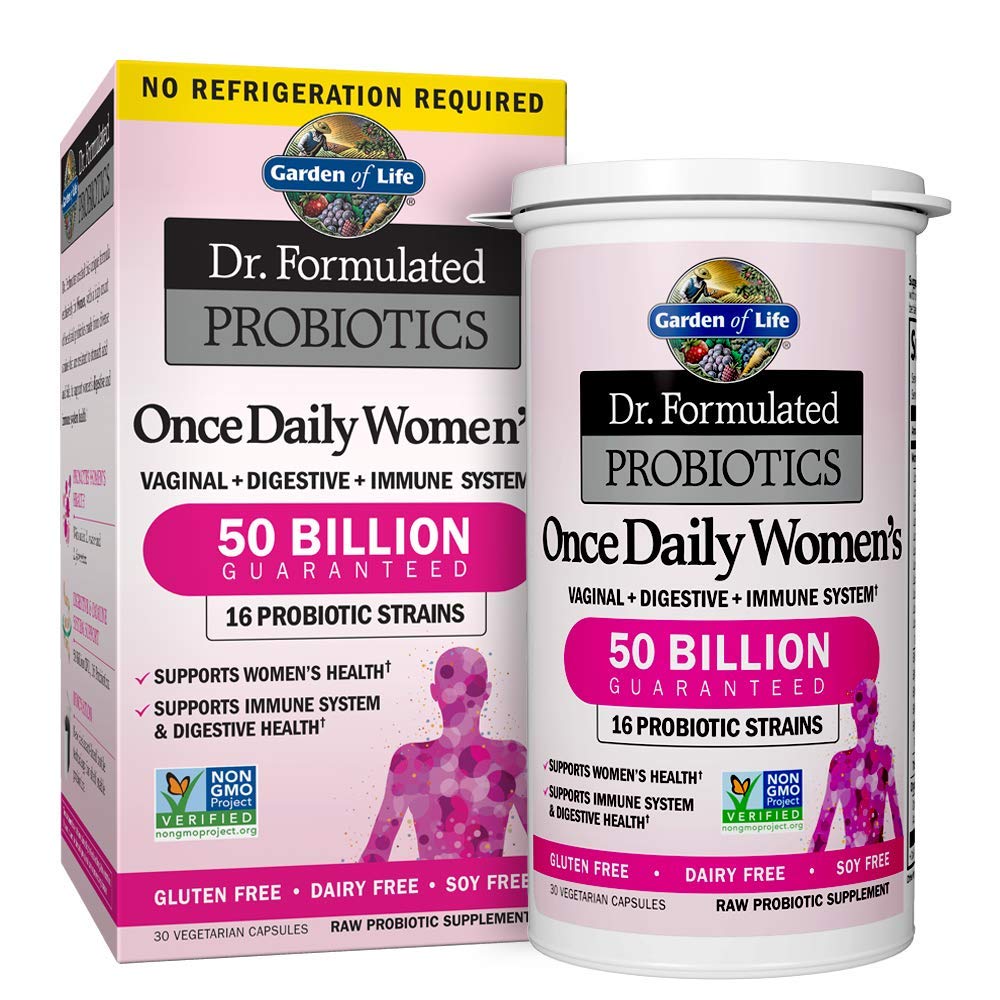
- Probiotic supplements: You can find probiotic supplements in capsule or powder form. Make sure to choose a product that lists specific strains and their CFUs (colony-forming units), indicating the number of live bacteria.
- Probiotic-rich foods: While not directly targeting the oral microbiome in the same way as topical products or supplements, consuming foods rich in probiotics, like yogurt with live cultures, kefir, and sauerkraut, can support overall gut health, which can indirectly benefit oral health.
Important Considerations
While probiotics offer a promising avenue for improving oral health, it's essential to remember that they're not a magic bullet. They are best used in conjunction with a comprehensive oral hygiene routine, including:
- Brushing twice daily with fluoride toothpaste: This remains the cornerstone of preventing cavities.
- Flossing daily: This helps remove plaque and food particles from between your teeth.
- Regular dental checkups and cleanings: Your dentist can detect and address any issues early on.
- Healthy diet: A balanced diet low in sugar is crucial for a healthy mouth.
Also, remember that not all probiotic products are created equal. Look for products with research-backed strains and clearly stated CFUs. And always consult your dentist or doctor before starting any new probiotic regimen, especially if you have any health concerns.
Commonly Asked Questions
Q: Will probiotics cure my gum disease?
A: Probiotics can help improve gum health by reducing inflammation and combating harmful bacteria, but they are not a cure for gum disease. For severe gum disease, you need professional dental treatment.
Q: How long does it take to see results from using oral probiotics?
A: It varies depending on the individual and the product, but you might start to notice improvements in your oral health within a few weeks of consistent use. However, maintaining a balanced oral microbiome is an ongoing process.
Q: Are there any side effects of using oral probiotics?
A: Side effects are generally rare, but some people might experience mild digestive discomfort, such as gas or bloating, especially when first starting probiotic use. If you experience any significant side effects, stop using the product and consult your doctor.
Q: Can I use oral probiotics with other medications?
A: It's always best to check with your doctor or dentist before combining probiotics with other medications, especially if you're taking antibiotics or immunosuppressants. Some interactions are possible.
Q: Where can I find oral probiotics?
A: You can find probiotic mouthwashes, toothpastes, and supplements at many health food stores, pharmacies, and online retailers. Make sure to choose reputable brands.
I hope this comprehensive guide has helped you understand the role of probiotics in maintaining a healthy oral microbiome. Remember, a healthy mouth is a happy mouth! And always consult your dentist or doctor for personalized advice.


No comments:
Post a Comment
Note: Only a member of this blog may post a comment.