


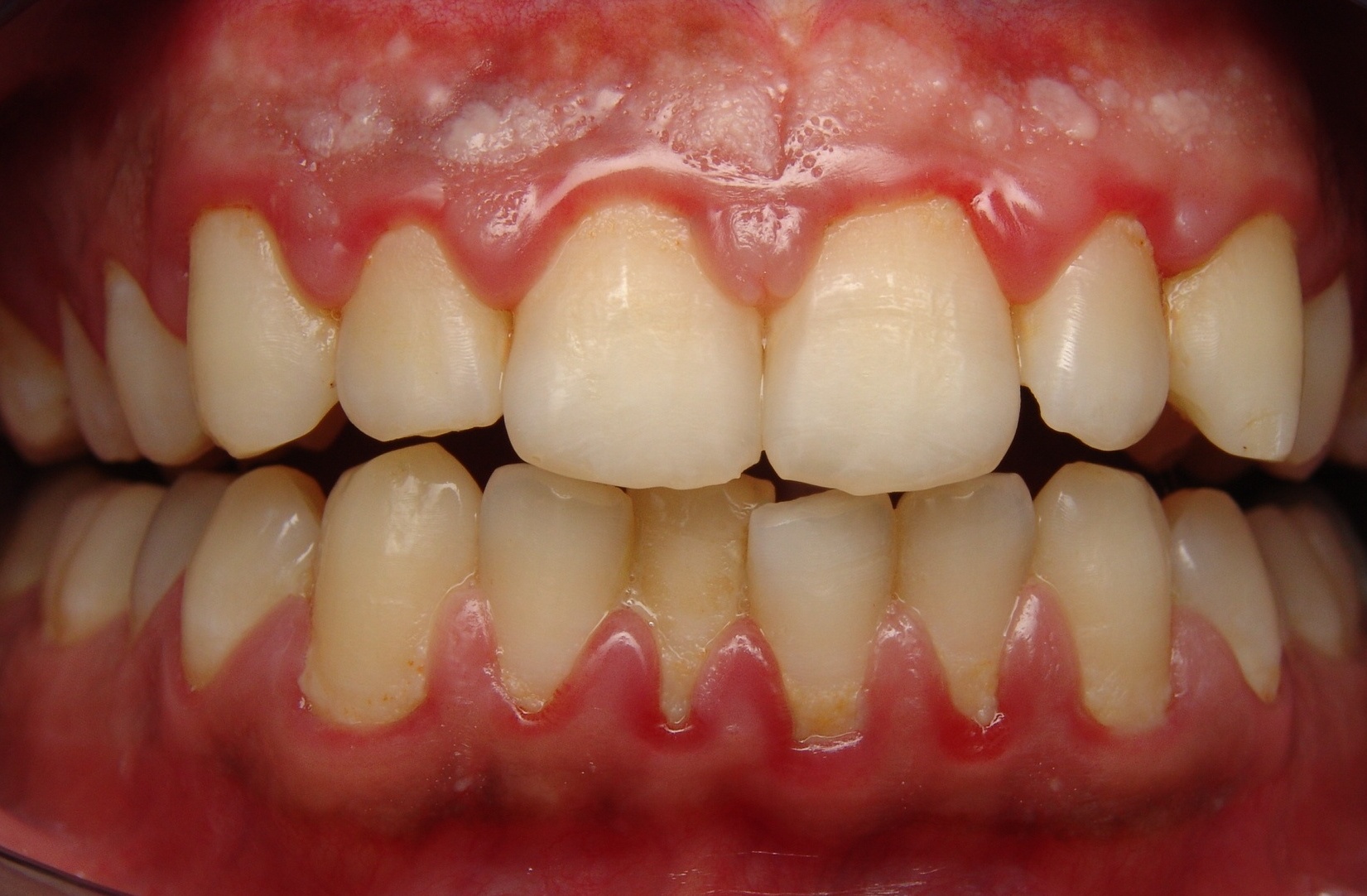
Are White Gums a Sign of Gum Disease? How to Know for Sure
Hey there! So, you've noticed something a little…off…with your gums. They're looking a bit whiter than usual, and now you're worried. Totally understandable! White gums can be a bit of a red flag (pun intended!), and it's smart to investigate. Let's dive into whether white gums are always a sign of gum disease, and how you can figure out what's going on with your mouth.
Understanding the Normal Color of Gums
Before we jump into the worrying stuff, let's talk about what "normal" looks like. Healthy gums are usually a pinkish hue. Think of a healthy, blushing peach â€" that's the kind of color you're aiming for. The shade can vary a little from person to person, influenced by things like skin tone, but it should generally be a relatively even, consistent pink.
Why Might My Gums Be White?
Now, let's tackle the million-dollar question: why are your gums white? Several things can cause this discoloration, ranging from totally harmless to something that needs immediate attention. Let's break down some of the possibilities:
Gum Disease (Gingivitis and Periodontitis)
Yes, this is one of the major culprits. Gum disease, encompassing both gingivitis (the early stage) and periodontitis (the more advanced stage), can cause your gums to appear white. This happens because the inflammation and infection often lead to reduced blood flow to the gums, resulting in that pale, sometimes almost greyish-white appearance. Other symptoms of gum disease often accompany the white gums, including:
- Swollen or puffy gums
- Bleeding gums, especially when brushing or flossing
- Receding gum line (your gums appear to be pulling away from your teeth)
- Persistent bad breath
- Loose teeth
- Pus around your teeth
If you notice any of these symptoms alongside white gums, schedule a dental appointment immediately. Early intervention is key to preventing serious damage and tooth loss.
Leukoplakia
Leukoplakia is a condition that causes white patches or spots to develop on the mucous membranes in your mouth. While it's often harmless, in some cases, it can be a precursor to oral cancer. Leukoplakia patches are usually thick and leathery, unlike the pale, somewhat translucent look often seen with gum disease. Your dentist will be able to differentiate between the two and recommend appropriate treatment if necessary.
Lichen Planus
Lichen planus is a chronic inflammatory condition that can affect the skin and mucous membranes, including the gums. It can manifest as white, lacy patches on the gums and inside the cheeks. While it's not directly a gum disease, it can be uncomfortable and requires professional diagnosis and management.
Medication Side Effects
Believe it or not, some medications can cause your gums to appear whiter than usual. This is often a side effect that's not typically a major cause for concern, but it's something to mention to your doctor or dentist if you're taking any new medications.
Oral Hygiene Habits
While not directly causing the white color, poor oral hygiene can certainly contribute to the overall health of your gums and potentially make any existing issues worse. If you're not brushing and flossing regularly, you're more susceptible to gum disease and other oral health problems.
Nutritional Deficiencies
In rare cases, nutritional deficiencies can affect the appearance of your gums. This is often accompanied by other symptoms, such as fatigue or weakness. If you suspect this might be a factor, consult your doctor.
How to Know for Sure: See Your Dentist!
The bottom line is this: don't try to diagnose yourself. While I've outlined several possibilities, only a dentist can accurately determine the cause of your white gums. They have the expertise and tools to properly examine your mouth, take x-rays if needed, and rule out serious conditions.
Your dentist will be able to assess the overall health of your gums, look for signs of infection or inflammation, and determine if there are any underlying issues that require treatment. They can also provide personalized recommendations for maintaining optimal oral health.
Preventing Gum Disease
Regardless of why your gums are white, maintaining good oral hygiene is crucial for overall gum health. Here are some tips:
- Brush your teeth twice a day with fluoride toothpaste for at least two minutes each time.
- Floss daily to remove plaque and food particles from between your teeth.
- Use an antimicrobial mouthwash as directed by your dentist.
- Visit your dentist for regular checkups and professional cleanings.
- Maintain a healthy diet and limit sugary drinks and snacks.
- Quit smoking or using tobacco products.
Commonly Asked Questions
Here are some frequently asked questions about white gums:
Q: Will white gums always indicate a problem?
A: No, not necessarily. While white gums can be a sign of gum disease, they can also be caused by other factors, such as medication side effects or certain medical conditions. A dental exam is crucial to determine the underlying cause.
Q: How quickly should I see a dentist if I notice white gums?
A: It's best to schedule an appointment as soon as possible, especially if you're experiencing other symptoms like bleeding, swelling, or loose teeth. Early detection and treatment of gum disease are vital.
Q: Can white gums be treated?
A: The treatment depends on the underlying cause. If it's gum disease, treatment may involve professional cleaning, scaling, and root planing. Other conditions may require different approaches. Your dentist will develop a personalized treatment plan based on your specific needs.
Q: Can I prevent white gums?
A: You can significantly reduce your risk by practicing excellent oral hygiene, visiting your dentist regularly for checkups and cleanings, and maintaining a healthy lifestyle. This will help prevent gum disease and other oral health problems.
Remember, your oral health is an important part of your overall well-being. Don't hesitate to reach out to your dentist if you have any concerns. Taking proactive steps towards better oral hygiene can go a long way in keeping your smile healthy and bright!


No comments:
Post a Comment
Note: Only a member of this blog may post a comment.