


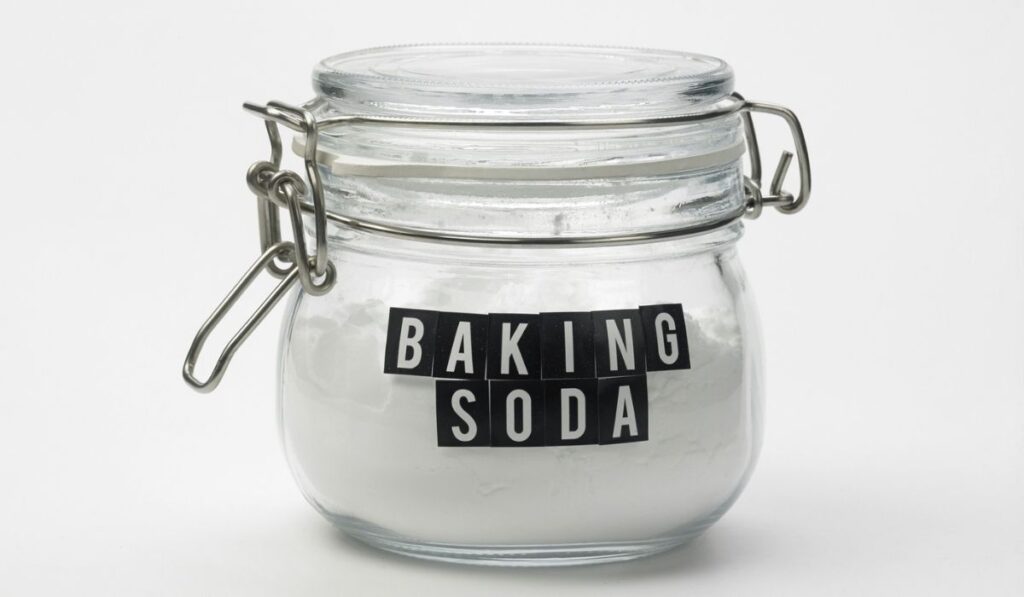
Baking Soda: Your Secret Weapon Against Brace-Related Gum Pain
So, you've got braces. Congratulations! You're on your way to a straighter, healthier smile. But let's be real, the journey isn't always a walk in the park. One of the most common complaints from brace-wearers is gum pain and irritation. That constant pressure, those pesky wires digging in… it's enough to make anyone want to rip the whole thing off! (Don't do that, by the way. Just… don't.) But what if I told you there's a simple, inexpensive, and readily available solution that can significantly ease your discomfort? Enter baking soda.
Yes, that humble box of baking soda you probably already have in your pantry might just be your new best friend during your orthodontic journey. It's not a miracle cure, of course, but it can provide significant relief from the gum pain and inflammation associated with braces. Let's dive into how it works and how you can safely use it.
Why Baking Soda Works Wonders on Sore Gums
Baking soda, or sodium bicarbonate, is a mild alkali. This means it helps to neutralize acids. And guess what? Bacteria in your mouth produce acids that contribute to inflammation and irritation, especially around your braces. These acids can also contribute to gingivitis, which is inflammation of the gums â€" a common problem for brace wearers. The brackets and wires create tiny spaces where food particles get trapped, leading to a breeding ground for bacteria. That's where baking soda steps in.
By neutralizing these acids, baking soda helps to create a more balanced pH level in your mouth. This reduction in acidity helps soothe irritated gums, reducing inflammation and pain. It's like giving your gums a gentle hug, neutralizing the nasty stuff that's causing them to hurt.
How to Use Baking Soda for Brace-Related Gum Pain
Using baking soda for gum pain relief is surprisingly straightforward, but there are a few key things to remember to ensure you're doing it safely and effectively.
The Baking Soda Rinse
This is the most common and often most effective method. Simply mix about a half-teaspoon of baking soda into a glass of warm water. Swish this solution around your mouth for about 60 seconds, making sure to get it between your teeth and around your braces. Then, spit it out and rinse with plain water. Don't swallow the mixture! It's not harmful in small amounts, but it's not meant to be ingested.
How often should you do this? Once or twice a day is generally sufficient. You might find you need it more often when your braces are freshly tightened or if you're experiencing particularly severe discomfort. Listen to your body and adjust accordingly.
Baking Soda Paste
For more targeted relief, you can create a paste. Mix a small amount of baking soda with a tiny bit of water to form a paste. Gently apply this paste to the areas of your gums that are most irritated using your finger or a soft-bristled toothbrush. Leave it on for a minute or two before rinsing your mouth thoroughly.
Important Note: Don't scrub aggressively! Your gums are already sensitive; you don't want to make things worse. Gentle application is key.
Combining Baking Soda with Other Remedies
Baking soda can be a powerful tool on its own, but its effects can be enhanced when combined with other natural remedies. For example, mixing a small amount of baking soda with salt can create a slightly more abrasive paste that can help remove food particles trapped around your braces. The salt also has some mild antiseptic properties.
Important Considerations and Cautions
While baking soda is generally safe, it's essential to use it responsibly. Here are a few important points to keep in mind:
- Don't overuse it: While baking soda is gentle, using it excessively can potentially disrupt the natural pH balance in your mouth, leading to other problems. Stick to the recommended usage frequency.
- Monitor for sensitivity: If you experience any increased sensitivity or irritation, discontinue use and consult your orthodontist or dentist.
- It's not a replacement for professional care: Baking soda can help manage discomfort, but it's not a substitute for regular dental checkups and professional cleaning. Keep up with your scheduled appointments with your orthodontist.
- Don't swallow it: Remember, baking soda is not meant for ingestion. Always rinse thoroughly after use.
- Check for allergies: While rare, some individuals might have sensitivities to baking soda. If you experience any allergic reactions, discontinue use immediately.
Beyond Baking Soda: Other Tips for Brace-Related Gum Pain
Baking soda is a great tool, but it's part of a larger strategy for managing brace-related gum pain. Here are a few other things you can do:
- Maintain excellent oral hygiene: Brush and floss meticulously, at least twice a day. Use a soft-bristled toothbrush and gentle flossing techniques.
- Use a fluoride mouthwash: Fluoride helps strengthen your enamel and prevents cavities, which can further irritate your gums.
- Eat soft foods: When your gums are particularly sore, opt for softer foods that are easier to chew and less likely to irritate your braces and gums.
- Use orthodontic wax: This wax can help cushion any sharp edges on your braces that might be causing irritation.
- Stay hydrated: Drinking plenty of water helps keep your mouth clean and reduces the buildup of bacteria.
- Over-the-counter pain relievers: If the pain is severe, consider taking over-the-counter pain relievers like ibuprofen or acetaminophen, but always follow the recommended dosage.
Frequently Asked Questions (FAQs)
Here are some frequently asked questions about using baking soda for brace-related gum pain:
Q: How long does it take to see results from using baking soda?
A: You might notice some relief within a few uses, but it often takes consistent use over a few days to see a significant improvement in gum pain and inflammation.
Q: Can I use baking soda every day?
A: It's generally safe to use baking soda once or twice a day. However, if you notice any increased sensitivity or irritation, reduce the frequency of use.
Q: Can baking soda damage my braces?
A: No, baking soda is not abrasive enough to damage your braces. However, ensure you're not scrubbing aggressively when applying a paste.
Q: What if baking soda doesn't help my gum pain?
A: If your gum pain persists or worsens despite using baking soda and practicing good oral hygiene, it's crucial to contact your orthodontist or dentist. There might be an underlying issue that requires professional attention.
Q: Is baking soda better than commercial mouthwashes?
A: Baking soda can be a helpful addition to your oral hygiene routine, but it’s not a replacement for mouthwash or professional dental care. Commercial mouthwashes often contain ingredients that target specific bacteria, while baking soda focuses on neutralizing acids. The best approach is often a combination of both.
Remember, while baking soda can be a valuable tool in managing brace-related gum pain, it's always best to consult with your orthodontist or dentist if you have concerns about your oral health. They can provide personalized advice and address any underlying issues contributing to your discomfort.


No comments:
Post a Comment
Note: Only a member of this blog may post a comment.