


Natural Oral Care: The Benefits of Probiotics and Xylitol for Your Teeth
Maintaining optimal oral health is crucial for overall well-being. While traditional dental practices remain essential, a growing body of research highlights the significant benefits of natural approaches, particularly the use of probiotics and xylitol, in promoting oral hygiene and preventing dental diseases. This article explores the scientific evidence supporting the incorporation of these natural agents into a comprehensive oral care regimen.
The Role of Probiotics in Oral Health
Probiotics, defined as live microorganisms that confer a health benefit on the host when administered in adequate amounts, are increasingly recognized for their potential to improve oral health. The oral cavity is a complex ecosystem teeming with a diverse array of bacteria, both beneficial and harmful. A balanced microbiome, characterized by a favorable ratio of beneficial to harmful bacteria, is essential for maintaining oral health. Probiotics can help tilt this balance in favor of beneficial bacteria, thereby reducing the risk of various oral diseases.
Mechanism of Action
Probiotics exert their beneficial effects through a variety of mechanisms. These include:
- Competitive exclusion: Beneficial bacteria compete with harmful bacteria for resources and attachment sites on the tooth surface, preventing the colonization and proliferation of pathogens.
- Production of antimicrobial substances: Certain probiotic strains produce bacteriocins and other antimicrobial compounds that directly inhibit the growth of harmful bacteria such as Streptococcus mutans, a primary causative agent of dental caries.
- Modulation of the immune response: Probiotics can enhance the immune response by stimulating the production of antibodies and other immune mediators, strengthening the body's natural defenses against oral pathogens.
- Enhancement of saliva production: Some studies suggest that certain probiotics can increase saliva production, which plays a crucial role in neutralizing acids, removing food debris, and remineralizing tooth enamel.
- Reduction of inflammation: Probiotics can reduce inflammation in the gums, contributing to the prevention and treatment of gingivitis and periodontitis.
Evidence-Based Support
Numerous studies have investigated the efficacy of probiotics in improving oral health. While the results are not universally consistent, a significant body of evidence suggests that certain probiotic strains, particularly those belonging to the genera Lactobacillus and Bifidobacterium, can effectively reduce the incidence of dental caries and gingivitis. For example, several clinical trials have demonstrated a reduction in S. mutans levels and an improvement in gingival health following the administration of probiotic supplements or oral rinses containing specific probiotic strains. However, more large-scale, well-designed studies are needed to definitively establish the clinical benefits of probiotics for oral health.
Probiotic Delivery Methods
Probiotics can be delivered through various methods, including:
- Oral supplements: These are convenient and readily available, but their efficacy can be variable depending on the strain and dosage.
- Oral rinses: These provide direct contact with the oral mucosa and can deliver a higher concentration of probiotics to the target area.
- Chewing gums and lozenges: These offer a pleasant delivery method and can stimulate saliva production, further enhancing the effectiveness of probiotics.
The Benefits of Xylitol in Oral Health
Xylitol, a naturally occurring sugar alcohol found in various fruits and vegetables, has gained significant attention for its unique properties in promoting oral health. Unlike sucrose (table sugar), xylitol is not readily metabolized by S. mutans, preventing the production of acids that contribute to dental caries.
Mechanism of Action
Xylitol's beneficial effects are primarily attributed to its following properties:
- Inhibition of S. mutans growth: Xylitol prevents the adherence and growth of S. mutans, reducing the bacterial load in the oral cavity.
- Reduction of acid production: By not being metabolized by S. mutans, xylitol prevents the production of lactic acid, the primary acid responsible for tooth demineralization.
- Stimulation of saliva production: Xylitol increases saliva flow, which helps neutralize acids, remove food debris, and remineralize enamel.
- Enhancement of remineralization: Xylitol can increase the uptake of calcium and phosphate ions by enamel, promoting remineralization and strengthening the tooth structure.
Evidence-Based Support
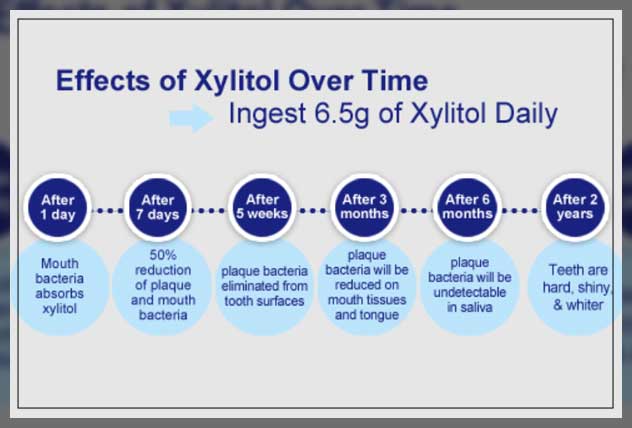
Extensive research has demonstrated the effectiveness of xylitol in preventing dental caries. Numerous clinical trials have shown that the regular consumption of xylitol, in various forms such as chewing gum and lozenges, significantly reduces the incidence of caries in both children and adults. The effectiveness of xylitol is dose-dependent, with higher doses generally resulting in greater caries-reducing effects. However, it's crucial to note that excessive consumption of xylitol can lead to gastrointestinal discomfort in some individuals.
Xylitol Delivery Methods
Xylitol is available in a variety of forms, including:
- Chewing gum: This is a popular and effective method for delivering xylitol, as chewing stimulates saliva production and ensures prolonged contact with the teeth.
- Lozenges: Similar to chewing gum, lozenges provide sustained exposure to xylitol in the mouth.
- Mouthwash: Xylitol-containing mouthwashes can provide a supplementary means of oral hygiene.
- Pastes and powders: Xylitol can be incorporated into toothpastes and tooth powders to enhance their caries-protective properties.
Combining Probiotics and Xylitol for Synergistic Effects
While both probiotics and xylitol offer significant benefits on their own, combining them may offer synergistic effects in enhancing oral health. The combined action of probiotics in inhibiting bacterial growth and xylitol in preventing acid production could create a powerful defense against dental caries and other oral diseases. Further research is needed to fully elucidate the synergistic potential of these natural agents.
Conclusion
The use of probiotics and xylitol represents a promising natural approach to enhancing oral hygiene and preventing dental diseases. While more research is needed to fully understand the mechanisms of action and optimal delivery methods, the existing evidence strongly supports the incorporation of these agents into a comprehensive oral care regimen. In conjunction with regular brushing, flossing, and professional dental checkups, probiotics and xylitol can contribute significantly to achieving and maintaining optimal oral health throughout life. However, it's crucial to consult with a dentist or healthcare professional before incorporating any new oral care products or supplements into your routine.


No comments:
Post a Comment
Note: Only a member of this blog may post a comment.