


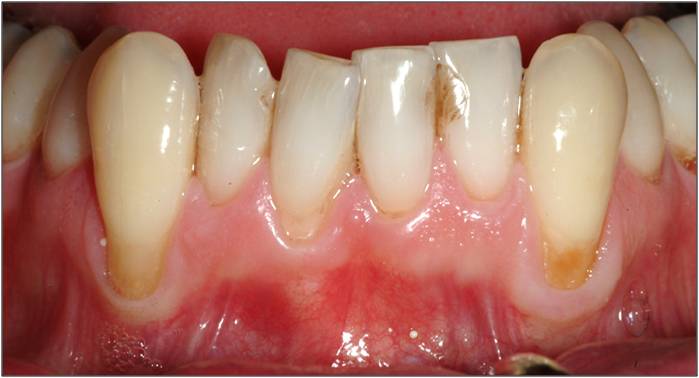
Is It Safe to Ignore White Gums? Understanding the Risks
Hey everyone! Let's talk about something that might be lurking in your mouth â€" white patches on your gums. Now, I'm not a dentist, so this isn't medical advice, but I've done some research and want to share what I've learned. Seeing white spots on your gums can be a bit alarming, and you might be tempted to ignore them. But trust me, that's often not the best idea. Let's dive into why.
What Causes White Patches on Gums?
Before we get into the "should you ignore it?" part, it's crucial to understand what might be causing those pesky white patches. There's a whole range of possibilities, from relatively harmless to something that needs professional attention ASAP.
Simple, Often Harmless Causes:
- Dry Mouth: If you're dehydrated or taking certain medications that dry your mouth out, your gums can become dry and whitish. This is usually easily remedied by drinking more water and perhaps using a saliva substitute.
- Oral Thrush (Candidiasis): This fungal infection is pretty common, especially in people with weakened immune systems, babies, and those who wear dentures. It presents as creamy white patches that can be wiped off, often leaving a red, sore area underneath. It's treatable with antifungal medication.
- Leukoplakia: This is a bit more serious. Leukoplakia appears as white patches that *cannot* be easily wiped away. While usually benign, it's important to get it checked by a dentist because in rare cases, it can be a precursor to oral cancer.
- Lichen Planus: This is a chronic inflammatory condition that can affect the skin and mucous membranes, including the gums. It shows up as white lacy patches or raised bumps. It's not contagious but can be uncomfortable.
More Serious Causes:
- Oral Cancer: This is the big one that we need to address directly. White patches on the gums, especially those that are persistent, don't heal, or are accompanied by other symptoms like bleeding, pain, or lumps, could be a sign of oral cancer. Early detection is crucial for successful treatment, so don't delay seeing a professional.
Why Ignoring White Gums Is Risky
Now, let's talk about why ignoring those white patches is a gamble you shouldn't take. Even if it turns out to be something minor like dry mouth, delaying treatment can lead to complications.
For example, leaving oral thrush untreated can lead to discomfort, difficulty eating, and a potential spread of the infection. And as we've already mentioned, ignoring potential signs of oral cancer can have devastating consequences. Early diagnosis dramatically improves the chances of successful treatment. The longer you wait, the more the cancer may spread, making treatment more difficult and less effective.
It’s also important to remember that many of these conditions have similar initial presentations. Differentiating between a harmless dry mouth and a serious condition like leukoplakia or oral cancer is nearly impossible without a professional examination. Therefore, simply assuming it’s "nothing" is a risk you shouldn't take.
When to See a Dentist
Honestly, if you're noticing white patches on your gums, it's best to err on the side of caution and schedule an appointment with your dentist or doctor. Don't wait for it to "get worse" or "go away on its own." Here's a quick checklist to help you decide when to seek professional help:
- The white patches are persistent and haven't disappeared after a week or two.
- The patches are accompanied by pain, bleeding, or difficulty swallowing.
- The patches are raised, thick, or feel rough.
- You have a weakened immune system or are taking medications that suppress the immune system.
- You have a history of smoking or excessive alcohol consumption (significant risk factors for oral cancer).
- You have a family history of oral cancer.
- You're simply worried and want a professional opinion.
Remember, it’s much better to get a professional opinion and have peace of mind than to ignore a potential problem and regret it later.
What to Expect at the Dentist
Your dentist will likely conduct a thorough oral examination, taking a look at the affected area and possibly taking a scraping or biopsy to determine the cause. They may also ask about your medical history, lifestyle, and any medications you're taking. Depending on the diagnosis, they'll recommend the appropriate treatment plan, which might include medication, lifestyle changes, or further specialist referral.
Prevention is Key
While you can't always prevent conditions like oral cancer, you can significantly reduce your risk. Here are some simple steps you can take:
- Maintain good oral hygiene: Brush and floss your teeth regularly and visit your dentist for regular checkups and cleanings.
- Limit alcohol consumption: Excessive alcohol use increases the risk of several oral health problems.
- Avoid smoking and tobacco use: Smoking is a major risk factor for oral cancer.
- Maintain a healthy diet: A balanced diet rich in fruits and vegetables supports overall health, including oral health.
- Stay hydrated: Drink plenty of water to prevent dry mouth.
Commonly Asked Questions
Here are some frequently asked questions about white gums:
- Q: Will white gums always go away on their own? A: Not necessarily. Some causes are easily treatable, while others require professional intervention. It's best not to gamble and seek professional advice.
- Q: Are white gums contagious? A: It depends on the cause. Oral thrush is contagious, but conditions like leukoplakia are not.
- Q: How long does it take to diagnose the cause of white gums? A: This depends on the complexity of the case. Your dentist may be able to diagnose the cause during your initial appointment, or further tests (such as a biopsy) may be necessary.
- Q: How much does treatment for white gums cost? A: The cost will vary depending on the diagnosis and treatment required. It's best to discuss this with your dentist or insurance provider.
- Q: Can I treat white gums at home? A: In some cases, home remedies like improving hydration may help if the cause is dry mouth. However, you should not attempt to self-treat more serious conditions. Always consult a dentist for proper diagnosis and treatment.
Remember, this information is for general knowledge and doesn't replace professional medical advice. If you have concerns about white patches on your gums, please see a dentist or doctor as soon as possible. Your oral health is important!


No comments:
Post a Comment
Note: Only a member of this blog may post a comment.