


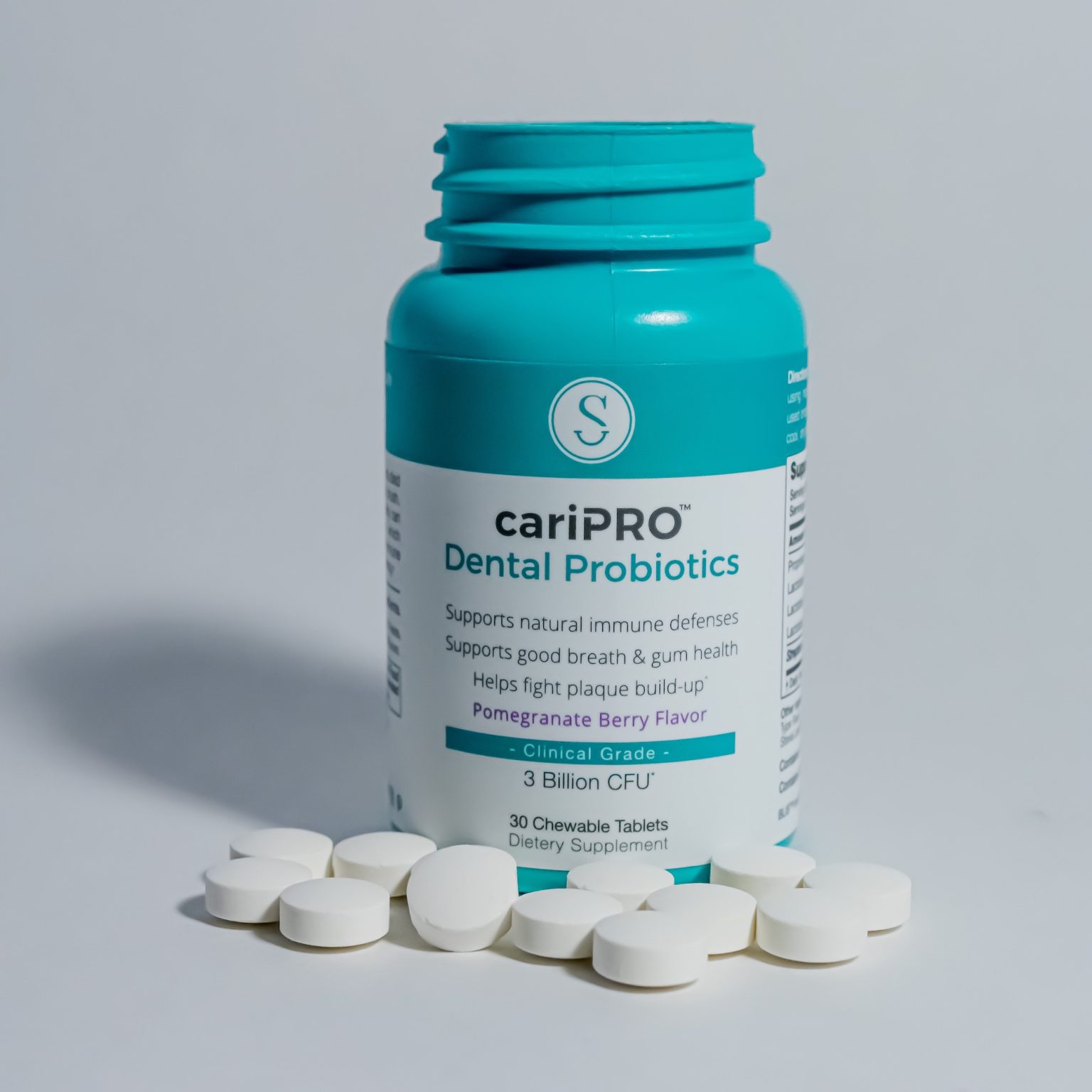
Best Oral Probiotics for Maintaining a Balanced Oral Microbiome
Maintaining a balanced oral microbiome is crucial for overall oral and systemic health. An imbalance, often termed dysbiosis, can contribute to a range of oral diseases, including gingivitis, periodontitis, caries, and halitosis. While meticulous oral hygiene practices are paramount, emerging research highlights the potential of oral probiotics to bolster the beneficial bacteria within the oral cavity, thereby promoting a healthy equilibrium. This article delves into the selection and application of oral probiotics for optimal oral microbiome maintenance.
Understanding the Oral Microbiome and its Importance
The human oral cavity is a complex ecosystem harboring a diverse community of microorganisms, including bacteria, archaea, fungi, and viruses. This intricate microbial community, collectively known as the oral microbiome, plays a significant role in maintaining oral health. A balanced microbiome is characterized by a harmonious coexistence of beneficial and potentially harmful microorganisms, with the beneficial species outnumbering and suppressing the pathogenic ones. This delicate balance is essential for various functions, including:
- Protection against pathogens: Beneficial bacteria compete with harmful bacteria for nutrients and space, preventing colonization and infection.
- Immune system modulation: The oral microbiome interacts with the immune system, influencing its development and response to pathogens.
- Nutrient metabolism: Certain bacteria participate in the metabolism of nutrients, contributing to overall health.
- Maintenance of oral tissue integrity: A balanced microbiome contributes to the health and integrity of the gums, teeth, and other oral tissues.
Dysbiosis, or an imbalance in the oral microbiome, can result from various factors, including poor oral hygiene, dietary habits, smoking, stress, and systemic diseases. This imbalance can lead to an overgrowth of pathogenic bacteria, increasing the risk of oral diseases. The consequences of an unbalanced oral microbiome extend beyond the oral cavity; accumulating evidence suggests a link between oral dysbiosis and systemic conditions such as cardiovascular disease, diabetes, and rheumatoid arthritis.
The Role of Oral Probiotics in Restoring Microbial Balance
Oral probiotics are live microorganisms that, when administered in adequate amounts, confer a health benefit on the host. They work by various mechanisms to restore and maintain a balanced oral microbiome. These mechanisms include:
- Competitive exclusion: Probiotic bacteria compete with pathogenic bacteria for nutrients and adhesion sites on the tooth surface and oral mucosa, thus limiting their growth and colonization.
- Production of antimicrobial substances: Some probiotic strains produce substances, such as bacteriocins, that inhibit the growth of pathogenic bacteria.
- Modulation of the immune response: Probiotics can modulate the immune system, reducing inflammation and enhancing the host's defense mechanisms against pathogens.
- Enhancement of salivary IgA: Some studies suggest that certain probiotics can stimulate the production of salivary IgA, an antibody that plays a crucial role in protecting against oral infections.
The efficacy of oral probiotics varies depending on several factors, including the strain of bacteria used, the dosage, and the duration of administration. It is important to note that not all probiotic strains are created equal; specific strains have been shown to be more effective than others in targeting specific oral diseases.
Selecting the Best Oral Probiotic Strains
Several probiotic strains have shown promise in maintaining oral health. However, it is crucial to select strains with robust scientific evidence supporting their efficacy and safety. Some of the most commonly studied and promising oral probiotic strains include:
- Lactobacillus reuteri: This strain has demonstrated efficacy in reducing gingivitis and improving periodontal health. It exhibits strong anti-inflammatory properties and inhibits the growth of several periodontal pathogens.
- Lactobacillus salivarius: This strain is a naturally occurring inhabitant of the oral cavity and has shown promising results in reducing plaque formation and gingivitis. Its ability to produce bacteriocins contributes to its antimicrobial activity.
- Streptococcus salivarius K12: This strain has demonstrated efficacy in reducing halitosis by inhibiting the growth of volatile sulfur compounds-producing bacteria. It also exhibits anti-inflammatory properties.
- Weissella cibaria: This strain has demonstrated promising results in reducing plaque accumulation and gingivitis. It possesses antimicrobial activity against several oral pathogens.
The optimal selection of probiotic strains often depends on the specific oral health concerns. For instance, individuals with gingivitis might benefit from strains with strong anti-inflammatory properties, while those with halitosis might benefit from strains that inhibit volatile sulfur compound-producing bacteria. It is advisable to consult with a dentist or other healthcare professional to determine the most appropriate probiotic strain for individual needs.
Formulations and Administration of Oral Probiotics
Oral probiotics are available in various formulations, including lozenges, tablets, capsules, and mouthwashes. The choice of formulation often depends on individual preferences and the specific needs of the patient. Lozenges and tablets offer prolonged contact with the oral mucosa, facilitating colonization of the probiotic bacteria. Mouthwashes provide a broader coverage of the oral cavity but may have a shorter duration of action. Capsules and tablets, while convenient, may not provide the same level of direct contact as lozenges or mouthwashes.
The recommended dosage and duration of treatment vary depending on the specific probiotic strain and the indication. It is crucial to follow the manufacturer's instructions carefully and consult with a healthcare professional before initiating oral probiotic therapy. While generally considered safe, some individuals may experience mild side effects such as nausea, bloating, or gas. These side effects are typically transient and resolve spontaneously.
Future Directions and Research
The field of oral probiotics is rapidly evolving, with ongoing research exploring new strains and formulations. Future research will likely focus on:
- Identifying novel probiotic strains: Research is ongoing to discover new probiotic strains with superior efficacy and safety profiles.
- Developing personalized probiotic therapies: The composition of the oral microbiome is highly individualized. Future research aims to develop personalized probiotic therapies tailored to the unique needs of each individual.
- Investigating synergistic effects of probiotics with other therapies: Combining probiotics with other therapies, such as professional cleaning and antimicrobial agents, may enhance their effectiveness.
- Understanding the mechanisms of action: Further research is needed to elucidate the precise mechanisms by which oral probiotics exert their beneficial effects.
In conclusion, oral probiotics offer a promising adjunct to traditional oral hygiene practices in maintaining a balanced oral microbiome. While further research is warranted to fully understand their efficacy and optimize their application, the accumulating evidence suggests that carefully selected oral probiotics can play a significant role in preventing and managing various oral diseases, ultimately contributing to improved overall health and well-being. It is crucial to consult with a healthcare professional before initiating any probiotic therapy to ensure its safety and appropriateness.


No comments:
Post a Comment
Note: Only a member of this blog may post a comment.