


The Role of Probiotics in Supporting Oral Hygiene for Older Adults
Maintaining optimal oral health is crucial for older adults, impacting not only their quality of life but also their overall well-being. Age-related changes in the oral microbiome, coupled with decreased saliva production and weakened immune systems, make seniors particularly vulnerable to oral diseases like gingivitis, periodontitis, and oral candidiasis. This vulnerability often translates into increased discomfort, difficulty eating, and even systemic health complications. Fortunately, emerging research highlights the potential of probioticsâ€"live microorganisms that confer a health benefit when administered in adequate amountsâ€"to bolster oral hygiene strategies for this vulnerable population.
Understanding the Oral Microbiome and Age-Related Changes
The oral cavity teems with a diverse community of bacteria, fungi, and virusesâ€"the oral microbiome. A balanced microbiome is essential for maintaining oral health. However, aging significantly alters this delicate ecosystem. Decreased saliva production, a common age-related phenomenon known as xerostomia, reduces the natural cleansing and buffering capacity of the mouth, creating an environment conducive to pathogenic bacteria. Weakened immune responses also leave older adults more susceptible to infections. These changes can lead to an overgrowth of harmful bacteria, disrupting the microbial balance and promoting the development of oral diseases.
The Promise of Probiotics in Oral Health
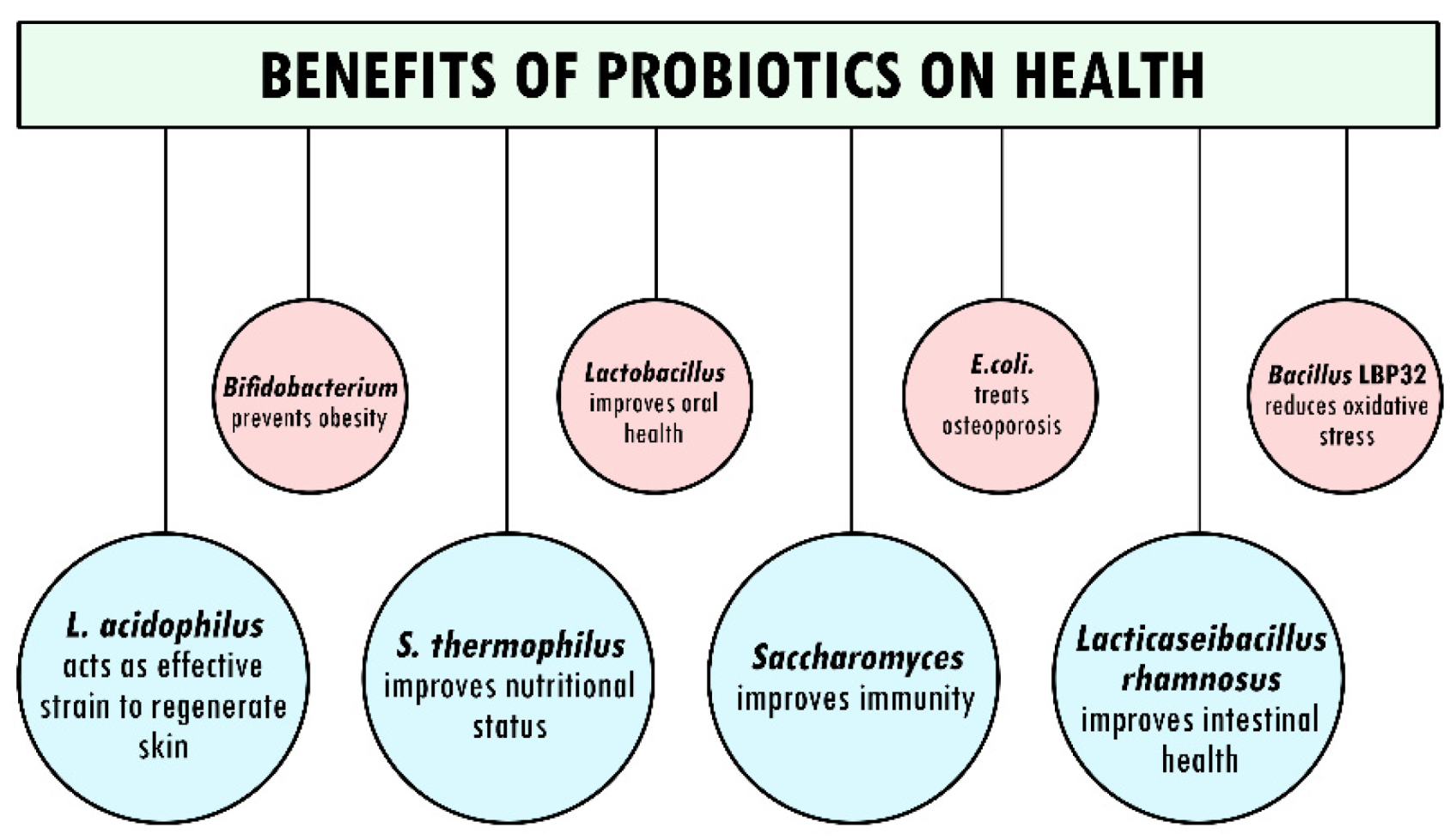
Probiotics offer a novel approach to support oral hygiene in older adults by modulating the composition and activity of the oral microbiome. Specific probiotic strains, such as Lactobacillus and Streptococcus species, have demonstrated promising effects in preclinical and clinical studies. These beneficial bacteria can compete with harmful pathogens for nutrients and space, thereby preventing their colonization and reducing the risk of infection. Moreover, some probiotics produce substances that inhibit the growth of harmful bacteria, further contributing to a healthy oral environment.
Mechanisms of Action
The beneficial effects of probiotics in oral health stem from several mechanisms:
- Competitive exclusion: Probiotics outcompete harmful bacteria for binding sites on the teeth and oral mucosa.
- Production of antimicrobial substances: Certain probiotics produce compounds like bacteriocins that inhibit the growth of pathogens.
- Modulation of the immune response: Probiotics can stimulate the immune system to better combat oral infections.
- Improved salivary flow: Some studies suggest that certain probiotics may help stimulate saliva production, mitigating the effects of xerostomia.
Probiotic Delivery Methods and Considerations
Probiotics can be delivered in various forms, including lozenges, mouthwashes, chewing gums, and even toothpaste. The choice of delivery method depends on factors such as patient preference, compliance, and the specific probiotic strain. It's crucial to note that not all probiotic strains are created equal; the efficacy of a probiotic in improving oral health is highly strain-specific. Therefore, choosing products with well-documented evidence of efficacy is paramount.
Future Directions and Conclusion
While promising, further research is needed to fully elucidate the role of probiotics in maintaining oral health in older adults. Larger, well-designed clinical trials are needed to confirm the efficacy of specific probiotic strains and delivery methods. Personalized approaches that consider individual variations in the oral microbiome may be crucial for optimizing the benefits of probiotic interventions. Despite these uncertainties, the potential of probiotics to complement conventional oral hygiene practices and improve oral health outcomes in older adults is undeniable. They represent a valuable addition to the toolkit for promoting healthy aging and improving the overall quality of life for this increasingly significant population.


No comments:
Post a Comment
Note: Only a member of this blog may post a comment.