


).jpg)
Unlocking Fresh Breath: A Guide to a Happy Oral Microbiome
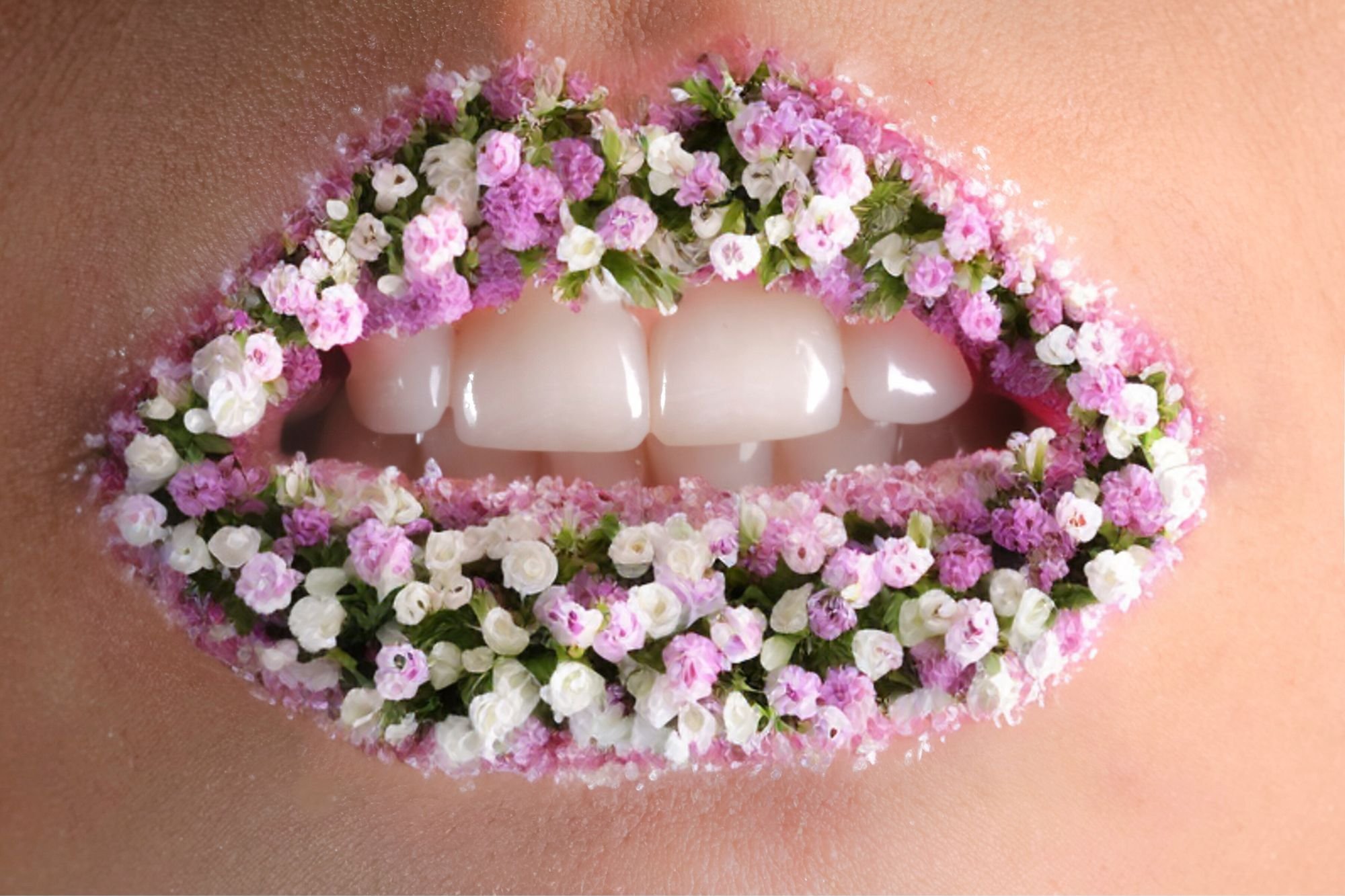
Hey there! Let's talk about something we all want: fresh breath. But it's not just about masking bad breath with mints; it's about nurturing the amazing ecosystem living in your mouth â€" your oral microbiome. Think of it like a tiny garden in your mouth, and just like any garden, it needs the right care to thrive. A healthy, balanced oral microbiome means fresh breath, healthy gums, and a generally happier mouth. So, let's dive in and learn how to support those little microbial buddies!Understanding Your Oral Microbiome: It's a Jungle In There!
Your mouth is teeming with life! Hundreds of different types of bacteria, fungi, and viruses call your mouth home. Some are good guys, helping keep things balanced and fighting off the baddies. Others… well, let's just say they're not so great. These "bad" bacteria are often the culprits behind bad breath (halitosis), gum disease, and other oral health problems. It's all about finding that sweet spot â€" a diverse and balanced community where the good guys outnumber the bad.The Good, the Bad, and the… Smelly?
The "good" bacteria help break down food particles, produce beneficial compounds, and compete with the bad bacteria for resources. The "bad" bacteria, on the other hand, produce volatile sulfur compounds (VSCs), the main cause of bad breath. They thrive on leftover food particles, especially proteins, creating those unpleasant odors. Think of it like leaving dirty dishes in the sink â€" eventually, it's going to smell.Nurturing Your Oral Microbiome for a Fresh-Breathing Oasis
So, how do we cultivate this thriving, fresh-smelling oral garden? It's all about creating an environment where the good bacteria flourish and the bad bacteria struggle to survive.Brushing and Flossing: The Cornerstones of Oral Hygiene
This might sound obvious, but it's crucial. Brushing twice a day (morning and night) and flossing once a day removes food particles and plaque, preventing the bad bacteria from feasting and creating those smelly VSCs. Use a fluoride toothpaste â€" fluoride strengthens your teeth and helps prevent cavities, indirectly supporting your overall oral health.Choosing the Right Toothbrush and Technique
Don't underestimate the importance of a good toothbrush! Choose a soft-bristled brush to avoid damaging your gums. And brush gently but thoroughly, paying attention to the gum line where plaque loves to accumulate. Consider an electric toothbrush; many studies show they can be more effective than manual brushing.Tongue Cleaning: Don't Forget the Back!
Your tongue is a breeding ground for bacteria, too! Using a tongue scraper or gently brushing your tongue (from back to front) can remove bacteria and help eliminate bad breath. Just be gentle to avoid gagging.Hydration is Key!
Drinking plenty of water throughout the day helps wash away food particles and bacteria, keeping your mouth clean and preventing dryness. Dry mouth (xerostomia) is a breeding ground for bad bacteria, so staying hydrated is a simple but powerful strategy.Diet Plays a Big Role! What you eat directly impacts your oral microbiome. A balanced diet rich in fruits, vegetables, and whole grains provides the nutrients your body needs to support overall health, including oral health. Limit sugary and processed foods, as they feed the bad bacteria and contribute to plaque buildup. Probiotics: Friendly Bacteria to the Rescue!
Just like probiotics in your gut, some research suggests that probiotics for your mouth can help balance the oral microbiome. These are “good†bacteria that can compete with the harmful bacteria for resources. Look for mouthwashes or toothpastes containing probiotics, but remember to consult your dentist before making any major changes to your oral hygiene routine. Mindful Snacking!
If you do snack between meals, opt for healthier choices like fruits or vegetables. These are less likely to stick to your teeth compared to sugary snacks or processed foods. Regular Dental Checkups: The Professional Touch
Regular visits to your dentist are essential for maintaining optimal oral health. Professional cleanings remove plaque and tartar that you can't reach yourself, keeping your microbiome balanced. Your dentist can also detect any potential problems early on, preventing more serious issues from developing. Addressing Specific Bad Breath Causes
Sometimes, bad breath isn't just about the oral microbiome. Certain medical conditions, medications, and lifestyle habits can also contribute. Medical Conditions
Some medical conditions, such as diabetes, chronic acid reflux, and sinus infections, can affect breath odor. If you suspect a medical condition might be causing your bad breath, consult your doctor. Medications
Certain medications can cause dry mouth, creating a breeding ground for bad breath. Talk to your doctor or pharmacist if you suspect your medication might be contributing to your bad breath. Lifestyle Factors
Smoking and excessive alcohol consumption are well-known contributors to bad breath. Quitting smoking and moderating alcohol intake can significantly improve your breath and overall health. When to Seek Professional Help
While these tips can significantly improve your breath, persistent bad breath could indicate an underlying issue. If you've tried these strategies and are still struggling with bad breath, consult your dentist or doctor. They can help identify any underlying medical conditions or other factors contributing to the problem. Don't suffer in silence! Frequently Asked Questions
Q: How often should I replace my toothbrush?
A: It's generally recommended to replace your toothbrush every 3-4 months, or sooner if the bristles are frayed.
Q: Are mouthwashes necessary?
A: While mouthwash can supplement brushing and flossing, it shouldn't replace them. Choose an alcohol-free mouthwash to avoid drying out your mouth.
Q: Can chewing gum help with bad breath?
A: Sugar-free chewing gum can help stimulate saliva production, which aids in cleaning your mouth. However, it shouldn't be a replacement for brushing and flossing.
Q: My breath still smells bad even after brushing and flossing. What should I do?
A: Persistent bad breath could be a sign of an underlying issue. Schedule an appointment with your dentist or doctor to rule out any medical problems.
Q: What are some natural remedies for bad breath?
A: Some people find that incorporating certain foods like parsley, mint, and fennel into their diet helps freshen breath naturally. However, these are only supplemental and do not replace proper oral hygiene practices.
Remember, fresh breath isn't just about smelling good; it's a sign of a healthy mouth and overall well-being. By taking care of your oral microbiome, you're investing in your long-term health. So go forth and nurture that amazing little garden in your mouth!


No comments:
Post a Comment
Note: Only a member of this blog may post a comment.